 Skip to content

Using Flooring to Create Multifunctional Spaces in Nursing Homes: A Design Revolution 🏠
When I first walked into a modern nursing home last year, I was struck by something unexpected – the floors weren’t just functional surfaces, but thoughtful design elements that seemed to guide residents through different activities and experiences. Gone were the days of sterile, uniform flooring throughout entire facilities. Instead, I witnessed how strategic flooring choices were transforming nursing homes into vibrant, multifunctional spaces that truly felt like home.
The concept of using flooring to create multifunctional spaces in nursing homes represents a significant shift in senior care design philosophy. It’s about more than just choosing durable materials; it’s about creating environments that support independence, encourage social interaction, and provide clear visual cues for residents with varying cognitive abilities. Let’s explore how this innovative approach is revolutionizing senior living facilities across the country. ✨
The Psychology Behind Flooring Design in Senior Care
Understanding the psychological impact of flooring choices is crucial when designing nursing home environments. Research consistently shows that visual cues from flooring can significantly influence behavior, mood, and cognitive function in elderly residents. Different textures, colors, and patterns don’t just serve aesthetic purposes – they create subconscious boundaries and encourage specific activities.
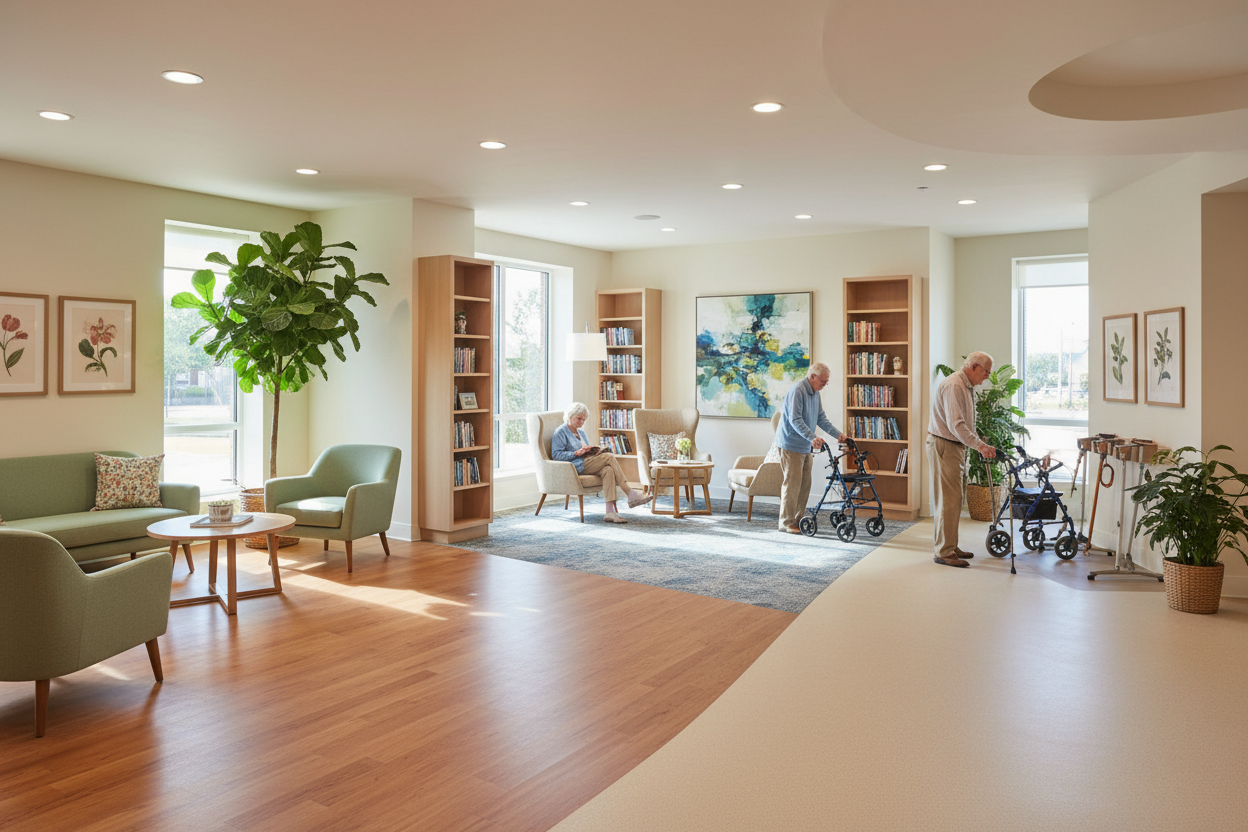
For residents with dementia or Alzheimer’s disease, flooring transitions serve as gentle wayfinding tools. A change from carpet to hardwood might signal the transition from a quiet reading area to a more active social space. These visual cues become increasingly important as cognitive abilities change, helping residents navigate their environment with greater confidence and independence.
The emotional response to different flooring materials also plays a vital role. Warm wood tones in dining areas can stimulate appetite and encourage social interaction, while soft carpeting in bedroom wings promotes feelings of comfort and security. It’s fascinating how something as fundamental as the surface beneath our feet can influence our daily experiences so profoundly.
Strategic Zone Creation Through Flooring Materials
Creating distinct zones within nursing homes using flooring materials requires careful planning and understanding of resident needs. Each area serves specific purposes, and the flooring should support these functions while maintaining safety and accessibility standards.
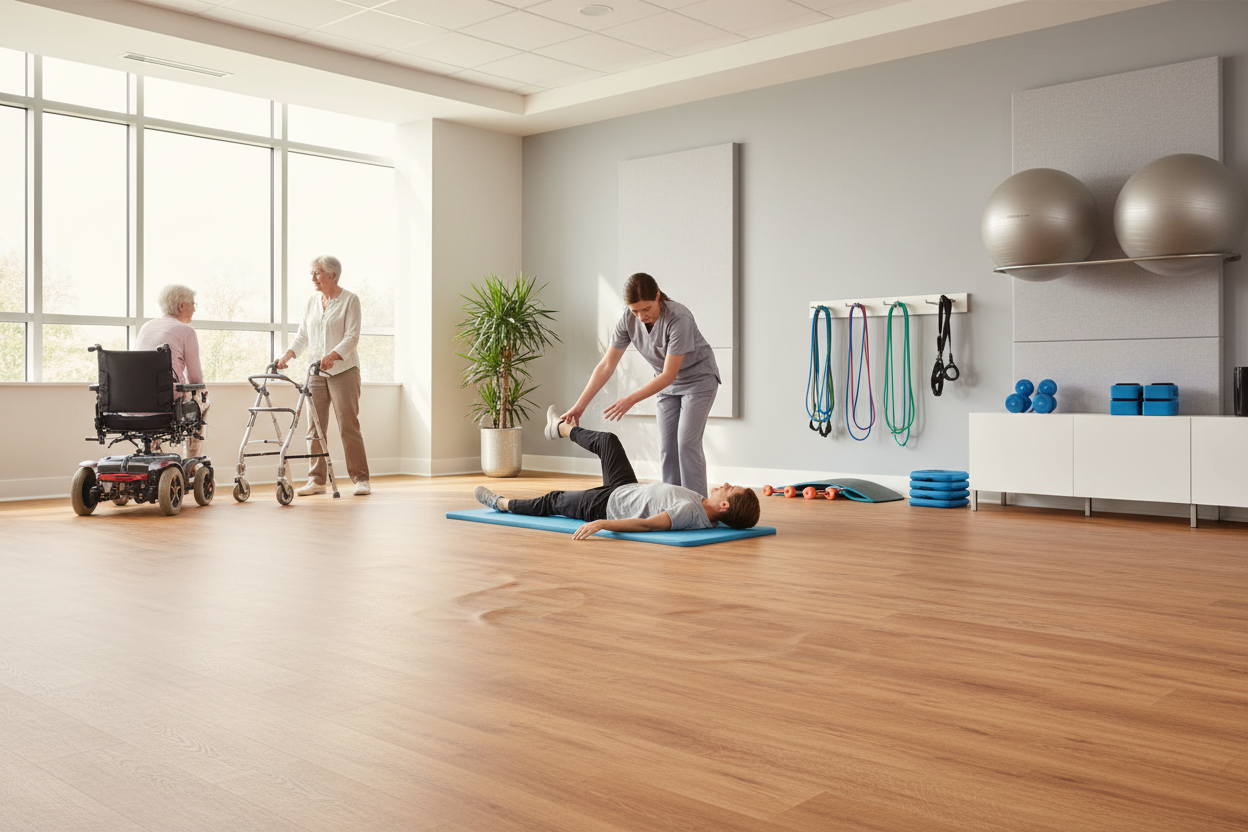
Activity zones benefit tremendously from resilient flooring materials like luxury vinyl tile or rubber flooring. These surfaces can withstand the movement of wheelchairs, walkers, and exercise equipment while providing the cushioning needed for physical therapy sessions. The beauty of modern resilient flooring lies in its versatility – you can achieve the warm appearance of hardwood or the elegant look of stone while maintaining the practical benefits of synthetic materials.
Social areas, such as lobbies and common rooms, often feature a combination of materials. Hard surfaces like polished concrete or ceramic tile work well in high-traffic areas, while area rugs or carpet tiles can define seating arrangements and create intimate conversation spaces. This layered approach allows for easy maintenance while providing visual interest and acoustic benefits. 🎯
Dining spaces require special consideration, as spills are inevitable and hygiene is paramount. Seamless flooring options like epoxy or polished concrete provide easy cleanup while maintaining an attractive appearance. Some facilities are incorporating decorative elements like embedded logos or patterns that add personality without compromising functionality.
Safety Considerations and Accessibility Standards
Safety remains the top priority when selecting flooring for multifunctional nursing home spaces. The Americans with Disabilities Act (ADA) provides clear guidelines for accessibility, but going beyond minimum requirements often results in better outcomes for residents.
Slip resistance becomes critical in areas where water exposure is likely, such as near beverage stations or in therapy pools. Textured surfaces or specialized coatings can provide the necessary traction without creating barriers for wheelchairs or walkers. It’s a delicate balance between safety and mobility that requires expertise in both materials science and senior care needs.
Transition strips between different flooring materials must be carefully planned to prevent tripping hazards. Modern solutions include beveled edges, contrasting colors to improve visibility, and materials that meet ADA height requirements. Some facilities are eliminating transitions altogether by using flexible materials that can adapt to different functional requirements within the same space.
Fall prevention extends beyond surface texture to include considerations like glare reduction and color contrast. Highly polished surfaces that create glare can be disorienting for residents with vision impairments, while insufficient contrast between floor and wall colors can make navigation difficult. The goal is creating environments that support confident movement throughout the facility. 🛡️
Innovative Flooring Solutions for Modern Senior Living
The flooring industry has responded to the unique needs of senior living facilities with innovative products that combine functionality with aesthetic appeal. Smart flooring technologies are beginning to emerge, including surfaces embedded with sensors that can detect falls or monitor resident movement patterns.
Antimicrobial flooring treatments have become increasingly popular, especially following the COVID-19 pandemic. These specialized coatings help reduce the spread of bacteria and viruses while maintaining the appearance and performance characteristics of traditional flooring materials. For nursing homes, where infection control is paramount, these innovations represent significant advances in resident safety.
Modular flooring systems offer unprecedented flexibility for creating multifunctional spaces. Carpet tiles, for example, can be easily reconfigured to accommodate changing needs or replaced individually when damaged. This approach reduces long-term maintenance costs while allowing facilities to adapt their environments as resident populations and care philosophies evolve.
Biophilic design elements are also finding their way into nursing home flooring. Nature-inspired patterns and textures can provide psychological benefits while maintaining practical performance. Some facilities are incorporating actual natural materials like bamboo or cork, which offer sustainability benefits alongside their aesthetic and functional properties. 🌿
Cost-Effective Implementation Strategies
Implementing a comprehensive flooring strategy for multifunctional nursing home spaces doesn’t have to break the budget. Phased approaches allow facilities to upgrade different areas over time, spreading costs while immediately improving resident experiences in priority zones.
Focusing on high-impact areas first often provides the best return on investment. Entrance lobbies, dining rooms, and primary activity spaces typically offer the greatest opportunity to demonstrate the benefits of strategic flooring choices. Success in these areas can build support for expanding the approach throughout the facility.
Partnering with flooring manufacturers and contractors who understand healthcare environments can result in significant cost savings. Many companies offer extended warranties and maintenance programs specifically designed for senior living facilities. These partnerships often include training for facility maintenance staff, ensuring that investments in quality flooring are protected over time.
Grant opportunities and tax incentives may be available for facilities implementing accessibility improvements or sustainable design elements. Researching these options before beginning major flooring projects can help offset initial costs while supporting broader organizational goals. 💰
Maintenance and Longevity Considerations
The long-term success of multifunctional flooring strategies depends heavily on proper maintenance and realistic expectations for material longevity. Different areas of nursing homes experience varying levels of wear, requiring tailored maintenance approaches for optimal performance.
High-traffic zones need flooring materials that can withstand constant use while maintaining their appearance. Commercial-grade luxury vinyl tile and rubber flooring often provide the best balance of durability and aesthetics in these applications. Regular maintenance schedules should account for the specific requirements of each material type and usage pattern.
Staff training plays a crucial role in maintaining flooring investments. Proper cleaning techniques, appropriate products, and preventive maintenance schedules can significantly extend the life of flooring materials. Many facilities find that investing in staff education pays dividends in reduced replacement costs and improved resident satisfaction.
Establishing relationships with reliable maintenance contractors ensures that specialized flooring systems receive appropriate care. Some materials require specific cleaning products or techniques that may be beyond the capabilities of in-house maintenance staff. Planning for these ongoing costs should be part of the initial flooring selection process. 🔧
Future Trends in Nursing Home Flooring Design
The future of nursing home flooring design promises even more innovative solutions for creating multifunctional spaces. Digital printing technologies are enabling incredibly realistic wood and stone patterns on resilient materials, while maintaining the performance characteristics needed for healthcare environments.
Integration with building automation systems represents another exciting frontier. Flooring materials that can change color or pattern in response to different activities or times of day could provide even more sophisticated wayfinding and mood enhancement capabilities. While these technologies are still emerging, early adopters are already exploring their potential applications.
Sustainability considerations are driving development of new materials and manufacturing processes. Recycled content, renewable resources, and end-of-life recyclability are becoming standard features rather than premium options. For nursing homes committed to environmental responsibility, these advances offer opportunities to align flooring choices with broader organizational values.
The integration of health monitoring capabilities into flooring systems could revolutionize how nursing homes approach resident care. Pressure-sensitive surfaces that can detect changes in gait patterns or identify fall risks represent the convergence of materials science and healthcare technology. While still in development, these innovations suggest exciting possibilities for the future of senior care environments. 🚀
Conclusion: Transforming Senior Care Through Thoughtful Design
The strategic use of flooring to create multifunctional spaces in nursing homes represents more than just an interior design trend – it’s a fundamental shift toward person-centered care environments. By thoughtfully selecting and implementing flooring solutions that support different activities, enhance safety, and provide clear wayfinding cues, facilities can create spaces that truly feel like home while meeting the complex needs of their residents.
The benefits extend beyond aesthetics to include improved resident satisfaction, enhanced safety outcomes, and operational efficiencies that can positively impact the entire care community. As the senior living industry continues to evolve, those facilities that embrace innovative flooring strategies will be better positioned to provide exceptional care in environments that support dignity, independence, and quality of life.
Whether you’re planning a new facility or considering renovations to an existing nursing home, remember that every step your residents take should be supported by surfaces that enhance their daily experiences. The floor beneath their feet might just be the foundation for a more vibrant, functional, and welcoming home. 🏡
Call Us Now!