 Skip to content

The Role of Flooring in Promoting Social Engagement: How Your Floor Choice Shapes Human Connections 🏠
Have you ever walked into a room and immediately felt drawn to gather with others, or conversely, felt like keeping to yourself? While we often attribute these feelings to lighting, furniture arrangement, or décor, there’s an unsung hero quietly influencing our social behaviors from beneath our feet: the flooring. The surfaces we walk on play a surprisingly significant role in how we interact with one another, making flooring choices far more impactful than most people realize.
From bustling coffee shops with their warm hardwood floors that encourage lingering conversations to sleek office spaces with polished concrete that promotes dynamic collaboration, flooring materials and designs have the power to either foster connection or create barriers. Understanding this relationship between flooring and social engagement can transform how we design our homes, workplaces, and community spaces. 🤝
The Psychology Behind Flooring and Human Behavior
The connection between our physical environment and psychological responses runs deeper than surface-level aesthetics. Flooring, as the foundation of any space, sends subconscious signals that influence how comfortable we feel, how long we want to stay, and how openly we interact with others.
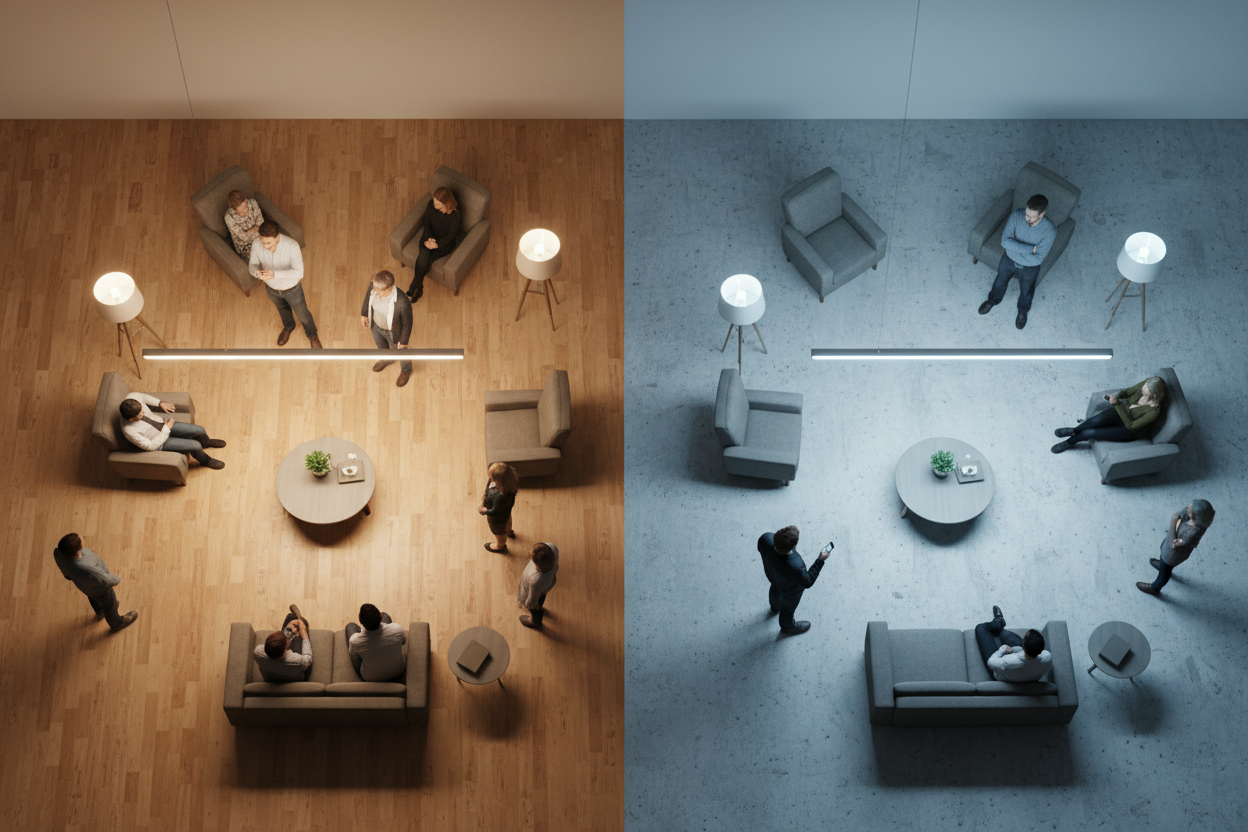
Research in environmental psychology suggests that certain textures, colors, and materials can trigger specific emotional responses. Warm wood tones, for instance, often evoke feelings of comfort and familiarity, making people more likely to relax and engage in meaningful conversations. Meanwhile, cool, hard surfaces like polished stone might create a more formal atmosphere that encourages brief, purposeful interactions rather than casual socializing.
The acoustic properties of different flooring materials also play a crucial role in social dynamics. Hard surfaces that amplify sound can create an energetic, buzzing atmosphere perfect for lively gatherings, while sound-absorbing materials like carpet can foster intimate conversations by reducing background noise. It’s fascinating how something as simple as the material beneath our feet can shape the entire social fabric of a space! 🎵
Creating Gathering Spaces Through Strategic Flooring Choices
When designing spaces meant to bring people together, flooring selection becomes a powerful tool for encouraging social interaction. The key lies in understanding how different materials and patterns can define spaces, guide movement, and create psychological comfort zones.
Open-plan areas benefit tremendously from flooring that creates visual continuity while subtly defining different zones. A seamless hardwood floor, for example, can make a living room feel more spacious and welcoming, encouraging family members and guests to move freely between conversation areas. The natural grain patterns in wood also add visual interest without being overwhelming, creating a backdrop that supports rather than competes with social interaction.
Texture plays an equally important role in creating inviting gathering spaces. Slightly textured surfaces provide just enough tactile interest to feel engaging without being distracting. Think about how a beautifully aged brick floor in a farmhouse kitchen naturally draws people to gather around the island, or how a richly textured area rug can define a cozy conversation nook within a larger room.
Color temperature in flooring significantly impacts the mood of social spaces. Warmer tones – honey oak, rich walnut, or warm-toned tile – tend to make spaces feel more intimate and welcoming. These colors psychologically “warm up” a room, making people feel more comfortable settling in for extended conversations. Cooler tones, while beautiful, might inadvertently create a more formal atmosphere that could inhibit casual social interaction. 🌡️
Commercial Spaces: Designing for Community Connection
The business world has long recognized the power of flooring in shaping customer behavior and employee interaction. Successful commercial spaces use flooring strategically to create environments that encourage the type of social engagement they want to foster.
Coffee shops and restaurants often choose materials that strike a balance between durability and warmth. Reclaimed wood flooring has become increasingly popular because it tells a story while creating an atmosphere that encourages customers to linger, chat with friends, or even strike up conversations with strangers. The slight imperfections and character marks in reclaimed materials make spaces feel more human and approachable.
Retail environments use flooring to guide customer flow and create social shopping experiences. Wide, smooth pathways encourage browsing and casual encounters between shoppers, while textured transition zones can signal different departments or experiences. Some innovative retailers even use interactive flooring elements – like LED-embedded surfaces or unique patterns – to create talking points that naturally lead to social interaction.
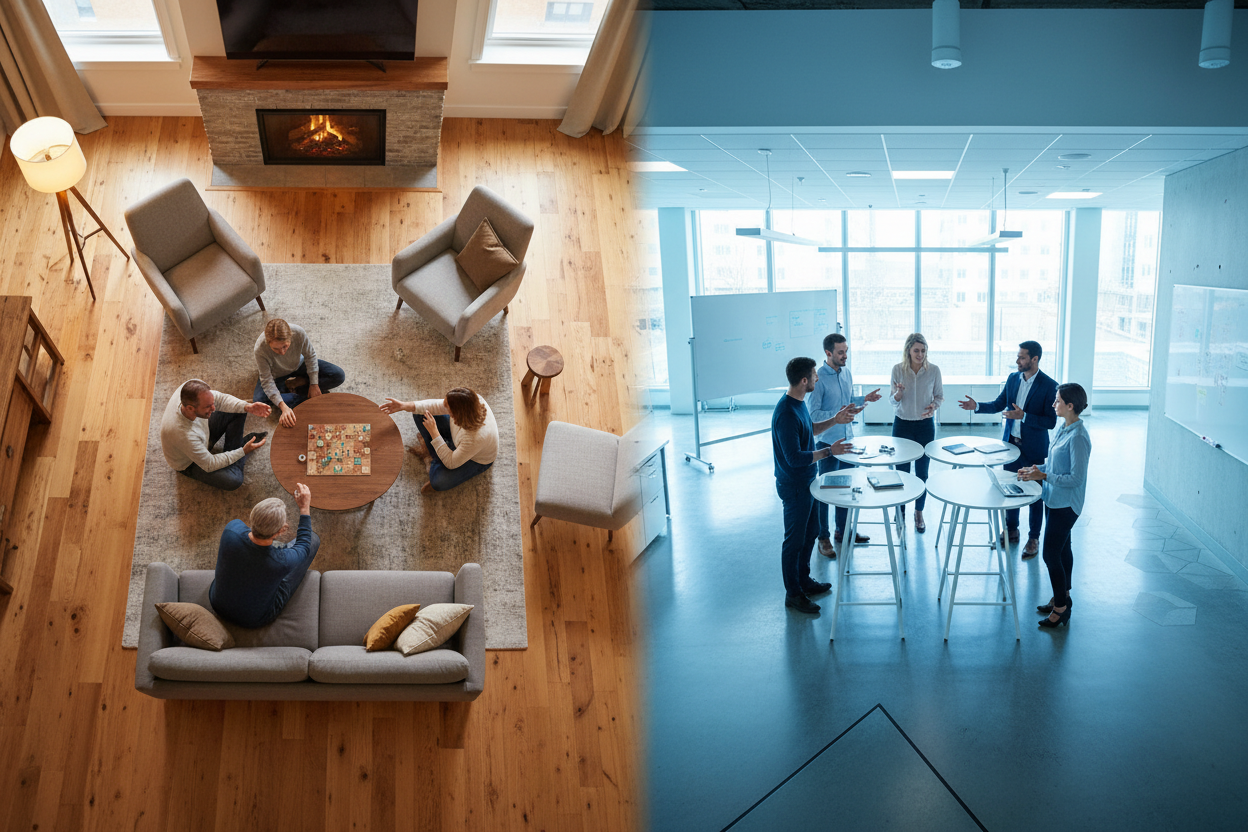
Modern office design has embraced the concept of activity-based working, where different flooring materials help define various collaboration zones. Soft carpet tiles in quiet focus areas give way to polished concrete in dynamic brainstorming spaces, with each surface change subtly communicating the intended use and social expectations of the space. 🏢
Residential Flooring Solutions for Better Social Interaction
In our homes, flooring choices can either support family bonding and entertaining or inadvertently create barriers to connection. The most socially engaging residential spaces often feature flooring that feels both beautiful and approachable – materials that family members and guests feel comfortable walking on, sitting on, or even playing on.
Large-format tiles or wide-plank hardwood can make smaller homes feel more spacious and connected, encouraging family members to use common areas more frequently. When children feel comfortable playing on the floor, parents naturally spend more time in those spaces, creating opportunities for spontaneous family interactions.
The maintenance requirements of different flooring materials also impact social behavior. High-maintenance surfaces might make homeowners hesitant to host gatherings or allow children to play freely, while durable, easy-care options encourage more relaxed, frequent use of social spaces. Luxury vinyl plank flooring, for example, offers the warm appearance of hardwood with the durability needed for active family life.
Multi-level homes benefit from consistent flooring choices that create visual flow between floors, encouraging family members to move freely between levels rather than retreating to separate spaces. When the flooring feels cohesive throughout the home, it psychologically reinforces the sense of the house as one connected, shared environment. 🏡
Cultural Considerations in Flooring and Social Spaces
Different cultures have varying relationships with flooring and social interaction, making cultural sensitivity an important consideration in flooring design. In many Asian cultures, for example, removing shoes when entering homes is customary, making the comfort and cleanliness of flooring materials particularly important for social gatherings.
Some cultures traditionally gather on floor-level seating, requiring flooring materials that are comfortable for extended sitting. Heated floors, soft area rugs, or naturally warm materials like cork can make these cultural practices more comfortable and encourage traditional social customs.
Religious and ceremonial considerations also influence flooring choices in community spaces. Materials that are easy to clean, comfortable for kneeling or sitting, and acoustically appropriate for group activities help create environments where cultural and spiritual communities can gather comfortably. 🌍
Future Trends: Technology-Enhanced Social Flooring
As technology continues to evolve, we’re seeing exciting innovations in flooring that actively promote social engagement. Interactive LED floors that respond to movement can create shared experiences and natural conversation starters. Smart flooring systems that adjust temperature in different zones can guide people toward gathering areas during social events.
Sustainable flooring materials are also becoming conversation pieces themselves. Floors made from recycled materials, rapidly renewable resources, or local materials often spark discussions about environmental responsibility and community values, creating natural opportunities for social connection around shared values.
The integration of wireless charging capabilities and other tech features into flooring systems is creating new possibilities for social spaces where people can gather comfortably without worrying about device batteries, encouraging longer, more engaged conversations. ⚡
Conclusion: Building Connections from the Ground Up
The role of flooring in promoting social engagement extends far beyond mere aesthetics or functionality. Every material choice, color selection, and design decision sends subtle but powerful messages about how a space should be used and how people should interact within it. From the warm hardwood that invites family game nights to the polished concrete that energizes collaborative workspaces, flooring serves as the foundation for human connection.
As we continue to understand the psychological and social impacts of our built environment, flooring emerges as one of the most influential yet underappreciated elements in creating spaces that bring people together. Whether you’re designing a new home, renovating a community center, or planning a commercial space, remember that the surface beneath your feet has the power to shape the connections above it.
By choosing flooring materials and designs that align with your social goals – whether that’s encouraging family bonding, fostering workplace collaboration, or creating welcoming community spaces – you’re literally building a foundation for meaningful human interaction. In a world where digital connections often replace face-to-face encounters, thoughtful flooring choices can help create physical spaces that draw people together and encourage the authentic social engagement we all crave. 💫
Call Us Now!