 Skip to content

The Role of Flooring in Enhancing Resident Quality of Life: How Your Floor Choice Transforms Daily Living 🏠
When was the last time you really thought about your floors? Most of us take them for granted, walking across them dozens of times daily without considering their profound impact on our well-being. Yet the flooring beneath our feet plays a surprisingly crucial role in shaping our quality of life, influencing everything from our physical comfort to our mental state and overall home satisfaction.
Whether you’re a homeowner planning a renovation, a property manager seeking to improve tenant satisfaction, or simply someone curious about home design’s psychological effects, understanding flooring’s role in resident quality of life can transform how you view your living space. Let’s explore how this foundational element of interior design creates ripple effects throughout our daily experiences.
The Foundation of Comfort: Physical Health and Safety Benefits 💪
Your choice of flooring directly impacts your physical well-being in ways you might not realize. Hard surfaces like concrete or poorly cushioned floors can create stress on joints, leading to foot, knee, and back pain over time. This is particularly important for residents who spend significant time at home, whether due to remote work, retirement, or mobility limitations.
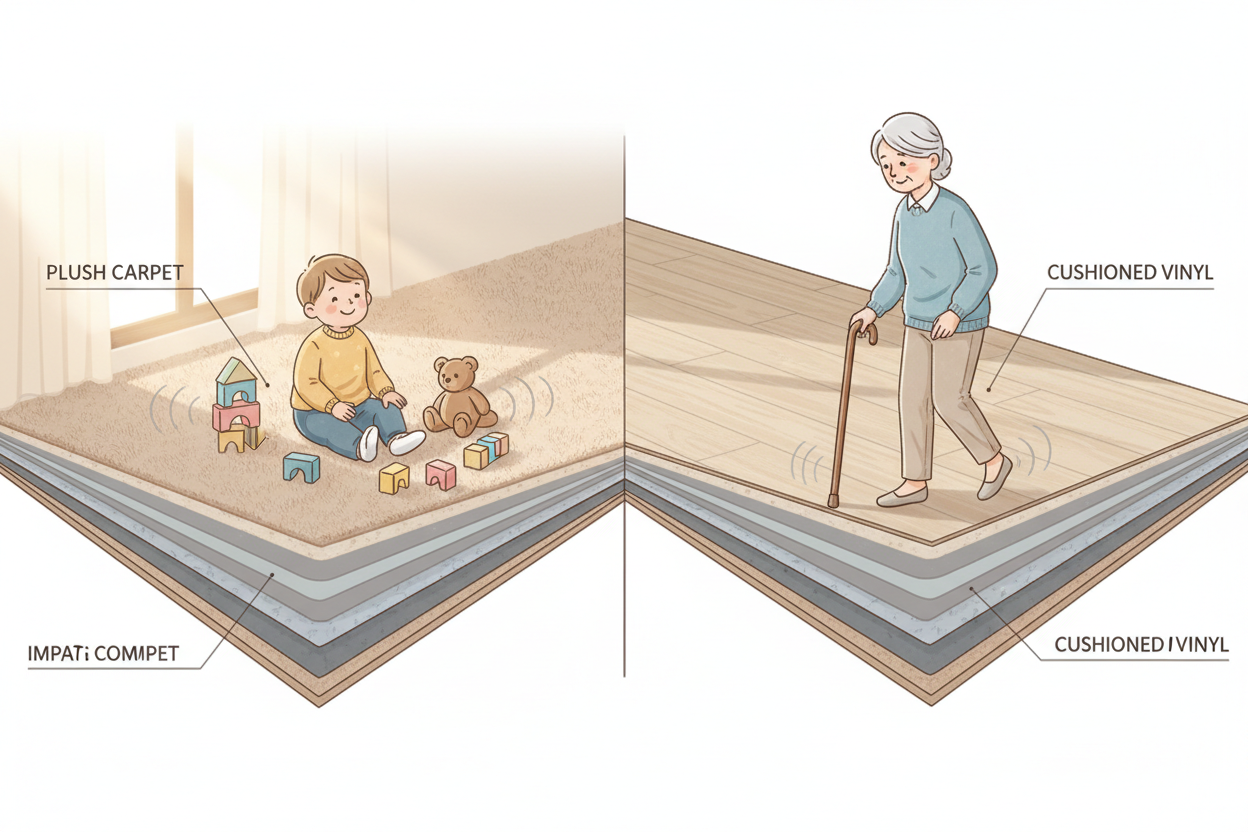
Carpet and cushioned vinyl flooring provide natural shock absorption, reducing the impact on joints during walking and standing. For families with young children who spend considerable time playing on the floor, softer surfaces offer protection against falls and injuries. Meanwhile, seniors benefit enormously from flooring that provides stability without being slippery, helping prevent dangerous falls that could dramatically impact their independence.
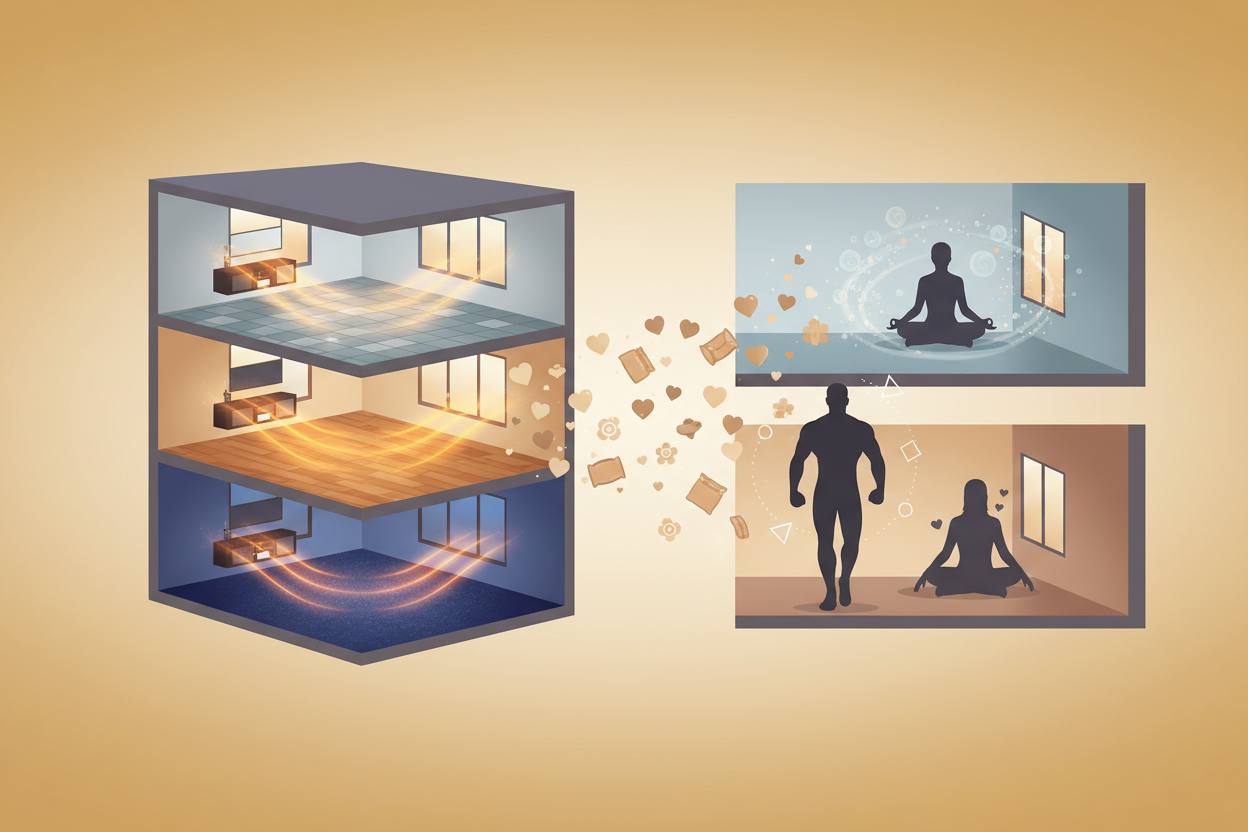
Temperature regulation is another often-overlooked aspect of flooring’s impact on comfort. Cold tile or hardwood floors can make entire rooms feel chilly, forcing residents to wear slippers constantly or avoid certain areas during colder months. Conversely, carpet and luxury vinyl provide natural insulation, maintaining comfortable foot temperatures year-round and contributing to overall energy efficiency.
Breathing Easy: Indoor Air Quality and Health Considerations 🌿
The relationship between flooring and indoor air quality significantly affects resident health and comfort. Traditional carpeting, while comfortable underfoot, can trap allergens, dust mites, pet dander, and other airborne particles that may trigger respiratory issues or allergies. For residents with asthma or sensitivities, this can mean the difference between comfortable breathing and constant discomfort.
Modern flooring solutions address these concerns through innovative materials and treatments. Low-VOC (Volatile Organic Compound) flooring options minimize chemical emissions that can cause headaches, respiratory irritation, or other health issues. Hard surface floors like properly sealed hardwood, tile, or luxury vinyl are easier to clean thoroughly, reducing allergen accumulation and creating healthier indoor environments.
However, the key lies in finding balance. While hard surfaces may be better for air quality, they can increase noise levels and reduce comfort. Many residents find success with area rugs that can be regularly cleaned or replaced, providing comfort zones while maintaining overall air quality benefits.
The Psychology of Flooring: Mental Well-being and Emotional Comfort 🧠
Flooring choices profoundly impact our psychological state and emotional well-being. The visual appeal of beautiful floors creates a sense of pride in one’s living space, contributing to overall life satisfaction. When residents feel good about their homes, it positively affects their mood, stress levels, and general outlook on life.
Natural materials like hardwood create connections to nature that can be psychologically soothing. The warmth and organic patterns of wood floors often make spaces feel more welcoming and less sterile than synthetic alternatives. Similarly, natural stone tiles can evoke feelings of luxury and permanence that enhance residents’ sense of stability and success.
Color psychology plays a significant role in how flooring affects mood. Light-colored floors can make spaces feel larger and more open, potentially reducing feelings of claustrophobia or stress in smaller homes. Darker floors can create cozy, intimate atmospheres that promote relaxation and comfort. The key is matching flooring choices to residents’ lifestyle preferences and psychological needs.
Sound Solutions: Acoustic Comfort in Modern Living 🔇
In our increasingly connected world, noise pollution has become a significant quality of life concern. Flooring plays a crucial role in managing acoustic comfort within homes and between units in multi-family buildings. Hard surfaces can amplify footsteps, dropped objects, and general movement, creating stress for both the residents and their neighbors.
Carpet naturally absorbs sound, making it an excellent choice for bedrooms, family rooms, and other areas where acoustic comfort is prioritized. For residents who prefer hard surfaces, underlayment systems can significantly reduce sound transmission while maintaining the aesthetic and practical benefits of tile, hardwood, or luxury vinyl.
The acoustic properties of flooring become particularly important in apartments, condominiums, and townhomes where noise transfer between units can strain neighbor relationships and reduce overall living satisfaction. Property managers increasingly recognize that investing in quality flooring with good acoustic properties leads to fewer noise complaints and higher tenant retention rates.
Maintenance and Lifestyle: Reducing Daily Stress Through Smart Choices 🧹
The maintenance requirements of different flooring types significantly impact daily stress levels and time management. Residents with busy lifestyles, young families, or pets often find that high-maintenance flooring creates ongoing anxiety and consumes valuable time that could be spent on more enjoyable activities.
Modern luxury vinyl and laminate flooring options offer the appearance of natural materials with dramatically reduced maintenance requirements. These solutions allow residents to enjoy beautiful floors without the stress of constant upkeep, contributing to better work-life balance and reduced household management burden.
For families with children, stain-resistant and easy-to-clean flooring options provide peace of mind that accidents won’t result in permanent damage or expensive repairs. This psychological comfort allows families to actually use and enjoy their living spaces rather than constantly worrying about protection and maintenance.
Economic Impact: Long-term Value and Financial Well-being 💰
Quality flooring represents a significant investment that affects residents’ financial well-being both immediately and long-term. Durable flooring choices reduce replacement costs and maintenance expenses over time, allowing residents to allocate household budgets toward other quality of life improvements like travel, hobbies, or family activities.
For homeowners, flooring choices directly impact property values and marketability. Well-chosen, quality flooring can increase home values and reduce time on market when selling, providing financial security and flexibility for major life changes. This economic stability contributes significantly to overall quality of life and future planning confidence.
Property managers and landlords also benefit from strategic flooring investments through reduced turnover costs, fewer maintenance calls, and the ability to command higher rents for units with attractive, durable flooring. These benefits ultimately create better living situations for tenants through improved property conditions and more stable rental relationships.
Accessibility and Aging in Place: Flooring for Life Transitions 👥
As populations age and awareness of accessibility needs grows, flooring choices become crucial for supporting residents through various life stages. Smooth, stable surfaces with appropriate slip resistance help ensure that homes remain safe and accessible as mobility needs change over time.
Transition strips between different flooring types can create tripping hazards for those using mobility aids, making consistent flooring throughout main living areas an important consideration for long-term residence planning. Low-profile transitions and barrier-free designs support aging in place while maintaining aesthetic appeal.
The psychological benefits of being able to navigate one’s home safely and confidently cannot be overstated. When residents feel secure in their mobility throughout their living space, it supports independence, confidence, and overall mental health during challenging life transitions.
Conclusion: Stepping Forward with Informed Flooring Decisions ✨
The flooring beneath our feet serves as far more than a functional surface – it’s a foundational element that influences our physical health, mental well-being, social relationships, and overall quality of life. From the morning comfort of warm floors against bare feet to the evening peace of mind that comes from easy cleanup after family activities, flooring choices create countless small moments that collectively shape our daily experiences.
Understanding these connections empowers residents, property managers, and design professionals to make informed decisions that prioritize long-term satisfaction over short-term cost savings. Whether you’re planning a renovation, selecting finishes for a new home, or simply gaining appreciation for your current living space, recognizing flooring’s role in quality of life helps create environments that truly support human flourishing.
The next time you walk across your floors, take a moment to appreciate this often-overlooked element of home design. Consider how your flooring choices support your lifestyle, health, and happiness – and remember that beneath every great living experience lies a foundation that makes it all possible. Your floors aren’t just supporting your furniture; they’re supporting your life. 🏡
Call Us Now!