 Skip to content

The Role of Flooring in Enhancing Dining Experiences: How the Ground Beneath Your Feet Shapes Your Meal 🍽️
When you step into your favorite restaurant, what’s the first thing you notice? Perhaps it’s the tantalizing aroma wafting from the kitchen, or maybe the warm lighting that sets the mood. But here’s something you might not consciously consider: the flooring beneath your feet is quietly working to enhance your entire dining experience. From the moment you walk through the door, the floor is communicating with your senses, influencing everything from acoustics to ambiance, and even affecting how long you’ll want to linger over dessert.
As someone who’s spent countless evenings in restaurants ranging from cozy neighborhood bistros to upscale fine dining establishments, I’ve come to appreciate how the right flooring choice can make or break the atmosphere. Whether you’re a restaurant owner looking to create the perfect environment for your guests, or simply a food enthusiast curious about the hidden elements that make dining out so memorable, understanding the role of flooring in restaurant design is fascinating and surprisingly important.
The Psychology of Flooring: How Materials Influence Mood and Behavior 🧠
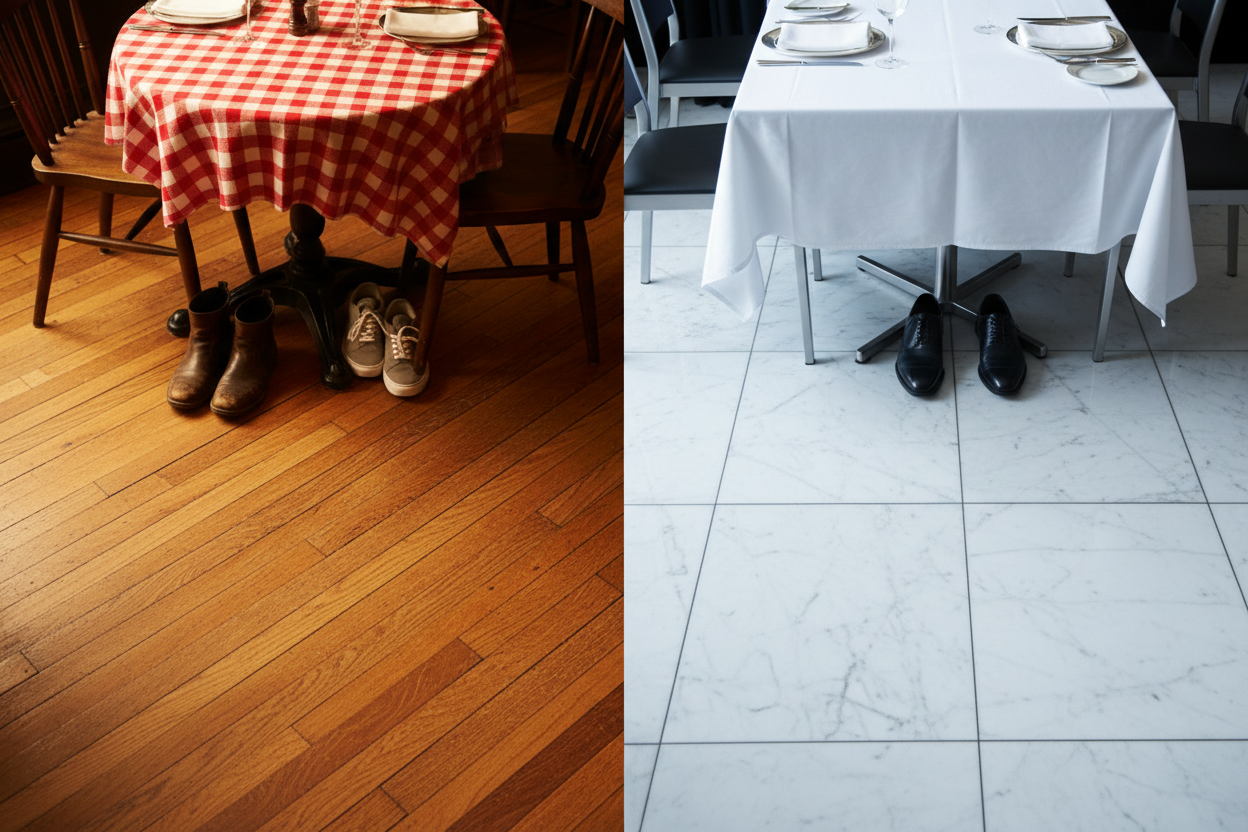
The flooring material you choose sends subtle psychological signals to diners before they even sit down. Hardwood floors, for instance, evoke feelings of warmth and tradition, making them perfect for family-style restaurants or establishments aiming for a homey atmosphere. I remember dining at a charming Italian trattoria where the worn wooden floors creaked gently underfoot, adding to the authentic, lived-in feeling that made the experience feel like eating at a friend’s home.
On the other hand, polished concrete or sleek tile can create a modern, sophisticated vibe that works beautifully in contemporary restaurants. These materials suggest cleanliness and efficiency, which can be particularly appealing in fast-casual dining environments where customers want to feel confident about hygiene standards.
Natural stone flooring brings an element of luxury and permanence to dining spaces. The cool touch and substantial feel of marble or granite underfoot can elevate the perceived value of the dining experience, making customers feel they’re somewhere special. This psychological effect often translates into guests being willing to spend more and stay longer.
Acoustic Considerations: Creating the Perfect Sound Environment 🎵
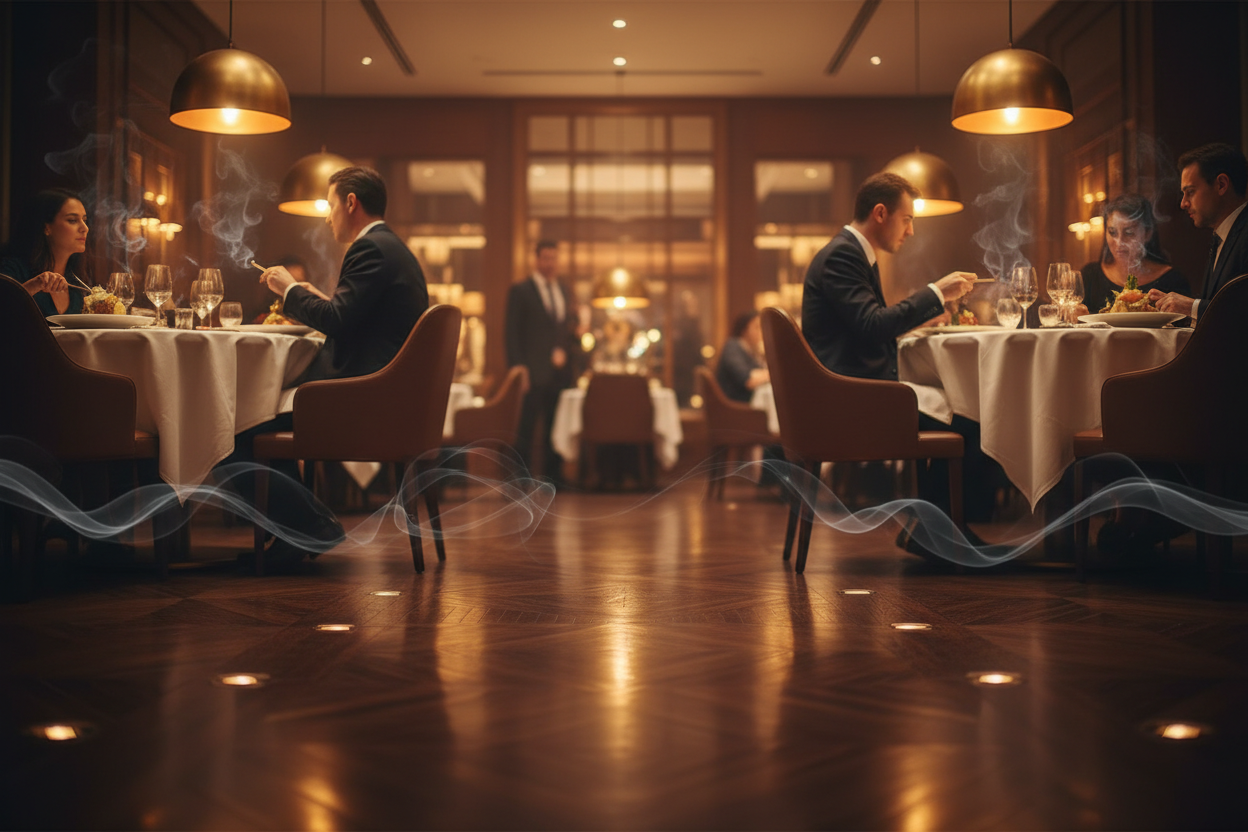
One of the most overlooked aspects of restaurant flooring is its impact on acoustics. The wrong flooring choice can turn a pleasant dinner conversation into a shouting match, while the right selection creates an environment where intimate conversations can flourish alongside the gentle buzz of a busy restaurant.
Hard surfaces like tile, stone, or polished concrete tend to amplify sound, creating a lively, energetic atmosphere that’s perfect for sports bars or trendy hotspots where a buzzing ambiance is desired. However, these same materials can become problematic in fine dining establishments where conversation is paramount.
Carpet, while less common in restaurant settings due to maintenance concerns, provides excellent sound absorption. I’ve noticed how restaurants that strategically use area rugs or carpeted sections create intimate pockets of quieter space within larger dining rooms. This allows for varied experiences within the same establishment.
Engineered solutions like cork flooring or rubber flooring with textured surfaces offer a middle ground, providing some sound absorption while maintaining the durability needed in commercial settings. These materials are becoming increasingly popular among restaurant designers who want to balance acoustic comfort with practical considerations.
Durability and Maintenance: The Practical Side of Restaurant Flooring 🛠️
While aesthetics and ambiance are crucial, restaurant flooring must also withstand the daily rigors of commercial food service. High foot traffic, spills, dropped dishes, and frequent cleaning all take their toll on flooring materials. The most beautiful floor in the world won’t enhance anyone’s dining experience if it’s stained, cracked, or worn after just a few months of service.
Porcelain tile has become a favorite among restaurant owners for good reason. It’s incredibly durable, resistant to stains and moisture, and available in designs that mimic everything from natural wood to exotic stone. I’ve seen restaurants use large-format porcelain tiles that look exactly like reclaimed hardwood, providing the aesthetic appeal of wood with the durability needed for commercial use.
Epoxy flooring systems offer another practical solution, particularly in kitchen areas or casual dining spaces. These seamless floors are easy to clean, highly resistant to chemicals and stains, and can be customized with colors or patterns to match the restaurant’s design theme.
For restaurants committed to natural materials, properly sealed concrete offers an excellent balance of durability and style. When polished and sealed correctly, concrete floors can last decades while developing a beautiful patina over time that adds character to the space.
Safety First: Non-Slip Solutions for Busy Restaurant Environments ⚠️
Restaurant floors must prioritize safety without compromising style. Wet conditions are inevitable in food service environments, whether from spilled drinks, tracked-in rain, or routine cleaning. The last thing any restaurant owner wants is a customer or staff member injured due to a slip and fall accident.
Textured surfaces provide natural slip resistance while maintaining visual appeal. Many modern tile manufacturers offer products with subtle texturing that’s virtually invisible to the eye but provides crucial traction underfoot. These surfaces feel smooth to walk on but offer the grip needed to prevent accidents.
Strategic placement of different flooring materials can also enhance safety. I’ve observed how smart restaurant designers use slightly more textured surfaces in high-risk areas like entryways and bar areas, while maintaining smoother finishes in dining areas where appearance is paramount.
Anti-slip treatments can be applied to existing floors, though it’s always better to choose appropriate materials from the start. These treatments can sometimes affect the appearance of the floor, so they should be factored into the initial design decisions rather than added as an afterthought.
Color and Pattern: Setting the Visual Tone for Your Dining Space 🎨
The color and pattern of restaurant flooring play a crucial role in establishing the overall design narrative. Light-colored floors can make spaces feel larger and more open, which is particularly beneficial for smaller restaurants or those with limited natural light. I’ve dined in compact urban restaurants where light-colored floors created an airy feeling despite the limited square footage.
Dark floors, conversely, can create a sense of intimacy and sophistication. They’re excellent at hiding minor scuffs and stains, making them practical for high-traffic establishments. However, they can also make spaces feel smaller and may require more lighting to maintain a welcoming atmosphere.
Patterned floors offer opportunities for creativity and brand expression. Geometric patterns can add visual interest and help define different areas within an open floor plan. Traditional patterns like checkerboard or herringbone can reinforce vintage or classic themes, while contemporary patterns support modern design concepts.
The key is ensuring that flooring patterns complement rather than compete with other design elements. A busy floor pattern might overwhelm a space that already features patterned wallpaper or elaborate light fixtures, while a simple floor might feel bland in a minimalist setting that needs visual interest.
Sustainability and Eco-Friendly Flooring Options 🌱
Today’s diners are increasingly conscious of environmental impact, and restaurant flooring choices can contribute to sustainability goals while enhancing the dining experience. Reclaimed wood flooring tells a story while reducing environmental impact, creating conversation pieces that add character to dining spaces.
Bamboo flooring has gained popularity as a rapidly renewable resource that offers the warmth of wood with excellent durability. Its natural antimicrobial properties make it particularly suitable for food service environments, and its unique grain pattern adds visual interest to dining spaces.
Recycled content tiles and sustainable stone options allow restaurants to make environmentally responsible choices without sacrificing style or durability. Many manufacturers now offer products made from recycled glass, reclaimed materials, or sustainably sourced stone.
Cork flooring deserves special mention as it’s harvested without harming trees, naturally antimicrobial, and provides excellent comfort underfoot. While not suitable for all restaurant concepts, it can be perfect for casual dining establishments or cafes where comfort and sustainability are priorities.
Matching Flooring to Restaurant Concepts and Cuisines 🍕
Different types of restaurants benefit from different flooring approaches, and the most successful establishments choose materials that reinforce their culinary identity and target demographic. A rustic steakhouse might feature wide-plank hardwood or stone floors that evoke a ranch or farmhouse feeling, while a sushi restaurant might opt for sleek, minimalist surfaces that reflect Japanese design principles.
Fast-casual restaurants often benefit from durable, easy-to-clean surfaces like polished concrete or large-format tiles that can handle high turnover and frequent cleaning. These materials also tend to create the energetic atmosphere that encourages quicker dining, which supports the business model.
Fine dining establishments typically choose materials that feel luxurious underfoot, such as natural stone, high-quality hardwood, or premium tile. These materials should be quiet enough to support intimate conversation while sophisticated enough to justify premium pricing.
Family restaurants need flooring that’s forgiving of spills and easy to maintain, while still feeling warm and welcoming. Luxury vinyl planks that mimic wood, sealed concrete with decorative elements, or ceramic tiles with wood-look finishes can provide the perfect balance of practicality and appeal.
Conclusion: The Foundation of Great Dining Experiences ✨
The next time you step into a restaurant, take a moment to notice the floor beneath your feet. Whether it’s the warm creak of aged hardwood that makes you feel at home, the sleek coolness of polished stone that signals sophistication, or the practical durability of well-chosen tile that lets you focus entirely on your meal, the flooring is working hard to enhance your experience.
For restaurant owners, investing in the right flooring is an investment in customer satisfaction, operational efficiency, and long-term success. The perfect floor doesn’t just look good – it sounds right, feels comfortable, performs reliably, and supports the overall dining experience you’re trying to create.
Great restaurant flooring is like a perfect supporting actor: it enhances every scene without stealing the spotlight. When chosen thoughtfully and installed properly, it becomes an invisible foundation that allows all the other elements – the food, service, and ambiance – to shine their brightest. After all, exceptional dining experiences are built from the ground up, one carefully chosen tile, plank, or stone at a time.
Call Us Now!