 Skip to content

The Role of Flooring in Creating a Sense of Community: How the Ground Beneath Our Feet Brings Us Together
Have you ever walked into a space and immediately felt welcomed? Or perhaps entered a room that somehow made you want to linger, chat with strangers, and feel part of something bigger? While we often credit lighting, furniture, or décor for these feelings, there’s an unsung hero working quietly beneath our feet: flooring. 🏠
The flooring we choose for community spaces plays a far more significant role in fostering connection and belonging than most people realize. From the warm wooden planks of a neighborhood café to the polished concrete of a modern co-working space, our flooring choices send subtle but powerful messages about inclusivity, comfort, and community values.
Understanding the Psychology of Flooring in Community Spaces
Before we dive into specific flooring types, it’s important to understand why something as seemingly mundane as what we walk on can influence our social behavior. Environmental psychology tells us that our physical surroundings directly impact our emotions, behaviors, and willingness to interact with others.
Flooring affects us on multiple sensory levels. The sound our footsteps make, the texture we feel through our shoes, and the visual warmth or coolness of the surface all contribute to our overall comfort level. When we feel physically comfortable in a space, we’re more likely to stay longer, engage in conversation, and return in the future.
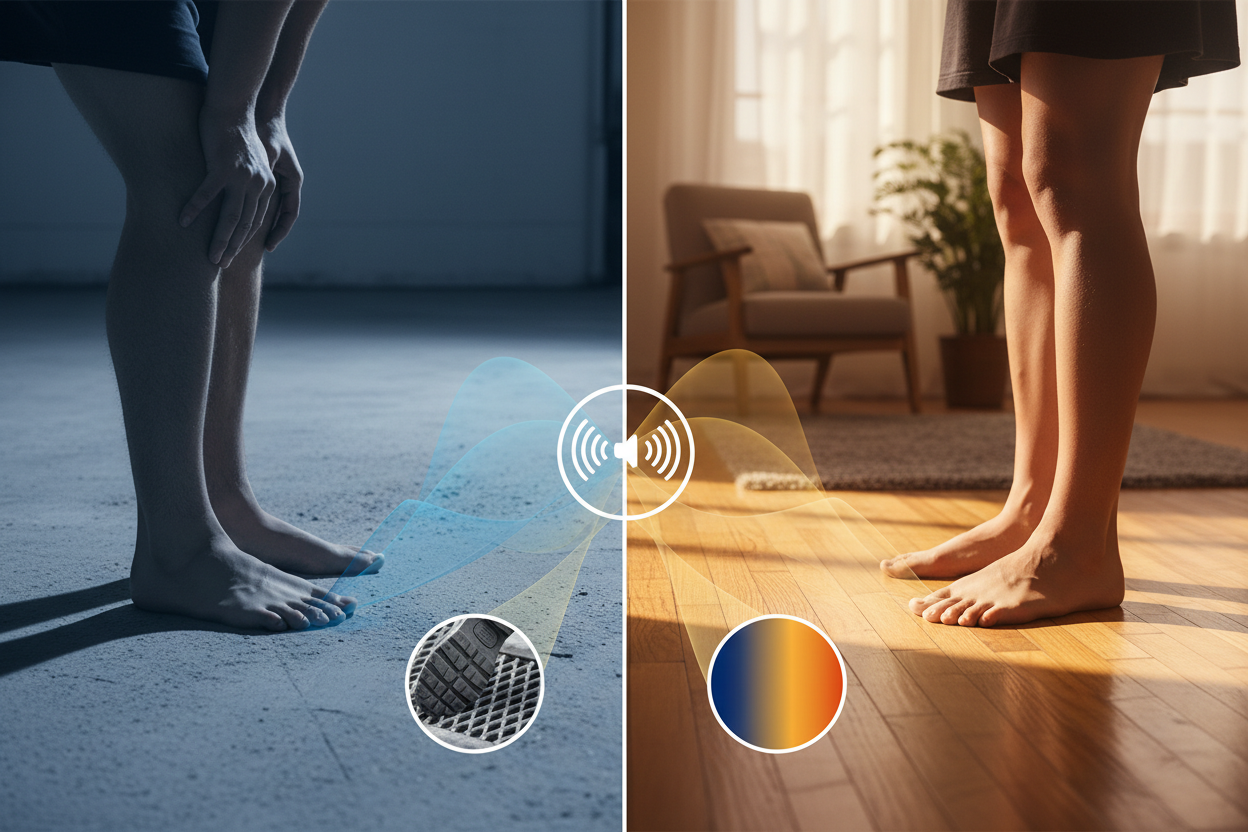
Think about it this way: would you rather spend an afternoon reading in a library with soft, sound-absorbing carpet or one with hard, echoing tile that amplifies every footstep? The answer seems obvious, yet many community spaces overlook this crucial detail. 🤔
How Different Flooring Materials Impact Community Building
Not all flooring materials are created equal when it comes to fostering community connections. Each type brings its own personality and practical considerations to a space.
Hardwood flooring remains one of the most welcoming options for community spaces. Its natural warmth and organic patterns create an inviting atmosphere that feels both sophisticated and approachable. Coffee shops with reclaimed wood floors often become neighborhood gathering spots, partly because the flooring itself suggests authenticity and craftsmanship that people want to be around.
Carpet excels in creating intimate, comfortable environments where people feel safe to share and connect. Libraries, reading nooks, and therapy centers often choose carpet because it absorbs sound and creates a cocoon-like feeling that encourages quiet conversation and reflection.
Polished concrete might seem cold at first glance, but when done thoughtfully, it can create dynamic, energetic spaces that attract creative communities. Many maker spaces and artist studios choose concrete because it’s practical and suggests a no-nonsense, collaborative environment where getting your hands dirty is not just acceptable but encouraged.
Natural stone brings an element of permanence and gravitas to community spaces. Town halls, museums, and cultural centers often feature stone flooring because it suggests stability and shared heritage – important qualities for spaces meant to serve entire communities.
The Sound Factor: How Flooring Affects Acoustic Comfort
One of the most overlooked aspects of community-building flooring is its acoustic properties. The difference between a space that encourages conversation and one that feels chaotic often comes down to sound management. 🔊
Hard surfaces like tile, concrete, or polished wood can create an energetic buzz when filled with people, but they can also become overwhelming when noise levels rise. Soft surfaces like carpet, cork, or rubber flooring absorb sound and create more intimate acoustic environments.
The key is matching the acoustic properties of your flooring to the intended use of the space. A bustling food hall might benefit from the lively energy that hard floors create, while a community center’s meeting rooms need sound-absorbing materials that allow for clear communication during discussions.
Many successful community spaces use a combination of flooring materials to create acoustic zones. For example, a community center might use carpet in quiet seating areas, hardwood in social gathering spaces, and rubber flooring in active play areas.
Creating Inclusive Spaces Through Thoughtful Flooring Choices
True community building means creating spaces that welcome everyone, regardless of age, ability, or background. Flooring plays a crucial role in accessibility and inclusion that extends far beyond simple compliance with disability guidelines.
Smooth, stable surfaces benefit not just wheelchair users but also parents with strollers, elderly community members with mobility aids, and anyone carrying heavy items. However, completely smooth surfaces can be slippery when wet, so finding the right balance of smoothness and traction is essential.
Visual contrast in flooring can help people with vision impairments navigate spaces safely while also serving as wayfinding tools for everyone. A community center might use different flooring materials to subtly define various zones – carpet for quiet areas, wood for social spaces, and rubber for active areas.
Temperature is another consideration often overlooked in flooring selection. Cold floors can be unwelcoming and uncomfortable, especially for cultures where removing shoes is customary or for children who like to sit on the floor. Radiant heating systems or naturally warm materials like wood and cork can make spaces more universally welcoming. ♿
Maintenance and Longevity: Building Community Through Shared Responsibility
The most beautiful flooring in the world won’t foster community if it’s constantly dirty, damaged, or under repair. Choosing flooring that can withstand heavy use while remaining attractive requires careful consideration of both material properties and maintenance requirements.
Interestingly, involving community members in the care and maintenance of shared spaces can actually strengthen community bonds. Many successful community gardens, neighborhood centers, and co-housing projects include flooring maintenance as part of their shared responsibility model.
When selecting flooring for community spaces, consider materials that age gracefully and develop character over time rather than simply showing wear. Hardwood that develops a patina, concrete that gains interesting stains and marks, or natural stone that weathers beautifully can become part of the space’s story and history.
Easy maintenance also means the space can be quickly cleaned and reset for different activities throughout the day, maximizing its community-building potential.
Case Studies: Successful Community Spaces and Their Flooring Choices
Let’s look at some real-world examples of how thoughtful flooring choices have contributed to successful community building.
The Seattle Central Library’s main reading room features a stunning combination of materials that create distinct zones while maintaining visual continuity. The circulation areas use durable, easy-to-clean materials that can handle heavy foot traffic, while reading areas incorporate softer, sound-absorbing surfaces that encourage quiet study and reflection.
Brooklyn’s Industry City has transformed former warehouse spaces into thriving creative communities partly through smart flooring choices. They maintained much of the original concrete flooring, which provides durability and industrial character while adding colorful epoxy accents and softer materials in social areas to create warmth and define spaces.
The High Line in New York City demonstrates how outdoor flooring can create community spaces. The elevated park uses a combination of concrete, wood, and planted areas to create varied experiences that encourage both movement and lingering, turning what could have been a simple walkway into a true community gathering space. 🌆
Budget-Friendly Approaches to Community-Building Flooring
Creating welcoming community spaces doesn’t require unlimited budgets. Some of the most successful community-building flooring solutions are surprisingly affordable when approached creatively.
Polished concrete, for example, can transform existing concrete slabs into attractive, durable surfaces at a fraction of the cost of other materials. Adding area rugs in conversation zones can provide warmth and sound absorption without the expense of wall-to-wall carpeting.
Reclaimed materials often cost less than new ones while adding character and environmental responsibility that many communities value. Salvaged wood, recycled rubber, and repurposed tiles can create unique, story-rich floors that become conversation starters themselves.
Volunteer labor can also stretch budgets significantly. Many communities have members with relevant skills who are willing to contribute time and expertise to shared projects, turning flooring installation into a community-building activity itself.
The Future of Community-Focused Flooring Design
As our understanding of environmental psychology and community building evolves, so too does flooring technology and design philosophy. Sustainable materials are becoming more accessible and affordable, allowing communities to make choices that reflect their environmental values without sacrificing performance or aesthetics.
Smart flooring systems that can change properties based on use – becoming softer for children’s activities or providing better traction when wet – may soon make it easier to create truly multi-purpose community spaces.
Biophilic design principles are also influencing flooring choices, with more communities choosing materials and patterns that connect occupants to nature, even in urban environments. 🌱
Conclusion: The Foundation of Community
While flooring might seem like a purely practical consideration, its role in creating welcoming, inclusive community spaces cannot be overstated. The materials we choose, the way they sound and feel, their accessibility and maintenance requirements – all of these factors contribute to whether a space truly serves its community-building purpose.
The next time you enter a space that makes you feel instantly welcome and connected to others, take a moment to notice what’s beneath your feet. Chances are, someone put careful thought into creating that foundation for community, understanding that the ground we share is just as important as the walls that surround us and the roof that shelters us.
Whether you’re designing a new community center, renovating a neighborhood library, or simply trying to make your own space more welcoming to others, remember that good flooring is an investment in human connection. After all, the strongest communities are built from the ground up. 🤝
Call Us Now!