 Skip to content
The Influence of Flooring on Air Quality in Senior Living Facilities
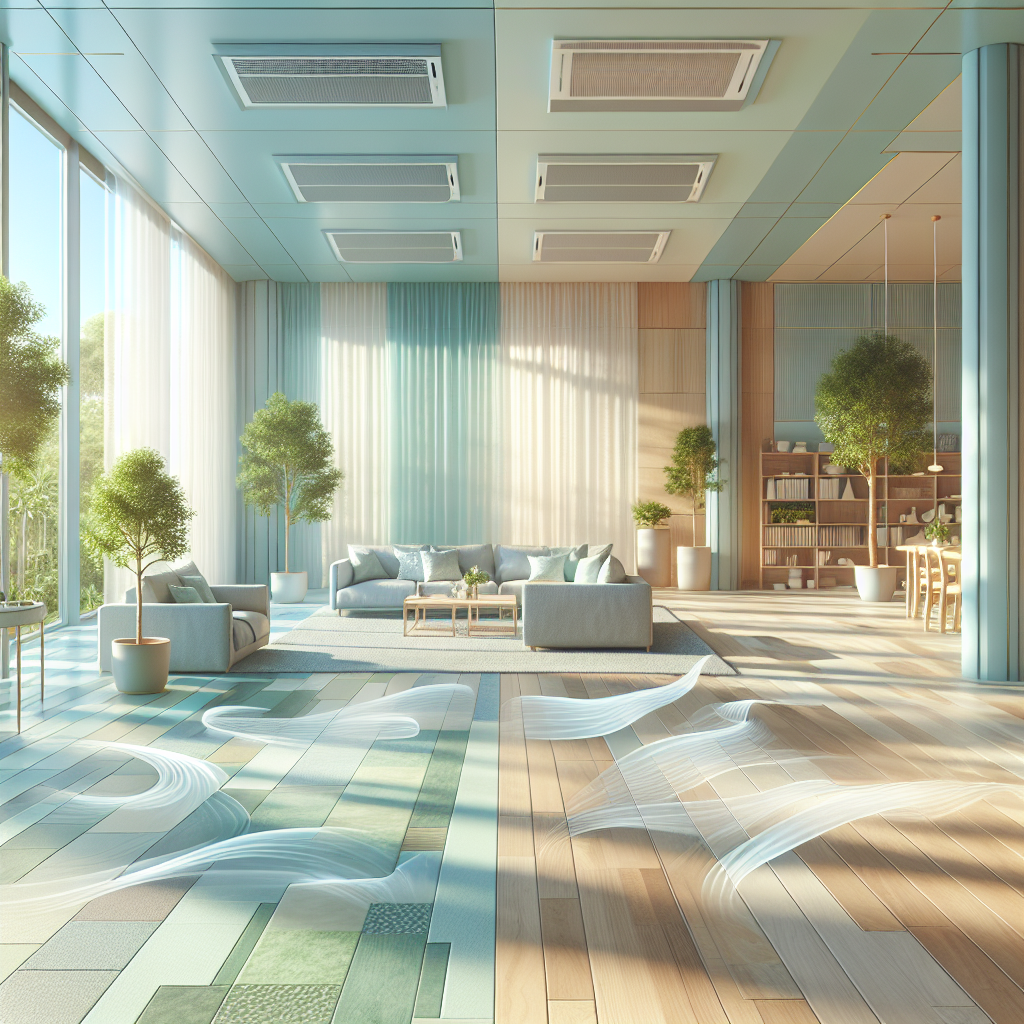
In the quest for creating a nurturing environment for our loved ones in senior living facilities, every detail matters. From the choice of furniture to the colors on the walls, each element plays a part in fostering comfort and safety. However, one often overlooked aspect is flooring. Not only does the right flooring enhance aesthetic appeal and safety, but it also significantly impacts indoor air quality—a crucial factor in senior health and well-being. 🏡
Understanding the Connection Between Flooring and Air Quality
When we think of air quality, our minds often jump to outdoor pollution or the necessity of air purifiers. Yet, indoor air quality (IAQ) is equally pivotal, especially in environments like senior living facilities where residents spend a substantial amount of time indoors. The flooring material chosen can either mitigate or exacerbate air quality issues.
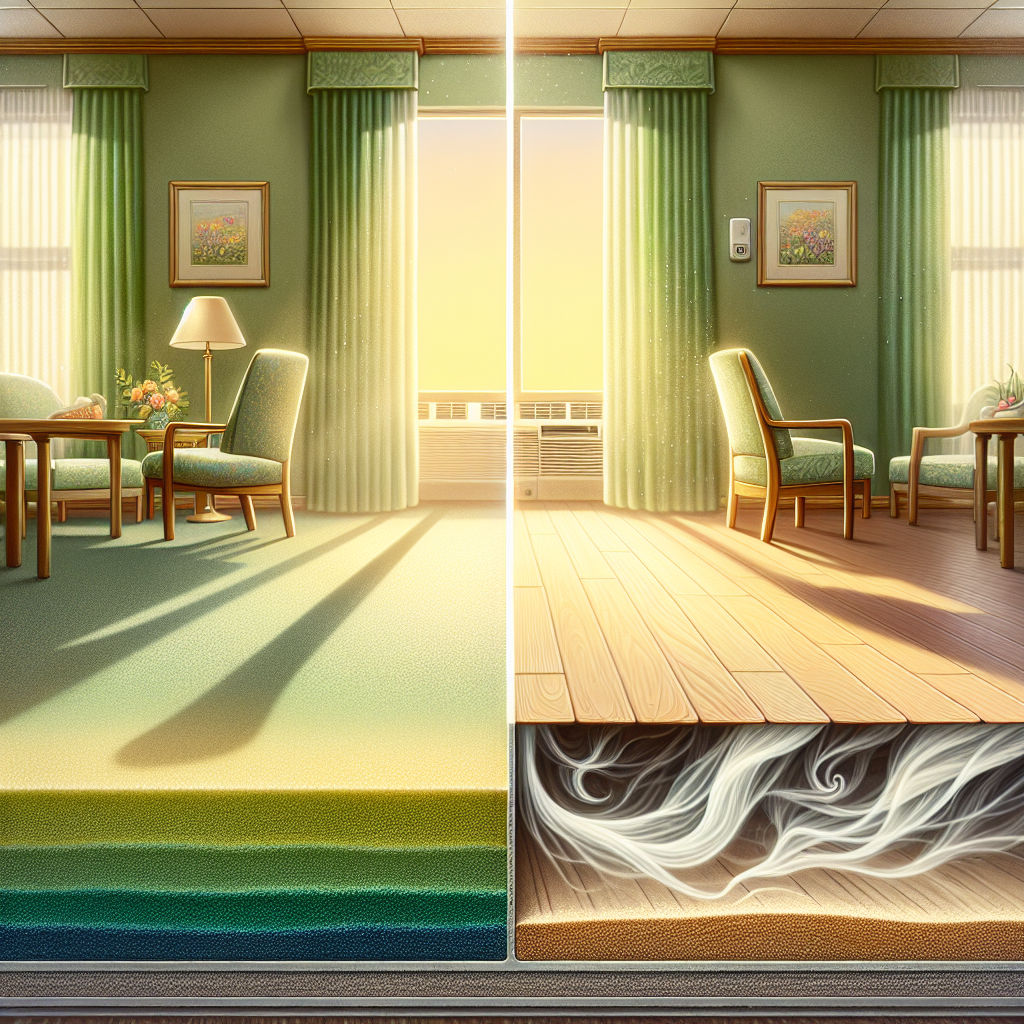
Various flooring options, such as carpets, vinyl, or hardwood, can release volatile organic compounds (VOCs) into the air. These compounds, while often invisible, can contribute to respiratory problems, allergies, and other health issues, particularly in the elderly who may already have compromised health. 🌿
Key Flooring Options and Their Impact on Air Quality
When selecting flooring for senior living facilities, it’s essential to weigh the pros and cons of each material in terms of air quality. Let’s delve into some common options:
1. Carpet
Carpets offer warmth and comfort, reducing noise and providing a cushioned surface that can minimize injury from falls. However, they can also be a magnet for dust, allergens, and VOCs, particularly if they’re made from synthetic materials or treated with chemicals. Regular cleaning and choosing low-VOC carpets can help mitigate these issues. 🧹
2. Vinyl Flooring
Vinyl is a popular choice due to its durability and ease of maintenance. However, traditional vinyl flooring can emit VOCs, especially when new. Opting for low-VOC or VOC-free vinyl products can be a healthier choice. Additionally, vinyl’s waterproof nature makes it suitable for areas prone to spills, thus reducing the chance of mold growth. 💧
3. Hardwood and Engineered Wood
Hardwood floors are a classic choice, known for their elegance and longevity. They generally emit fewer VOCs than synthetic options, particularly when finished with low-VOC stains and sealants. Engineered wood can offer similar benefits, with added stability and resistance to humidity changes. 🌳
4. Cork and Bamboo
Cork and bamboo are eco-friendly flooring options gaining popularity. Both are naturally resistant to mold and mildew, making them excellent choices for maintaining good air quality. Cork, in particular, provides a cushioned surface, adding a layer of comfort underfoot. 🌱
Best Practices for Maintaining Air Quality in Senior Facilities
Beyond selecting the right flooring, maintaining optimal air quality involves several best practices:
1. Regular Cleaning
Keeping floors clean is essential. Regular vacuuming, sweeping, and mopping can prevent the buildup of dust and allergens. Using hypoallergenic and eco-friendly cleaning products also minimizes the introduction of new pollutants. 🧼
2. Proper Ventilation
Ensuring good ventilation is crucial. This could include installing air purifiers, using exhaust fans, and keeping windows open when weather permits to allow fresh air to circulate. 🌬️
3. Routine Inspections
Frequent inspections can help identify potential issues early, such as water damage or mold growth, which can negatively impact air quality. Addressing these promptly can prevent long-term health problems for residents. 🔍
The Role of Flooring in Creating a Healthy Environment
The choice of flooring in senior living facilities goes beyond aesthetics and safety; it plays a significant role in the residents’ overall health and quality of life. By carefully selecting low-VOC materials and implementing regular maintenance practices, facilities can enhance indoor air quality and ensure a healthier environment for their residents. 🏥
Conclusion
In conclusion, flooring is a vital component of senior living facilities that directly affects air quality and, consequently, the health and comfort of the residents. By understanding the relationship between flooring materials and air quality, making informed choices, and adhering to best practices, facility managers can create a cleaner, safer, and more welcoming environment for our seniors. Let’s prioritize their well-being with every step we take—literally! 👣
Call Us Now!