 Skip to content

The Importance of Flooring in Creating a Healing Environment: How the Right Floors Transform Healthcare Spaces 🏥
When you walk into a hospital, clinic, or any healthcare facility, what’s the first thing that strikes you? While most people notice the sterile white walls or the bustling medical staff, there’s one crucial element that often goes unnoticed but plays a massive role in patient recovery and overall well-being: the flooring beneath your feet. 👣
The concept of healing environments has gained tremendous traction in recent years, with healthcare professionals and designers recognizing that physical surroundings significantly impact patient outcomes. From reducing stress levels to preventing infections, the right flooring choice can literally be the foundation of better health outcomes. Let’s dive deep into why flooring matters so much in healthcare settings and how it contributes to creating spaces that truly heal.
Understanding the Psychology of Healing Environments 🧠
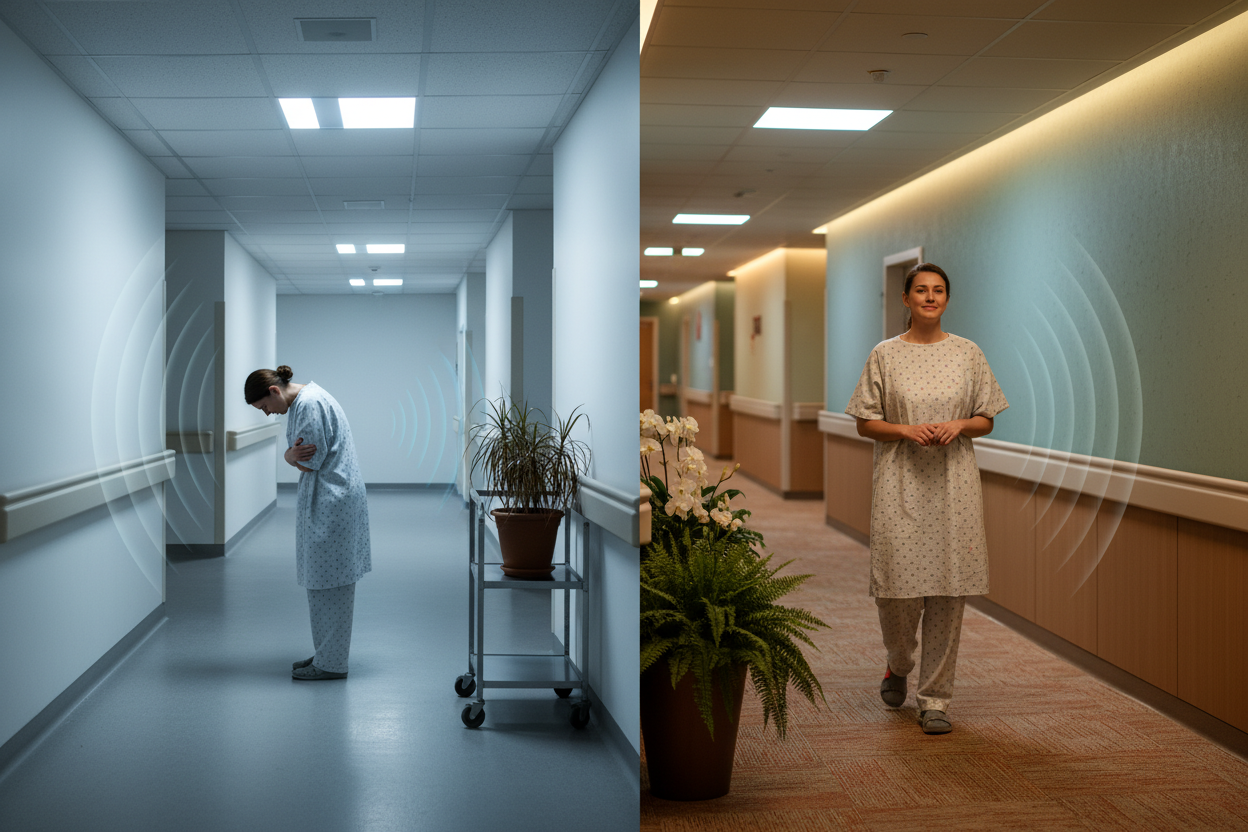
Before we explore specific flooring solutions, it’s essential to understand what makes an environment conducive to healing. Research consistently shows that patients recover faster in spaces that feel warm, welcoming, and safe rather than cold and institutional. The flooring plays a surprisingly significant role in this perception.
Think about it – when you’re feeling unwell or anxious about a medical procedure, every sensory detail matters. The sound of your footsteps, the visual appeal of the space, and even the tactile sensation underfoot all contribute to your overall comfort level. A harsh, echoing concrete floor can make a space feel unwelcoming and sterile, while warmer flooring materials can create a more residential, comforting atmosphere that promotes healing.
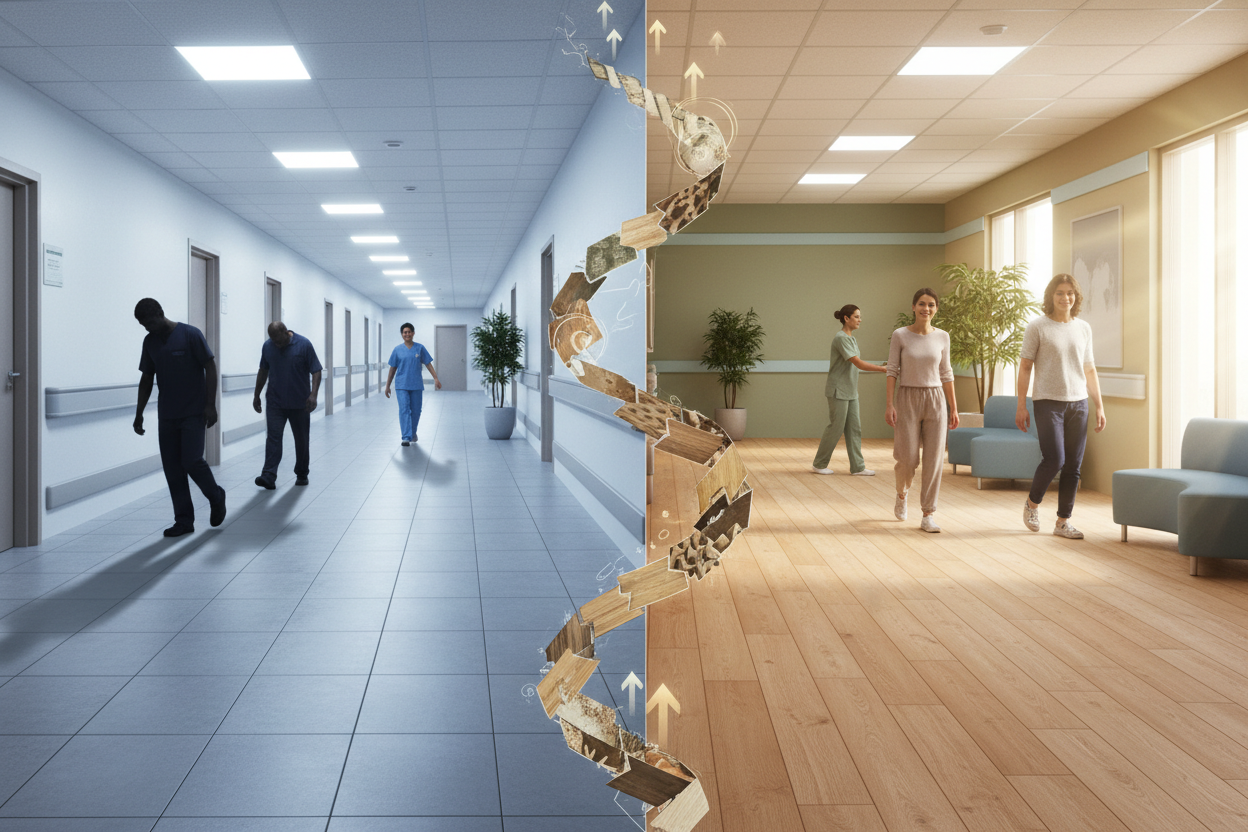
Studies have shown that patients in more aesthetically pleasing environments require less pain medication, experience shorter recovery times, and report higher satisfaction scores. The flooring, as the largest horizontal surface in any room, significantly influences these perceptions and outcomes.
Safety First: How Flooring Prevents Accidents and Injuries ⚠️
In healthcare environments, safety isn’t just important – it’s absolutely critical. Falls are among the most common accidents in hospitals and care facilities, often leading to serious injuries that can complicate existing medical conditions or create entirely new health problems.
The right flooring can dramatically reduce slip and fall incidents through several key features. Non-slip surfaces provide essential traction, even when wet from cleaning solutions or bodily fluids. Modern healthcare flooring often incorporates textured surfaces or specialized coatings that maintain grip without being difficult to clean or uncomfortable to walk on.
Additionally, proper flooring helps prevent trip hazards. Seamless installations eliminate the bumps and gaps that can catch wheelchair wheels or cause stumbling. For elderly patients or those with mobility issues, these seemingly minor details can mean the difference between a safe passage and a dangerous fall.
Cushioned flooring materials also provide impact protection. If a fall does occur, softer flooring can reduce the severity of injuries compared to hard surfaces like concrete or traditional tile. This is particularly important in areas where vulnerable patients spend time, such as physical therapy rooms or long-term care facilities.
Infection Control: The Hidden Battle Against Harmful Bacteria 🦠
Healthcare-associated infections (HAIs) affect millions of patients worldwide each year, making infection control a top priority in any medical facility. While hand hygiene and sterilization protocols get most of the attention, flooring plays a crucial but often overlooked role in preventing the spread of dangerous pathogens.
Traditional flooring materials like carpet, while comfortable and aesthetically pleasing, can harbor bacteria, viruses, and other microorganisms in their fibers. Even with regular cleaning, these materials can become reservoirs for infection-causing agents. This is why you’ll rarely see carpet in operating rooms, intensive care units, or other high-risk areas.
Modern healthcare flooring solutions address this challenge through several innovative approaches. Non-porous surfaces prevent liquids and contaminants from seeping into the material, making thorough cleaning and disinfection possible. Some advanced flooring materials even incorporate antimicrobial properties that actively inhibit bacterial growth on the surface.
Seamless flooring installations eliminate the grout lines and joints where bacteria love to hide. These continuous surfaces can be cleaned more effectively and provide fewer opportunities for contamination to take hold. When every surface in a healthcare facility is fighting against infection, the cumulative effect can significantly improve patient safety.
Acoustic Comfort: Creating Peaceful Healing Spaces 🔇
Hospitals and medical facilities are notoriously noisy places. The constant beeping of monitors, rolling of equipment, footsteps of staff, and conversations all contribute to a cacophonous environment that can hinder healing and increase stress levels for both patients and healthcare workers.
The right flooring choice can dramatically improve acoustic comfort in healthcare settings. Hard surfaces like concrete or ceramic tile reflect sound, creating echoes and amplifying noise levels. In contrast, flooring materials with sound-absorbing properties can help create quieter, more peaceful environments that promote rest and recovery.
This acoustic consideration is particularly important in areas where patients need rest, such as patient rooms, recovery areas, and waiting rooms. Reduced noise levels have been linked to better sleep quality, lower stress hormone levels, and improved pain management. For healthcare workers, quieter environments can reduce fatigue and improve concentration, potentially leading to better patient care.
Some modern healthcare flooring solutions are specifically engineered to provide acoustic benefits while maintaining all the safety and hygiene requirements of medical environments. These materials can significantly reduce footfall noise and impact sound transmission between floors.
Comfort and Ergonomics for Healthcare Workers 👩⚕️
While patient comfort is paramount, we can’t overlook the needs of healthcare workers who spend long hours on their feet providing care. The physical demands of healthcare work are enormous, and the flooring under their feet can either contribute to or help alleviate work-related fatigue and injuries.
Hard flooring surfaces provide no cushioning or support for workers who may stand or walk for 12+ hour shifts. This can lead to foot pain, leg fatigue, back problems, and other musculoskeletal issues that not only affect worker well-being but can also impact the quality of patient care they’re able to provide.
Ergonomic flooring solutions designed for healthcare environments provide cushioning and support that can reduce fatigue and improve comfort for staff. These materials are engineered to provide the right balance of support and give, helping to reduce the impact on joints and muscles during long shifts.
The benefits extend beyond individual comfort. When healthcare workers are less fatigued and more comfortable, they can focus better on patient care, make fewer errors, and maintain higher energy levels throughout their shifts. This creates a positive cycle where better working conditions lead to better patient outcomes.
Aesthetic Considerations: Beauty That Heals 🎨
There’s growing recognition that beautiful, thoughtfully designed healthcare environments contribute to healing in measurable ways. While functionality and safety must always come first in healthcare flooring, aesthetic considerations play an important supporting role in creating spaces that feel welcoming rather than institutional.
Color psychology suggests that certain colors can influence mood and stress levels. Warm, natural tones in flooring can create a more residential feel that helps patients feel more at ease. Biophilic design principles, which incorporate natural elements into built environments, have shown promise in reducing stress and promoting healing.
Modern healthcare flooring offers incredible design flexibility, allowing facilities to create beautiful spaces without compromising on performance. From wood-look luxury vinyl that provides warmth and beauty to terrazzo patterns that add visual interest while maintaining durability, today’s options allow healthcare designers to create truly healing environments.
The visual continuity provided by well-chosen flooring can also help with wayfinding and navigation in complex healthcare facilities. Different flooring materials or colors can subtly guide patients and visitors through the space, reducing confusion and stress.
Durability and Maintenance: Long-term Value in Healthcare Settings 💪
Healthcare facilities operate 24/7, with constant foot traffic, heavy equipment, and frequent cleaning with harsh chemicals. The flooring in these environments must withstand incredible wear and tear while maintaining its appearance and performance characteristics over many years.
Investing in high-quality, durable flooring is not just about initial cost savings – it’s about ensuring consistent performance throughout the flooring’s lifespan. Floors that show wear quickly or require frequent replacement can disrupt healthcare operations and create additional costs that far exceed any initial savings from choosing cheaper materials.
The best healthcare flooring solutions are designed to maintain their appearance and performance characteristics even under the most demanding conditions. This includes resistance to staining, scratching, and chemical damage from cleaning products. Some materials are even designed to be refinished or restored rather than completely replaced, extending their useful life even further.
Easy maintenance is equally important. Healthcare facilities need flooring that can be quickly and thoroughly cleaned without special equipment or procedures. This not only reduces labor costs but also ensures that cleaning protocols can be consistently followed to maintain hygiene standards.
Conclusion: Building Better Healthcare Through Better Flooring 🏗️
The importance of flooring in creating healing environments cannot be overstated. From the fundamental safety and infection control benefits to the more subtle psychological and aesthetic impacts, the right flooring choice touches every aspect of the healthcare experience.
As our understanding of healing environments continues to evolve, it’s clear that every element of the physical environment – including what’s beneath our feet – plays a role in patient outcomes and staff well-being. The flooring industry has responded to these needs with innovative solutions that don’t require compromising between functionality and beauty, safety and comfort.
For healthcare facility managers, administrators, and designers, considering flooring as more than just a surface to walk on – but as an integral component of the healing environment – can lead to better outcomes for everyone who enters their facilities. Whether planning a new construction project or renovating existing spaces, investing in the right flooring is truly an investment in healing.
The next time you walk through a healthcare facility, take a moment to notice the flooring beneath your feet. Chances are, it’s working harder than you might imagine to create a safer, more comfortable, and more healing environment for everyone who passes through those doors. 🚪✨
Call Us Now!