 Skip to content

The Impact of Flooring on Resident Stress Levels: How Your Floor Choice Affects Mental Well-being 🏠
Have you ever walked into a room and immediately felt either relaxed or on edge? While we often attribute these feelings to factors like lighting or color schemes, there’s another crucial element that significantly impacts our stress levels: the flooring beneath our feet. The type of flooring in our homes doesn’t just affect aesthetics or property value—it plays a surprisingly powerful role in our daily stress levels and overall mental well-being.
Recent studies in environmental psychology have revealed fascinating connections between our physical environment and psychological state. When it comes to flooring, everything from the material’s texture and temperature to its acoustic properties can either contribute to a calming atmosphere or inadvertently increase tension in our living spaces. Let’s explore how different flooring choices impact resident stress levels and discover which options might help create a more peaceful home environment. ✨
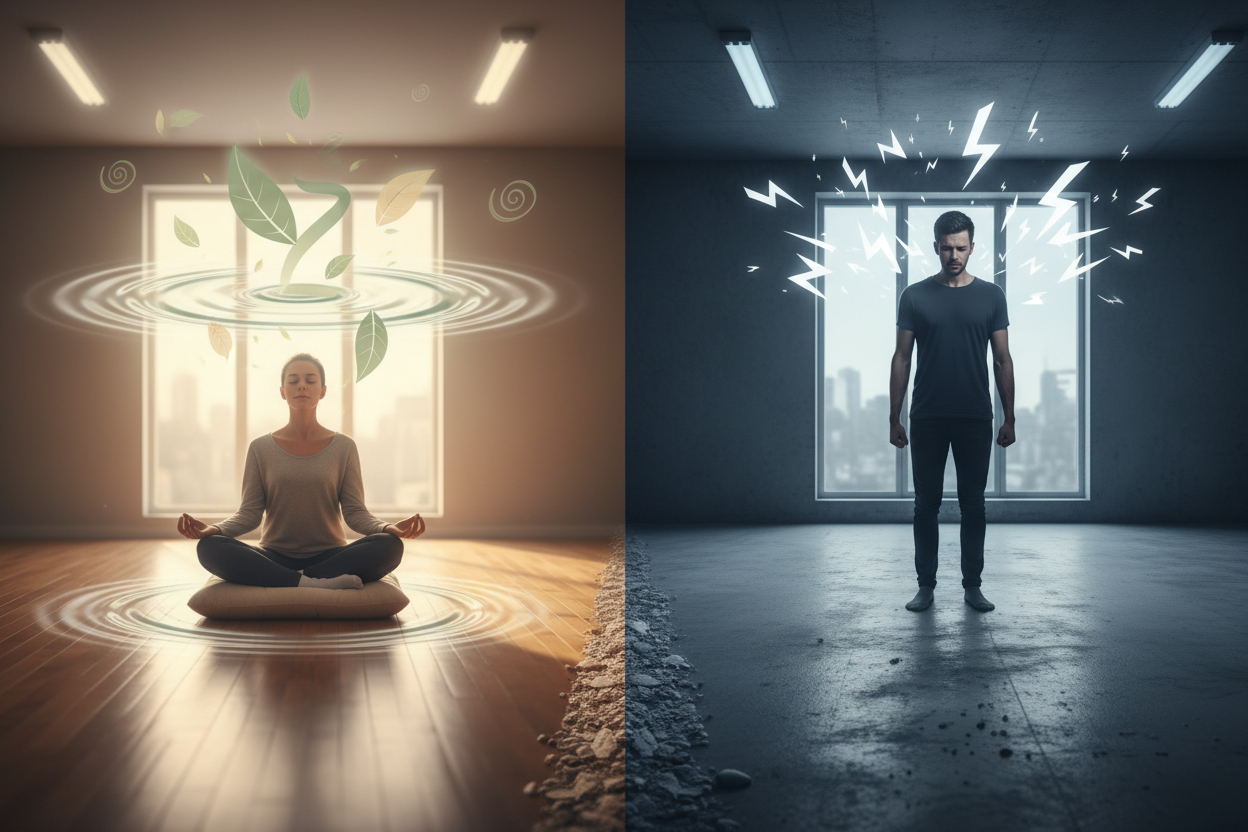
The Science Behind Flooring and Stress Response
Our brains are constantly processing sensory information from our environment, including tactile feedback from the surfaces we walk on. This sensory input directly influences our nervous system’s stress response. Hard, cold surfaces like concrete or poorly installed tile can trigger subtle stress signals, while softer, warmer materials tend to promote relaxation.
Neuroscientists have discovered that our feet contain thousands of nerve endings that send continuous feedback to our brain about our environment’s safety and comfort level. When these signals consistently indicate discomfort—through cold temperatures, harsh textures, or unstable surfaces—our stress hormones like cortisol can remain elevated throughout the day.
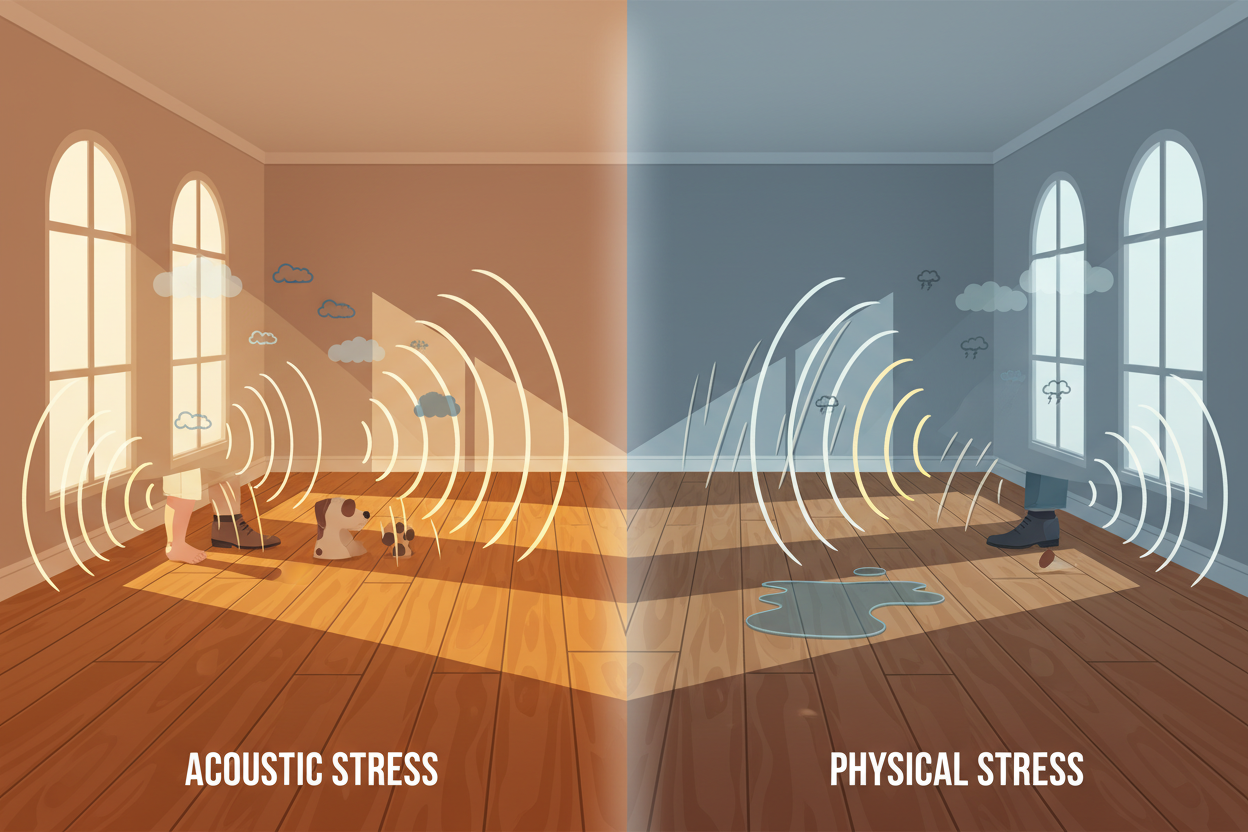
The acoustic properties of flooring also play a crucial role in stress management. Hard surfaces that amplify every footstep, dropped item, or furniture movement can create a constant background of noise pollution that keeps our nervous system in a heightened state of alertness. This chronic activation of our stress response system can lead to fatigue, irritability, and difficulty concentrating. 🧠
Carpet: The Comfort Champion for Stress Reduction
When it comes to stress reduction, carpet consistently ranks as one of the most beneficial flooring options for mental well-being. The soft, cushioned surface provides immediate tactile comfort that signals safety and relaxation to our nervous system. Walking barefoot on quality carpet feels nurturing and supportive, which can help lower cortisol levels naturally.
Carpet’s superior sound absorption qualities create a quieter living environment, reducing noise-related stress triggers. This is particularly beneficial in multi-story homes or apartments where footstep noise can be a significant source of tension between residents. The thermal insulation properties of carpet also contribute to stress reduction by maintaining warmer floor temperatures, eliminating the shock of cold surfaces that can jar our nervous system awake in the morning.
However, carpet does come with some stress-inducing considerations. Concerns about allergens, dust mites, and maintenance requirements can create anxiety for some residents. The key is choosing high-quality, low-pile carpets with stain-resistant treatments and maintaining proper cleaning schedules to minimize these worries. 🏡
Hardwood Flooring: Balancing Beauty with Stress Factors
Hardwood flooring offers a unique psychological profile when it comes to stress levels. Many people find the natural beauty and warmth of wood inherently calming and grounding. There’s something deeply satisfying about connecting with natural materials in our living spaces, and wood floors can provide this biophilic benefit that reduces stress and promotes well-being.
The durability and longevity of hardwood can also reduce long-term stress related to home maintenance and replacement costs. Knowing that your flooring investment will last for decades can provide peace of mind and financial security that contributes to lower overall stress levels.
On the flip side, hardwood floors can contribute to stress through their acoustic properties. Without proper area rugs or sound dampening measures, hardwood surfaces amplify noise, creating an environment where every footstep echoes. This can be particularly stressful in homes with children, pets, or multiple residents. The maintenance requirements of hardwood—concerns about scratches, water damage, and refinishing—can also create ongoing anxiety for some homeowners. 🌳
Tile and Stone: The Double-Edged Sword of Hard Surfaces
Tile and stone flooring present interesting contradictions when it comes to stress impact. On the positive side, these materials offer excellent hygiene benefits that can reduce stress for individuals concerned about cleanliness and allergens. The easy maintenance and durability of quality tile installations can provide long-term peace of mind.
Natural stone materials like marble or travertine can offer some of the same biophilic stress-reduction benefits as hardwood, connecting residents with natural elements. The cooling properties of stone can also be stress-relieving in hot climates, providing natural temperature regulation that reduces discomfort.
However, the hardness and coldness of these surfaces can be significant stress contributors. The shock of stepping onto cold tile first thing in the morning can trigger stress responses that set a negative tone for the entire day. The unforgiving nature of hard surfaces also means that dropped items are more likely to break, creating both noise stress and the anxiety of potential damage to belongings. 💎
Luxury Vinyl and Laminate: Modern Solutions for Stress Management
Today’s luxury vinyl plank (LVP) and high-quality laminate flooring options offer compelling solutions for stress-conscious homeowners. These materials have evolved significantly, now providing the visual appeal of natural materials while addressing many stress-inducing factors of traditional hard surfaces.
Modern LVP often includes built-in underlayment that provides cushioning underfoot and sound absorption, reducing both physical discomfort and noise-related stress. The waterproof properties of quality vinyl eliminate anxiety about spills and moisture damage, while the durability reduces long-term maintenance stress.
The installation process for these materials is typically less disruptive than traditional hardwood or tile, reducing the renovation stress that can significantly impact household harmony. Many options also offer antimicrobial properties that can ease concerns about hygiene and health, contributing to overall peace of mind. 🔧
Creating Stress-Free Flooring Solutions: Practical Tips
Regardless of your primary flooring choice, there are several strategies to minimize stress-inducing factors and maximize the mental health benefits of your floors. Area rugs are perhaps the most versatile solution, allowing you to add softness and sound absorption to any hard surface while maintaining the durability and easy maintenance of your base flooring.
Consider the specific needs of different rooms when making flooring decisions. Bedrooms benefit most from soft, warm surfaces that promote relaxation and better sleep quality. Living areas might prioritize sound absorption to create peaceful gathering spaces. Kitchens and bathrooms may require easy-to-clean surfaces, but strategic use of cushioned mats can add comfort where you stand most frequently.
Temperature regulation is another crucial factor in stress management. Radiant heating systems under tile or stone can eliminate the shock of cold surfaces, while proper insulation under any flooring type helps maintain comfortable temperatures that support relaxation rather than stress. 🌡️
The Long-Term Mental Health Investment
When considering flooring options, it’s important to think beyond initial costs and aesthetic preferences to consider the long-term mental health implications of your choice. Flooring that consistently contributes to daily stress—whether through discomfort, noise, maintenance anxiety, or aesthetic dissatisfaction—can have cumulative effects on your overall well-being and quality of life.
The good news is that with thoughtful selection and strategic additions like area rugs, underlayment, and proper installation, almost any flooring type can be optimized for stress reduction. The key is understanding your personal stress triggers and lifestyle needs, then choosing materials and installation methods that support rather than undermine your mental well-being.
Your home should be your sanctuary, and the surfaces you walk on every day play a bigger role in creating that peaceful environment than most people realize. By considering the stress impact of your flooring choices, you’re investing in not just your property’s value, but in your daily happiness and long-term mental health. After all, every step you take at home should move you toward greater comfort and peace, not away from it. 🏠💚
Call Us Now!