 Skip to content

The Future of Flooring Technology in Nursing Homes: Revolutionizing Senior Care Through Innovation 🏥
When I first stepped into a modern nursing home last month, something immediately caught my attention – and it wasn’t the cheerful wall colors or the state-of-the-art medical equipment. It was the floor beneath my feet. Gone were the cold, sterile tiles I remembered from facilities of the past. Instead, I found myself walking on what felt like a cloud – a revolutionary smart flooring system that could detect falls, reduce infection rates, and even monitor residents’ walking patterns.
The flooring industry for healthcare facilities is experiencing a technological renaissance that’s quietly transforming how we care for our aging population. As someone who’s spent considerable time researching healthcare innovations, I’m fascinated by how something as fundamental as flooring is becoming a cornerstone of modern senior care technology.
Smart Flooring Systems: The Foundation of Future Care 🤖
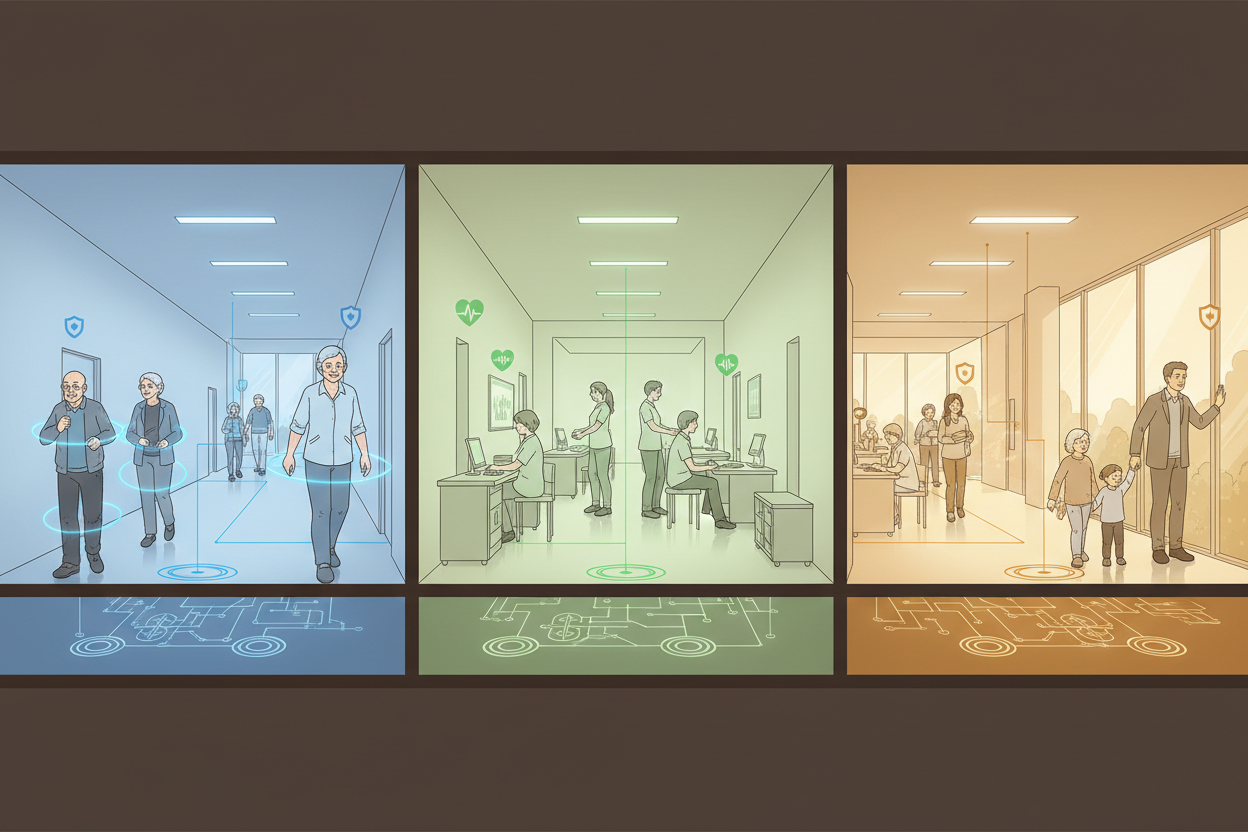
Imagine flooring that thinks, responds, and protects. That’s not science fiction anymore – it’s happening right now in nursing homes across the globe. Smart flooring systems represent the most significant advancement in nursing home infrastructure since the introduction of electronic health records.
These intelligent surfaces incorporate sensors, pressure-sensitive materials, and wireless connectivity to create a comprehensive monitoring network. The technology works silently beneath residents’ feet, continuously gathering data about movement patterns, gait stability, and potential fall risks. What makes this particularly exciting is how seamlessly it integrates into daily life – residents and staff often don’t even realize they’re walking on cutting-edge technology.
The data collected isn’t just impressive numbers on a dashboard. It’s actionable intelligence that helps caregivers make informed decisions about resident safety and health management. When Mrs. Johnson’s walking pattern shows subtle changes that might indicate a developing health issue, staff can intervene early rather than waiting for a crisis to occur.
Fall Prevention Technology: Saving Lives One Step at a Time 🛡️
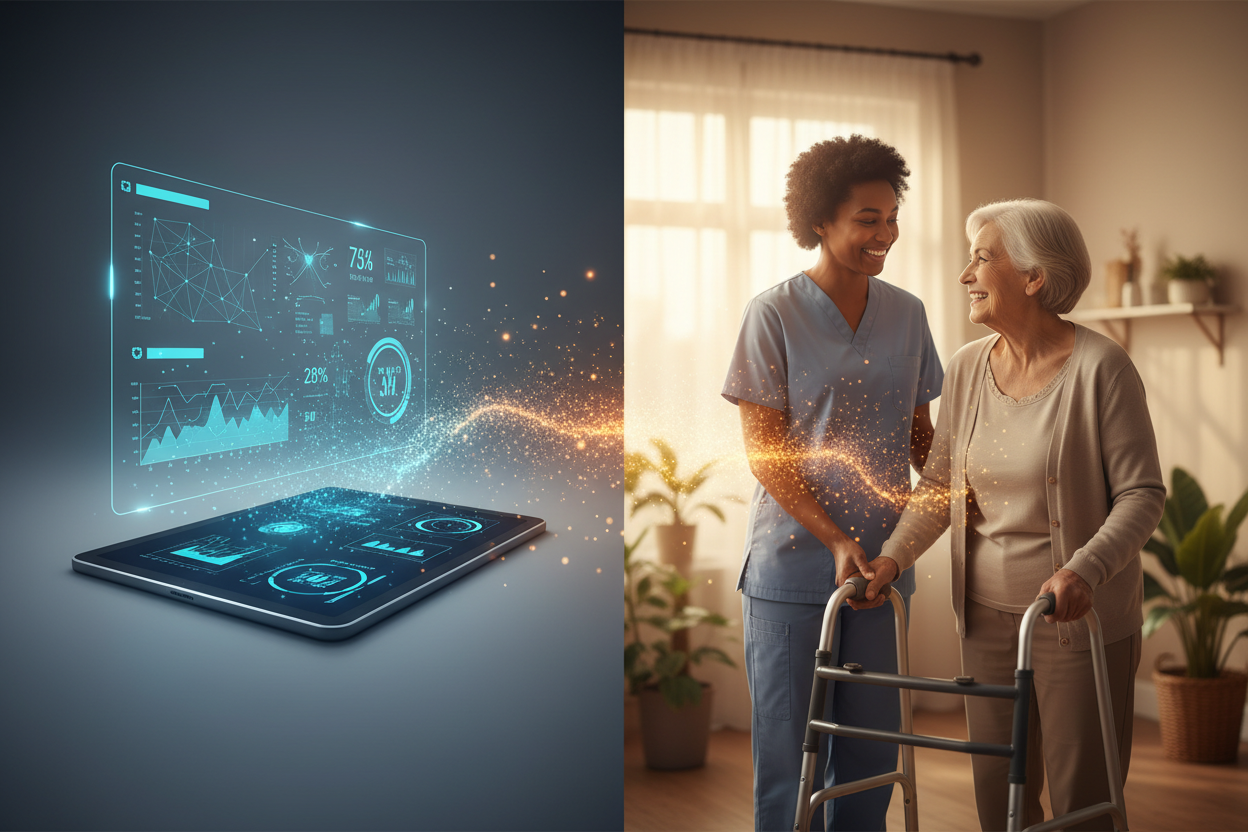
Falls represent one of the most serious threats to nursing home residents, with statistics showing that one in three seniors experiences a fall each year. Traditional fall prevention methods, while valuable, often rely on reactive measures. The future of flooring technology flips this approach entirely, focusing on prediction and prevention.
Advanced pressure-mapping flooring can detect when someone is moving unsteadily or when their gait pattern suggests an increased fall risk. Some systems can even predict a fall seconds before it happens, automatically alerting nearby staff or triggering safety protocols. I’ve witnessed demonstrations where the flooring detected a resident beginning to stumble and immediately sent alerts to three different staff members’ devices – all within two seconds.
The psychological impact shouldn’t be underestimated either. When residents feel more secure knowing that help will arrive quickly if needed, their confidence increases. This often leads to greater mobility and independence, creating a positive cycle that improves overall quality of life.
Antimicrobial and Self-Cleaning Surfaces: The Hygiene Revolution 🧽
The COVID-19 pandemic taught us harsh lessons about infection control in healthcare facilities. Traditional cleaning methods, while thorough, have limitations – you can’t clean what you can’t see, and you can’t clean continuously throughout the day without disrupting facility operations.
Enter antimicrobial flooring technology that actively fights pathogens 24/7. These surfaces incorporate silver ions, copper particles, or photocatalytic materials that break down bacteria, viruses, and fungi on contact. Some advanced systems even use UV-activated coatings that become more effective under certain lighting conditions.
Self-cleaning floors take this concept even further. Using photocatalytic titanium dioxide coatings, these surfaces break down organic compounds and neutralize odors when exposed to light. While they don’t replace traditional cleaning entirely, they significantly reduce the microbial load between cleaning cycles. The result? Healthier environments for both residents and staff, with measurably lower infection rates.
Comfort and Ergonomic Innovations: Beyond Basic Function 💆
Walking into a nursing home shouldn’t feel like entering a hospital. The future of flooring technology recognizes that comfort isn’t a luxury – it’s essential for healing and well-being. Advanced cushioning systems now provide optimal support for aging joints while maintaining the stability needed for safe mobility.
Temperature-regulating floors represent another breakthrough. These systems maintain consistent, comfortable surface temperatures regardless of external conditions. For residents with circulation issues or temperature sensitivity, this can make the difference between staying active and becoming sedentary.
The ergonomic benefits extend to staff as well. Healthcare workers spend countless hours on their feet, and fatigue-reducing flooring can significantly impact their comfort and productivity. When caregivers feel better physically, they can provide better care – it’s that simple.
Environmental Sustainability in Healthcare Flooring 🌱
Sustainability isn’t just trendy – it’s necessary. Modern nursing homes are increasingly focused on reducing their environmental impact, and flooring plays a crucial role in these efforts. Recycled materials, renewable resources, and low-emission manufacturing processes are becoming standard rather than optional.
Energy-efficient flooring systems contribute to overall building performance. Radiant heating floors, for instance, can reduce energy consumption by up to 30% compared to traditional HVAC systems. Some facilities are even experimenting with piezoelectric flooring that generates small amounts of electricity from foot traffic – imagine powering LED pathway lighting simply from residents’ daily walks!
The longevity factor cannot be ignored either. While traditional flooring might need replacement every 5-7 years, advanced materials are designed to last 15-20 years or more. This durability reduces waste, minimizes disruption to residents, and provides better long-term value for facilities.
Integration with Healthcare Management Systems 📊
The true power of smart flooring emerges when it connects with broader healthcare management systems. Imagine flooring data automatically updating electronic health records, triggering medication reminders based on activity levels, or adjusting room environments based on occupancy patterns.
This integration creates unprecedented opportunities for personalized care. If the flooring detects that a resident is having difficulty sleeping (based on nighttime movement patterns), the system might automatically adjust room temperature, lighting, or even suggest a care plan modification to the medical team.
Privacy concerns are legitimate and must be addressed thoughtfully. However, when properly implemented with appropriate safeguards, these systems enhance rather than compromise resident dignity and autonomy.
Cost Considerations and Return on Investment 💰
Let’s be honest – advanced flooring technology isn’t cheap. Initial installation costs can be 2-3 times higher than traditional options. However, the financial picture becomes much more attractive when you consider the total cost of ownership.
Reduced fall-related injuries alone can save facilities hundreds of thousands of dollars annually. Add in lower infection rates, reduced staff turnover (due to better working conditions), and improved operational efficiency, and the return on investment becomes compelling. Many facilities report breaking even within 3-5 years while enjoying benefits that last decades.
Financing options are evolving too. Some technology companies offer leasing programs or performance-based contracts where facilities pay based on measurable outcomes rather than upfront capital expenses.
Challenges and Implementation Considerations ⚠️
No technology is without challenges. Installation of smart flooring systems requires careful planning, often involving temporary relocation of residents and coordination with multiple contractors. Staff training is essential – the most sophisticated system is worthless if caregivers don’t understand how to use the data it provides.
Maintenance requirements vary significantly between systems. While some advanced floors are virtually maintenance-free, others require specialized cleaning products or periodic recalibration. Facilities must factor these ongoing requirements into their decision-making process.
Technology obsolescence is another consideration. In a rapidly evolving field, today’s cutting-edge system might be outdated in five years. Smart facilities are choosing modular systems that can be upgraded incrementally rather than replaced entirely.
Looking Ahead: What’s Next for Nursing Home Flooring? 🔮
The future holds even more exciting possibilities. Researchers are developing flooring that can monitor vital signs through foot contact, surfaces that provide tactile navigation for residents with visual impairments, and even floors that can detect and respond to emotional states through gait analysis.
Artificial intelligence integration will make these systems even smarter. Machine learning algorithms will identify patterns that human observers might miss, predicting health issues days or weeks before they become apparent through traditional assessment methods.
The convergence of flooring technology with other smart building systems will create truly intelligent environments that adapt continuously to residents’ needs. Floors that communicate with lighting systems, HVAC controls, and medical devices will enable unprecedented levels of personalized care.
Conclusion: Walking Toward a Better Future 👣
The future of flooring technology in nursing homes represents far more than just a surface upgrade – it’s a fundamental shift toward proactive, data-driven care that prioritizes both safety and dignity. As I’ve researched and written about these innovations, I’m struck by how they address some of the most persistent challenges in senior care while opening doors to possibilities we’re only beginning to imagine.
The transition won’t happen overnight, and it won’t be without challenges. However, for facilities willing to embrace these technologies thoughtfully, the benefits are transformative. Residents enjoy greater safety, comfort, and independence. Staff work in healthier, more efficient environments. Families gain peace of mind knowing their loved ones are protected by invisible guardians beneath their feet.
As our population ages and our expectations for quality care continue to rise, innovative flooring technology will play an increasingly crucial role in defining what excellent senior care looks like. The ground beneath our feet is becoming the foundation for a revolution in healthcare – and that’s something worth getting excited about. 🌟
The nursing homes of tomorrow won’t just house our aging population; they’ll actively contribute to their health, safety, and happiness through every step they take. And it all starts with the floor beneath their feet.
Call Us Now!