 Skip to content

The Benefits of Interactive Flooring for Memory Care: Transforming Lives Through Innovative Technology 🌟
Imagine walking into a memory care facility and seeing residents with dementia lighting up with joy as colorful flowers bloom beneath their feet with each step. This isn’t science fiction—it’s the remarkable reality of interactive flooring technology that’s revolutionizing memory care across the globe. As someone who has witnessed the profound impact of these innovative solutions firsthand, I can tell you that interactive floors are more than just technological marvels; they’re bridges to connection, engagement, and dignity for those living with memory-related conditions.
Interactive flooring systems use motion sensors and projection technology to create responsive environments that react to movement, touch, and presence. When combined with thoughtful memory care approaches, these floors become powerful tools for enhancing quality of life, promoting physical activity, and sparking cognitive engagement in ways that traditional therapies simply cannot match.
Understanding Interactive Flooring Technology in Healthcare Settings 💡
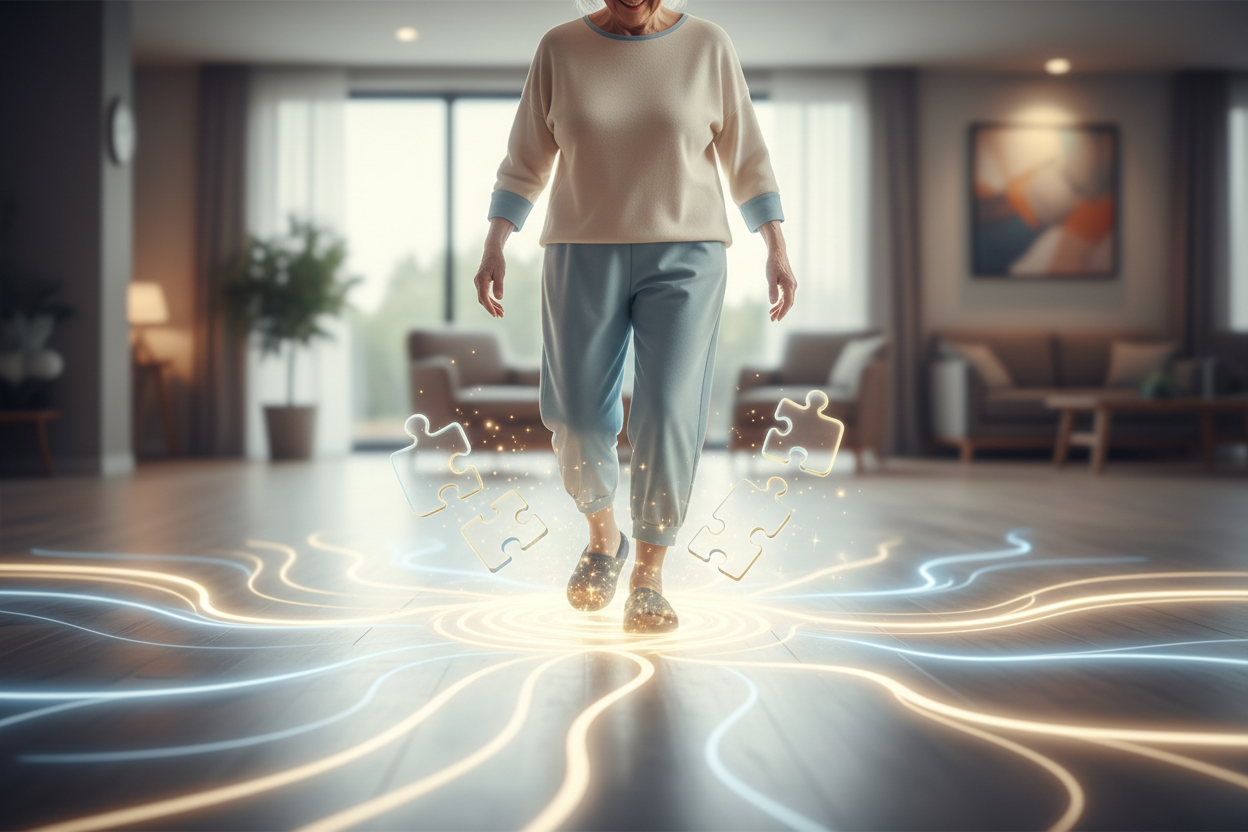
Interactive flooring represents a breakthrough in assistive technology that transforms ordinary floor surfaces into dynamic, responsive environments. These systems typically consist of ceiling-mounted projectors, motion-sensing cameras, and specialized software that creates real-time visual effects based on user movement and interaction.
The technology works by tracking movement patterns and translating them into immediate visual feedback on the floor surface. When a resident steps onto an interactive floor, they might see ripples spreading from their feet like water, leaves rustling as they walk through a virtual forest, or musical notes appearing with each footstep. This immediate cause-and-effect relationship is particularly valuable for individuals with dementia, as it provides clear, understandable feedback that can help maintain cognitive connections.
What makes this technology especially suited for memory care is its intuitive nature. Unlike complex devices that require learning new skills, interactive floors respond to natural human movements that residents already know how to perform. This familiarity helps reduce anxiety and confusion while encouraging spontaneous engagement—something that’s often challenging to achieve in traditional therapeutic settings.
Cognitive Stimulation and Memory Enhancement Benefits 🧠
One of the most significant advantages of interactive flooring in memory care lies in its ability to provide multi-sensory cognitive stimulation. The combination of visual, auditory, and kinesthetic feedback creates rich sensory experiences that can help activate different areas of the brain simultaneously.
Research has shown that individuals with dementia often retain procedural memories—the ability to perform learned motor skills—long after other cognitive functions decline. Interactive floors capitalize on this by encouraging familiar movements like walking, stepping, and reaching, while simultaneously providing cognitive challenges through pattern recognition, cause-and-effect understanding, and spatial awareness exercises.
The immediate feedback provided by these systems can help strengthen neural pathways and potentially slow cognitive decline. When a resident sees their footsteps creating beautiful visual patterns or hears pleasant sounds triggered by their movement, it reinforces the connection between intention and action—a relationship that dementia often disrupts.
Many facilities report that residents who were previously withdrawn or unresponsive show remarkable improvements in alertness and engagement when using interactive floors. The technology seems to tap into something fundamental about human nature: our innate desire to explore, interact with, and influence our environment.
Physical Activity and Mobility Improvements 🚶♀️
Maintaining physical activity is crucial for individuals with dementia, yet traditional exercise programs often fail to motivate participation. Interactive flooring addresses this challenge by making movement inherently rewarding and enjoyable rather than feeling like prescribed exercise.
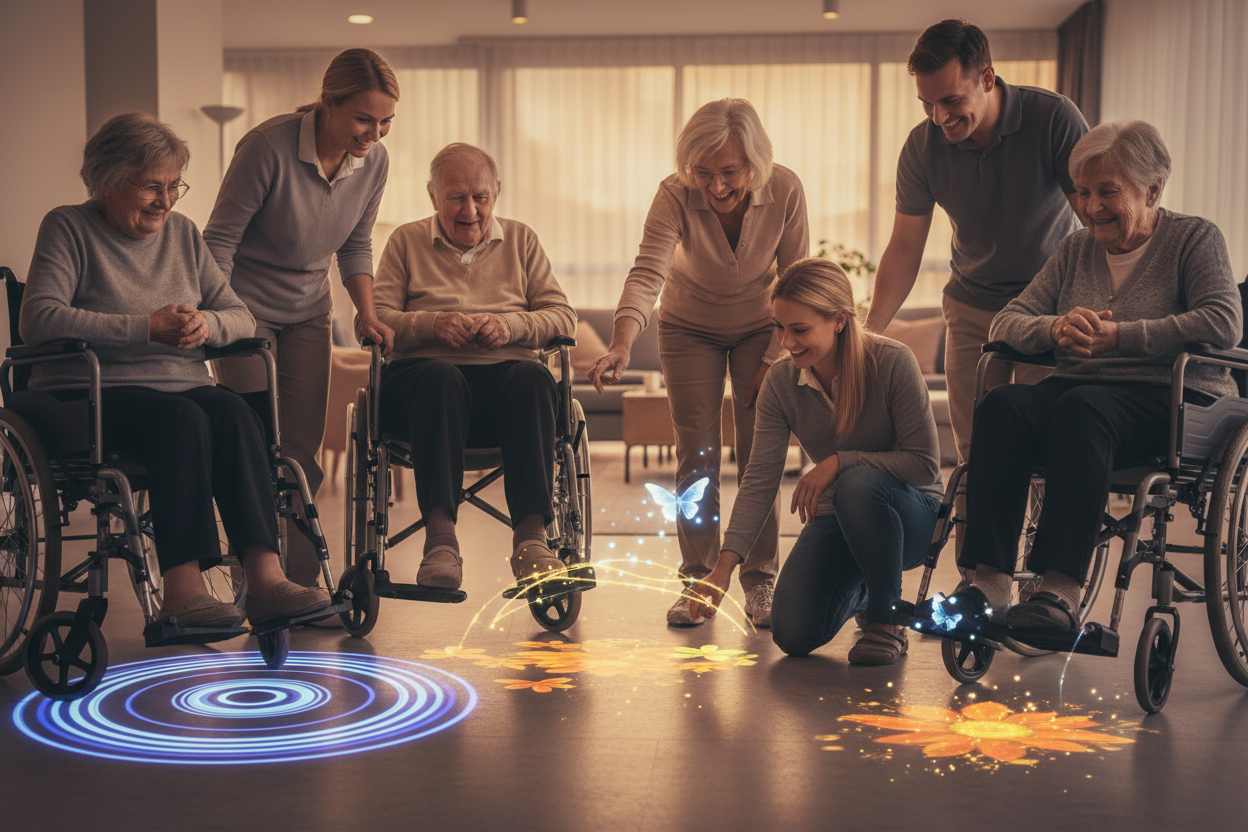
The gamification aspect of interactive floors naturally encourages residents to move more. Whether they’re trying to “catch” virtual butterflies, step on musical notes to create melodies, or simply enjoy the visual effects of their movements, residents often engage in significantly more physical activity than they would through conventional exercise programs.
This increased activity has multiple benefits beyond just physical fitness. Regular movement helps maintain muscle strength, balance, and coordination—all critical factors in preventing falls, which are a major concern in memory care settings. The improved circulation from increased activity can also support overall brain health and potentially slow the progression of cognitive symptoms.
Perhaps most importantly, the non-threatening nature of interactive floor activities means that residents with varying physical abilities can participate. The system can be adjusted to respond to different types of movement, from vigorous walking to gentle shuffling, ensuring that everyone can experience the joy of interaction regardless of their mobility level.
Social Engagement and Emotional Well-being Enhancement 💝
Isolation and depression are common challenges in memory care, but interactive flooring creates natural opportunities for social connection. When residents see others enjoying the interactive experiences, they’re often drawn to participate themselves, leading to spontaneous social interactions that might not otherwise occur.
The shared wonder and delight that interactive floors generate can break down social barriers and create moments of genuine connection between residents, family members, and caregivers. I’ve observed countless instances where residents who hadn’t spoken in weeks suddenly begin pointing out visual effects to others or laughing together at the magical responses their movements create.
These positive emotional experiences are invaluable for individuals with dementia, who often struggle with feelings of confusion, frustration, and loss. The success and joy they experience when interacting with these systems can boost self-esteem and provide a sense of accomplishment that’s often missing from their daily lives.
Family visits also become more meaningful when interactive floors are available. Rather than sitting quietly together struggling for conversation topics, families can engage in shared activities that create new positive memories and provide common ground for interaction.
Reducing Behavioral Symptoms and Agitation 🕊️
Behavioral symptoms such as wandering, agitation, and restlessness are among the most challenging aspects of dementia care. Interactive flooring offers a non-pharmacological approach to managing these behaviors by providing positive outlets for energy and attention.
The calming visual effects and engaging nature of interactive floors can help redirect anxious or agitated residents toward more positive activities. Instead of pacing aimlessly, a resident might become absorbed in creating patterns with their footsteps or following virtual objects across the floor. This redirection often leads to reduced stress levels and fewer behavioral incidents.
The technology also provides caregivers with valuable tools for de-escalation. When a resident becomes upset or confused, guiding them to an interactive floor area can provide immediate distraction and comfort. The familiar cause-and-effect responses help ground residents in the present moment and can interrupt the cycle of escalating agitation.
Many facilities report significant reductions in the need for behavioral medications after implementing interactive flooring systems. This is particularly important given the serious side effects that psychoactive medications can have on elderly individuals with dementia.
Caregiver Benefits and Staff Satisfaction 👩⚕️
While the focus is often on resident benefits, interactive flooring also provides significant advantages for caregivers and staff members. These systems offer new tools for engagement that can make caregiving more rewarding and effective.
Staff members report feeling more confident in their ability to engage residents when they have interactive technology available. Instead of struggling to find activities that will capture interest, caregivers can rely on the inherent appeal of interactive floors to facilitate meaningful interactions.
The technology also provides objective ways to measure resident engagement and activity levels. Many systems include tracking capabilities that can help caregivers understand patterns in resident behavior and preferences, leading to more personalized care approaches.
Additionally, the positive responses that interactive floors generate from residents can be deeply rewarding for staff members. Seeing withdrawn residents light up with joy or watching families connect through shared activities provides the kind of meaningful moments that remind caregivers why they chose this profession.
Implementation Considerations and Best Practices 📋
Successfully implementing interactive flooring in memory care requires careful planning and consideration of the specific needs of the resident population. The technology works best when integrated into a comprehensive care approach rather than being treated as a standalone solution.
Staff training is crucial for maximizing the benefits of interactive flooring systems. Caregivers need to understand how to introduce residents to the technology, encourage participation, and use the systems therapeutically. The most successful implementations involve ongoing training and support to help staff develop confidence and creativity in using the technology.
Customization is another key factor. The best interactive flooring systems allow for programming that reflects the interests, backgrounds, and cognitive levels of specific resident populations. Content that includes familiar imagery, music, or cultural references can be particularly effective in engaging residents and triggering positive memories.
Safety considerations must also be addressed, including ensuring that the projected images don’t create visual confusion or tripping hazards. Proper lighting, clear boundaries, and staff supervision help ensure that interactive floors enhance rather than compromise resident safety.
Future Developments and Emerging Trends 🚀
The field of interactive flooring for memory care continues to evolve rapidly, with new developments promising even greater benefits for residents and caregivers. Artificial intelligence integration is beginning to enable systems that can learn individual preferences and adapt content accordingly.
Virtual and augmented reality elements are being incorporated to create even more immersive experiences, while improved motion sensing technology allows for more subtle and sophisticated interactions. Some systems now include biometric monitoring that can adjust content based on stress levels or emotional states.
The integration of interactive flooring with other smart home and healthcare technologies is also expanding possibilities. Systems that can communicate with electronic health records, medication management systems, and family communication platforms are beginning to create more comprehensive care ecosystems.
Conclusion: Stepping Into a Brighter Future 🌈
Interactive flooring technology represents a paradigm shift in memory care, moving beyond traditional approaches to embrace innovation that truly enhances quality of life. The benefits extend far beyond simple entertainment, offering genuine therapeutic value that addresses the complex needs of individuals living with dementia.
From cognitive stimulation and physical activity to social engagement and behavioral management, interactive floors provide multifaceted solutions that can transform the memory care experience. The technology offers hope not just for residents, but for families seeking meaningful ways to connect and caregivers looking for effective tools to provide compassionate care.
As we continue to face the growing challenges of an aging population and increasing rates of dementia, innovative solutions like interactive flooring will play an increasingly important role in creating environments where individuals can maintain dignity, experience joy, and continue to engage with the world around them.
The future of memory care is literally at our feet, and with each step forward, we’re creating pathways to better outcomes, stronger connections, and renewed hope for those affected by memory-related conditions. Interactive flooring isn’t just changing how we approach memory care—it’s transforming lives, one step at a time. ✨
Call Us Now!