 Skip to content
The Benefits of Color Psychology in Nursing Home Flooring: Creating Healing Environments Through Smart Design Choices 🌈
Walking into a nursing home should feel like entering a warm, welcoming space rather than a sterile medical facility. Yet, many of these important care environments still rely on outdated design principles that overlook one of the most powerful tools in creating therapeutic spaces: color psychology. When it comes to nursing home flooring, the colors we choose beneath residents’ feet can significantly impact their emotional well-being, cognitive function, and overall quality of life.
The science of color psychology reveals how different hues can influence our moods, behaviors, and even physical responses. In nursing homes, where residents spend the majority of their time, these effects become even more pronounced. Smart flooring color choices can reduce anxiety, improve wayfinding, enhance safety, and create the kind of environment that truly supports healing and happiness. 💙
Understanding Color Psychology in Healthcare Settings
Color psychology isn’t just about aesthetics—it’s rooted in scientific research that demonstrates how our brains process and respond to different wavelengths of light. In healthcare environments, these responses can be particularly powerful because residents and patients are often in vulnerable states where environmental factors play a crucial role in their recovery and comfort.
Warm colors like soft yellows and gentle oranges can stimulate appetite and social interaction, while cool blues and greens tend to have calming, stress-reducing effects. For nursing home residents who may be dealing with anxiety, depression, or cognitive decline, these color-induced mood changes aren’t just pleasant—they’re therapeutic.
Research conducted by the University of Georgia found that residents in facilities with thoughtfully chosen color schemes showed improved social engagement and reduced agitation compared to those in traditionally neutral environments. The flooring, being the largest visual surface in most rooms, plays a particularly important role in establishing these beneficial color relationships.
How Flooring Colors Impact Resident Well-being
The psychological impact of flooring colors in nursing homes extends far beyond simple preference. These effects touch every aspect of daily life for residents, from their sleep patterns to their willingness to participate in social activities.
Calming blue-toned flooring in common areas has been shown to reduce cortisol levels—the stress hormone—in elderly residents. This physiological response translates into more restful sleep, better appetite, and improved immune function. Meanwhile, warmer earth tones in dining areas can actually stimulate appetite, which is particularly beneficial for residents who may struggle with eating due to medication side effects or depression.
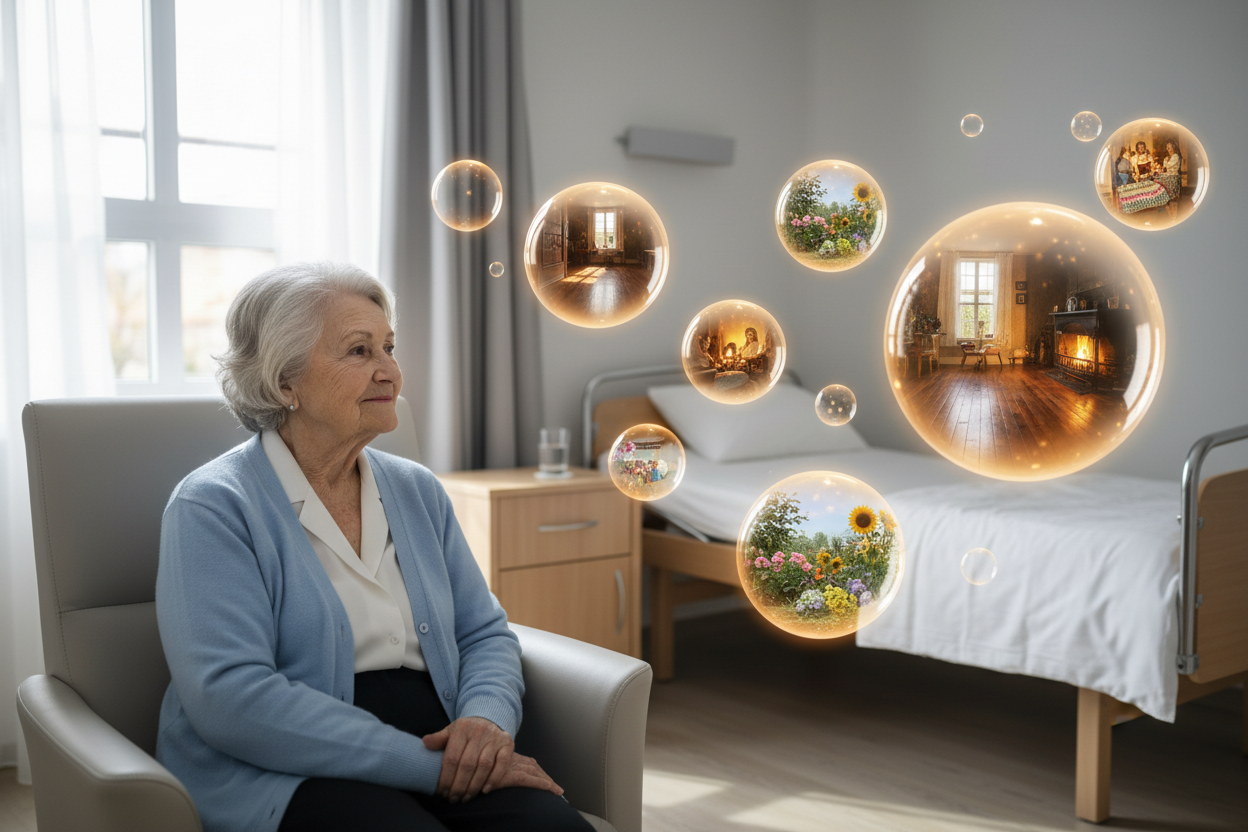
One fascinating aspect of color psychology in nursing homes involves the concept of “color memory.” Many residents respond positively to colors that remind them of meaningful places from their past—perhaps the warm browns of a childhood home’s hardwood floors or the soft greens reminiscent of a favorite garden. These emotional connections can provide comfort and reduce feelings of displacement that often accompany the transition to care facilities. 🏡
Specific Color Benefits for Different Areas
Different areas within nursing homes serve unique purposes, and the flooring colors should reflect these functional needs while supporting residents’ psychological well-being.
In resident bedrooms, soft, muted tones work best. Gentle grays, warm beiges, or subtle lavenders can create a sense of tranquility that promotes better sleep. These colors are sophisticated enough to feel dignified while remaining soothing. Avoiding overly bright or stimulating colors in private spaces helps residents wind down and feel secure in their personal environment.
Common areas and activity rooms benefit from slightly more energetic color choices. Warm terracotta, soft coral, or gentle sage green can encourage social interaction and participation in group activities. These colors strike a balance between being welcoming and avoiding overstimulation, which is particularly important for residents with dementia or anxiety disorders.
Dining areas present a unique opportunity to use color psychology to address one of the most common challenges in nursing homes: maintaining good nutrition. Warm, appetite-stimulating colors like soft oranges, warm yellows, or rich creams can make meals more appealing and dining experiences more pleasant. Research shows that residents eat better in environments with warm-toned flooring compared to cool or neutral spaces.
Safety and Wayfinding Through Strategic Color Choices
Beyond emotional benefits, strategic use of color in nursing home flooring serves crucial safety and navigation functions. As we age, our vision changes, making it more difficult to distinguish between similar tones and navigate spaces confidently.
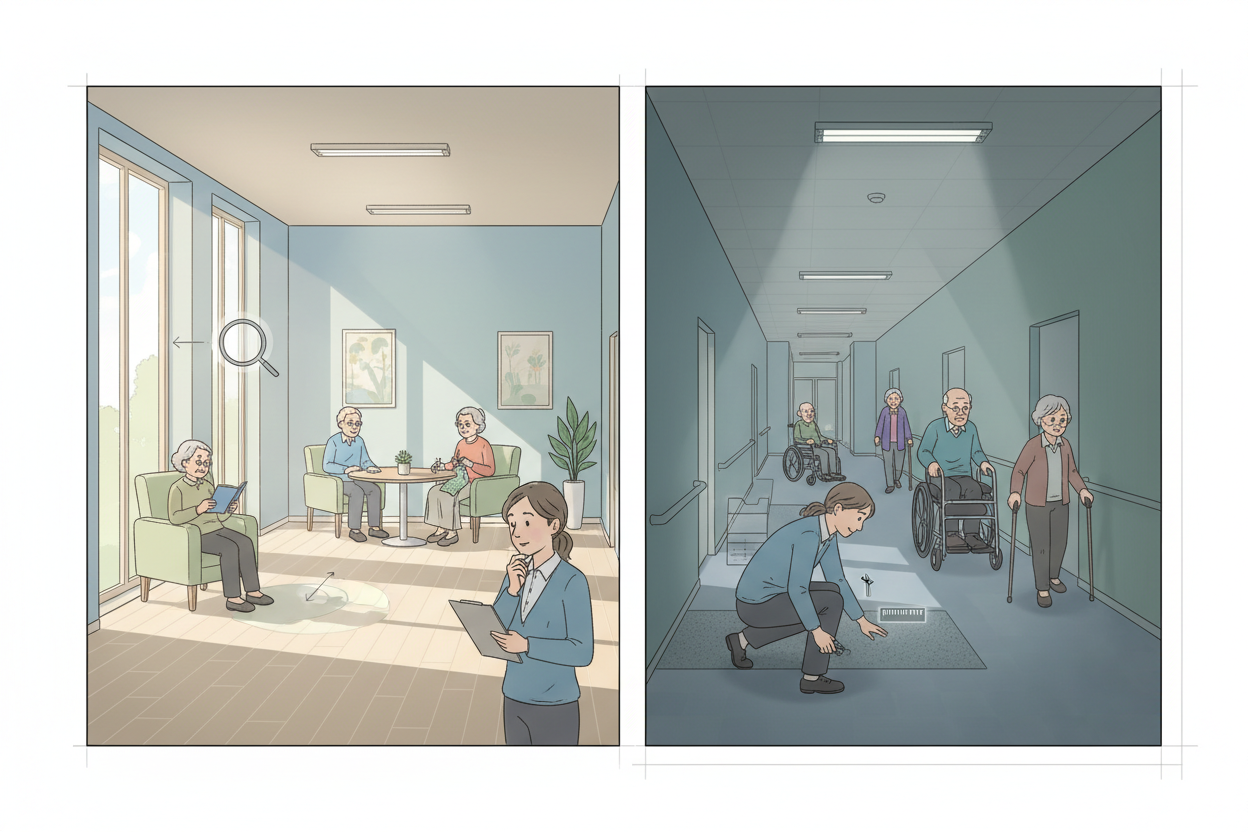
High-contrast color transitions can help residents identify different areas and navigate independently. For example, using a slightly different shade of flooring to delineate the boundary between a hallway and a room entrance can prevent falls and confusion. This is particularly beneficial for residents with dementia, who may struggle with spatial awareness.
Color-coded pathways represent another innovative application of color psychology in nursing home design. Using subtle variations in flooring color to create “roads” that lead to different destinations—perhaps a warmer tone leading to the dining room or a cooler shade directing residents to outdoor areas—can significantly improve wayfinding abilities. 🛣️
Safety considerations also extend to emergency situations. Flooring colors that provide clear contrast with wall colors help residents and staff quickly identify exits and navigate during evacuations. The psychological comfort provided by familiar, pleasant colors can also help residents remain calmer during stressful situations.
Considerations for Dementia and Alzheimer’s Care
Residents with dementia and Alzheimer’s disease have specific needs that make color psychology even more critical in their care environments. These conditions can alter perception and increase sensitivity to environmental stimuli, making thoughtful color choices essential for comfort and functionality.
High-contrast patterns or busy designs in flooring can create visual confusion and anxiety for residents with cognitive impairments. They might perceive patterns as obstacles or holes, leading to fear and reluctance to walk. Solid, consistent colors in flooring help create a sense of stability and security.
Familiar, traditional colors often work best for residents with dementia. Colors that might have been common in homes during their younger years—warm browns, soft greens, or gentle blues—can trigger positive memories and provide emotional comfort. These color connections to the past can help reduce anxiety and create a sense of familiarity in an otherwise unfamiliar environment.
The concept of “sunset syndrome,” where dementia symptoms worsen in the evening, can also be addressed through color choices. Warmer, golden tones in flooring can help maintain a sense of daylight and warmth even as natural light fades, potentially reducing evening agitation and confusion. 🌅
Practical Implementation Tips for Nursing Home Administrators
Implementing color psychology principles in nursing home flooring requires careful planning and consideration of practical factors alongside psychological benefits. The goal is creating environments that are both therapeutically beneficial and operationally efficient.
Start by conducting a thorough assessment of your current environment and resident needs. Consider factors like the amount of natural light in different areas, the primary activities that take place in each space, and any specific challenges your resident population faces. This information will guide your color selection process and help prioritize which areas might benefit most from flooring updates.
Budget considerations don’t have to derail color psychology initiatives. Many modern flooring materials offer extensive color options at various price points. Luxury vinyl tile, for example, can provide the warm appearance of wood or the calming effect of stone while remaining cost-effective and easy to maintain. The key is choosing colors strategically rather than simply opting for the most expensive materials.
Involve residents and families in the selection process when possible. While color psychology provides scientific guidance, personal preferences and cultural considerations are also important. Some residents might have strong positive or negative associations with certain colors based on their life experiences, and incorporating this feedback can enhance the therapeutic benefits of your color choices.
Measuring Success and Long-term Benefits
The benefits of implementing color psychology in nursing home flooring extend well beyond immediate aesthetic improvements. Facilities that have embraced these principles often report measurable improvements in resident satisfaction, staff morale, and even operational metrics.
Tracking resident behavior and well-being indicators can help demonstrate the value of color psychology investments. Many facilities notice reduced use of anxiety medications, improved participation in activities, and fewer behavioral incidents after implementing thoughtful color schemes. These improvements not only enhance quality of life but can also reduce operational costs and staff turnover.
Family satisfaction often increases as well when nursing homes feel more like homes and less like institutions. The welcoming, therapeutic environment created through strategic color use can ease the emotional burden that families feel when placing loved ones in care facilities. This improved family satisfaction can lead to better relationships, more positive reviews, and increased referrals. 👨👩👧👦
Staff benefits shouldn’t be overlooked either. Working in environments designed with color psychology principles can reduce workplace stress and improve job satisfaction. When staff members feel good about their work environment, it translates into better care for residents and reduced turnover costs for facilities.
The investment in color psychology through flooring choices represents a long-term commitment to resident-centered care. As our understanding of environmental psychology continues to evolve, facilities that have already embraced these principles will be better positioned to adapt and improve their therapeutic environments.
Creating healing environments through strategic use of color psychology in nursing home flooring isn’t just about following trends—it’s about recognizing the profound impact that our surroundings have on our well-being. When we choose flooring colors with intention and scientific backing, we’re investing in the daily comfort, safety, and happiness of some of our most vulnerable community members. The result is spaces that truly feel like home while providing the highest level of care. 🏠✨
Call Us Now!