 Skip to content

How to Use Flooring to Enhance Resident Interaction: Creating Spaces That Bring People Together 🏠
Have you ever walked into a space and immediately felt drawn to linger, chat, or simply enjoy the company of others? The secret might be right beneath your feet. Flooring plays a surprisingly powerful role in shaping how residents interact within their living spaces, whether it’s an apartment complex, senior living facility, or residential community. The right flooring choices can transform sterile hallways into vibrant social hubs and create inviting spaces that naturally encourage conversation and connection.
In today’s world, where digital interactions often replace face-to-face conversations, thoughtfully designed physical spaces become even more crucial. The flooring you choose isn’t just about aesthetics or durability – it’s about creating an environment that fosters human connection and builds stronger communities. Let’s explore how strategic flooring decisions can enhance resident interaction and create spaces where relationships flourish.
The Psychology Behind Flooring and Social Interaction 🧠
Before diving into specific flooring solutions, it’s essential to understand the psychological impact that different surfaces have on human behavior. Research in environmental psychology shows that people respond differently to various textures, colors, and materials underfoot. Hard, cold surfaces like polished concrete might create a sense of formality and encourage quick passage, while warmer materials like wood or carpet tend to make spaces feel more inviting and comfortable for lingering.
The acoustic properties of flooring also play a crucial role in social dynamics. Surfaces that absorb sound create quieter, more intimate environments where conversations can flow naturally without the stress of competing with echoing footsteps or harsh reverberations. This is particularly important in common areas where residents gather to socialize, read, or participate in activities.
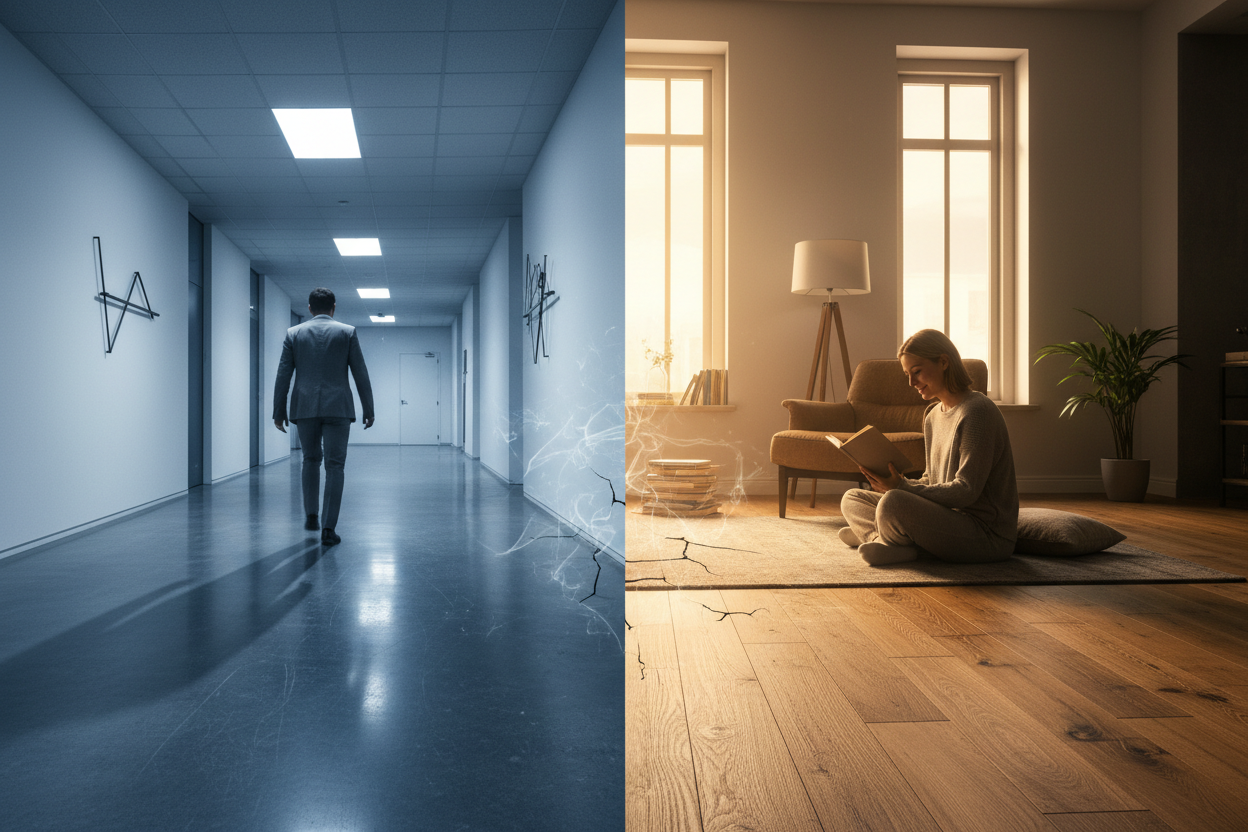
Color psychology comes into play as well. Warm, earthy tones tend to create feelings of comfort and approachability, while cooler tones might feel more clinical or distant. The pattern and scale of flooring designs can also influence how people move through and use spaces, either encouraging gathering or promoting quick transit.
Creating Conversation Zones with Strategic Flooring Choices 💬
One of the most effective ways to use flooring to enhance resident interaction is by creating distinct conversation zones within larger spaces. Think of flooring as an invisible guide that helps define different areas and their intended purposes without the need for physical barriers.
In a large community room, for example, you might use area rugs or different flooring materials to create intimate seating clusters. A plush area rug under a grouping of comfortable chairs signals that this is a space designed for conversation and relaxation. The soft texture underfoot makes the area feel more residential and less institutional, encouraging residents to settle in for longer periods.
Transition zones between different areas can be marked with subtle changes in flooring material or pattern. A shift from hardwood to a decorative tile border might indicate the transition from a circulation area to a social space, helping residents understand how the space is intended to be used.
Consider incorporating flooring elements that naturally slow foot traffic in areas where you want to encourage interaction. Slightly raised platforms, interesting patterns that draw the eye downward, or comfortable materials that feel good underfoot can all serve as subtle invitations to pause and engage with others.
Acoustic Considerations for Better Communication 🔊
Nothing kills conversation quite like poor acoustics. Hard flooring surfaces, while often practical and easy to maintain, can create challenging acoustic environments that make communication difficult, especially for older residents or those with hearing impairments.
Carpet and area rugs are excellent sound absorbers that can dramatically improve the acoustic quality of social spaces. They reduce both impact noise from footsteps and airborne sound, creating a more comfortable environment for conversation. In areas where carpet isn’t practical due to maintenance concerns, consider luxury vinyl tile with built-in sound dampening properties or cork flooring, which naturally absorbs sound.
Strategic placement of sound-absorbing flooring materials can help create acoustic islands within larger spaces. Even small area rugs positioned under seating arrangements can significantly reduce noise levels and make conversations more pleasant and effortless.
For spaces that require hard flooring for practical reasons, look for materials with textured surfaces that help break up sound waves. Matte finishes generally perform better acoustically than high-gloss surfaces that can create sound reflection and echo.
Wayfinding and Flow: Guiding Residents to Social Spaces 🗺️
Effective flooring design can serve as a subtle wayfinding system that guides residents toward social opportunities. By using different materials, colors, or patterns, you can create visual pathways that lead naturally to community spaces and gathering areas.
Consider using a consistent flooring material or color scheme that connects various social spaces throughout a facility. This creates a sense of continuity and helps residents understand which areas are designed for interaction and community building. A warm wood-look luxury vinyl plank, for instance, might be used in all social areas while more neutral materials are used in private or transitional spaces.
Directional patterns in flooring can also guide movement and encourage exploration. Subtle linear patterns can draw people toward gathering spaces, while circular or radiating patterns can help define central meeting areas. The key is to make these directional cues feel natural and organic rather than overly obvious or institutional.
Avoid creating barriers through flooring choices. Dramatic changes in level, slippery surfaces, or materials that are difficult to navigate can inadvertently discourage residents from accessing social spaces, particularly those with mobility challenges.
Multi-Generational Spaces: Flooring for All Ages 👨👩👧👦
In residential communities that serve multiple generations, flooring choices become even more critical. The ideal flooring for enhancing resident interaction must work for children playing on the floor, adults standing and socializing, and older residents who may need additional stability and comfort.
Luxury vinyl plank flooring has become increasingly popular for multi-generational spaces because it offers the warmth and beauty of wood with practical benefits like easy maintenance, comfort underfoot, and slip resistance. These qualities make it suitable for various activities while maintaining an inviting appearance that encourages social interaction.
Consider incorporating different zones with age-appropriate flooring within the same space. A children’s area might feature soft, colorful carpet tiles that can be easily replaced if damaged, while adjacent seating areas for adults might use hard flooring with area rugs for comfort and sound absorption.
Safety should never be overlooked when designing for multi-generational use. Choose materials with appropriate slip resistance ratings and avoid high-gloss finishes that can become hazardous when wet. Transitions between different flooring materials should be smooth and well-marked to prevent tripping hazards.
Maintenance and Longevity: Keeping Social Spaces Inviting 🧹
Even the most beautifully designed flooring won’t enhance resident interaction if it becomes worn, stained, or uninviting due to poor maintenance or inappropriate material choices. The key is selecting flooring that can maintain its appearance and functionality over time with reasonable care.
In high-traffic social areas, durability is paramount. Commercial-grade luxury vinyl tile or plank flooring offers excellent durability while maintaining an attractive appearance. These materials resist staining, scratching, and wear, ensuring that social spaces remain inviting even after years of use.
For carpet areas, consider commercial-grade options with built-in stain resistance and choose patterns or colors that help hide minor soiling between professional cleanings. Carpet tiles are particularly practical in social spaces because individual tiles can be replaced if damaged, maintaining the overall appearance of the area.
Regular maintenance schedules should be designed around the social function of spaces. High-traffic social areas may need daily attention, while quieter conversation nooks might require less frequent care. The goal is to ensure that residents always feel comfortable and proud of their shared spaces.
Budget-Friendly Solutions for Enhanced Social Interaction 💰
Creating flooring that enhances resident interaction doesn’t have to break the budget. There are numerous cost-effective strategies that can dramatically improve the social functionality of residential spaces.
Area rugs are perhaps the most budget-friendly way to transform existing hard flooring into more inviting social spaces. They add warmth, color, and acoustic benefits while defining conversation areas. Choose washable options for easy maintenance, and don’t be afraid to layer different sizes and textures for visual interest.
Carpet tiles offer another economical solution, particularly for larger areas. They’re typically less expensive than broadloom carpet, easier to install, and allow for creative patterns and designs. The ability to replace individual tiles as needed also provides long-term cost savings.
If complete flooring replacement isn’t in the budget, consider strategic updates to key areas. Focusing improvements on the most important social spaces – main lobbies, community rooms, or central gathering areas – can have a significant impact on overall resident interaction even with limited resources.
Sometimes, simple changes like adding transition strips between different flooring types or incorporating decorative borders can refresh existing flooring and create new visual interest that encourages residents to see familiar spaces in new ways.
Conclusion: Building Community from the Ground Up ✨
The flooring beneath our feet might seem like a simple design element, but as we’ve explored, it plays a fundamental role in shaping how residents interact within their communities. From creating comfortable conversation zones to improving acoustics for better communication, thoughtful flooring choices can transform sterile environments into warm, welcoming spaces that naturally encourage social connection.
The key to success lies in understanding your residents’ needs and behaviors, then selecting flooring materials and designs that support and enhance natural social interactions. Whether you’re working with a generous budget or looking for cost-effective improvements, there are flooring solutions that can help build stronger, more connected residential communities.
Remember that the best flooring for enhancing resident interaction is one that balances beauty, functionality, and practicality while creating an environment where people feel comfortable, safe, and welcome. By paying attention to these details, you’re not just improving the physical space – you’re investing in the social fabric of your community and creating opportunities for meaningful connections that enrich residents’ daily lives.
Take a walk through your residential spaces today and consider what story your current flooring is telling. Is it inviting residents to gather, chat, and build relationships? Or is it time for some changes that could transform your community from the ground up? The foundation for better resident interaction might just be right beneath your feet.
Call Us Now!