 Skip to content

How to Plan for Flooring Maintenance in Senior Facilities: A Comprehensive Guide to Safety and Longevity
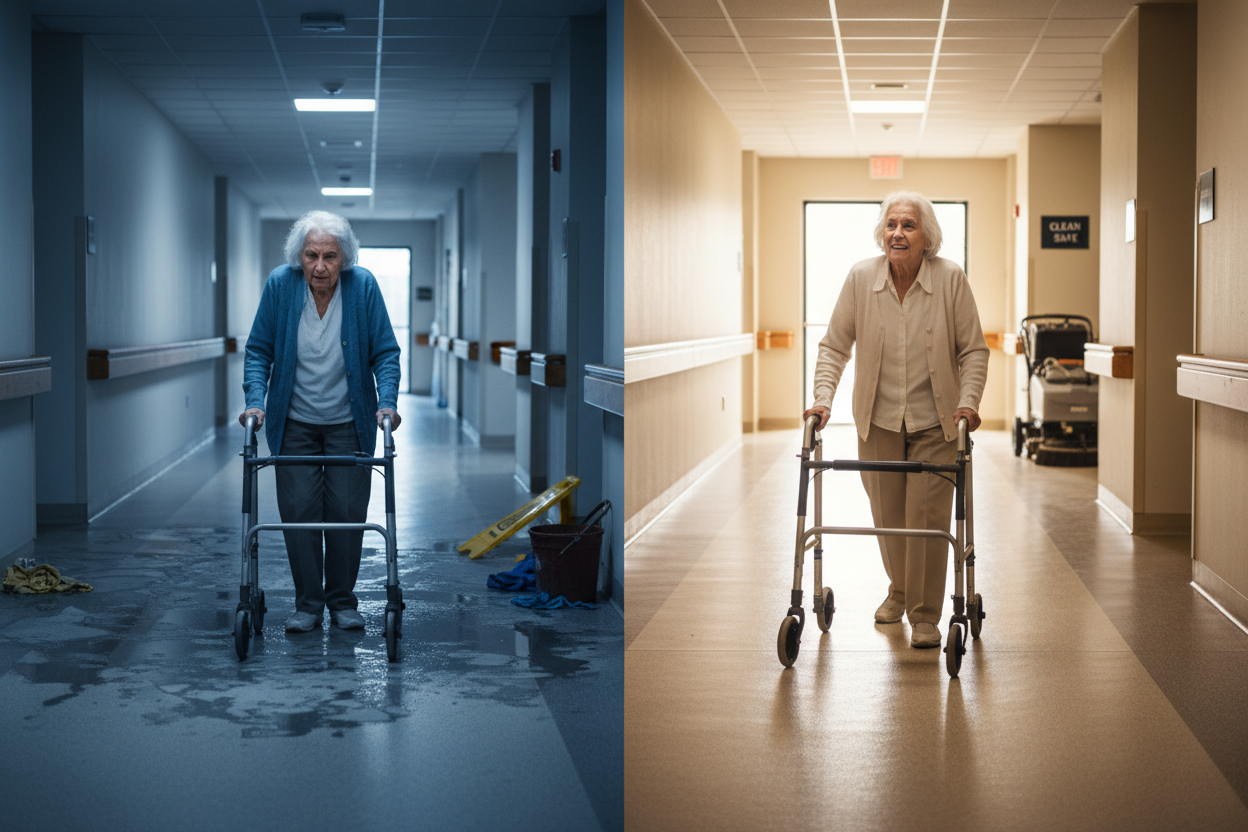
When my grandmother moved into an assisted living facility five years ago, I never thought much about the floors beneath her feet. That changed quickly when she took a fall on a wet surface that hadn’t been properly maintained. This experience opened my eyes to just how critical proper flooring maintenance is in senior facilities – it’s literally a matter of safety, comfort, and quality of life for our most vulnerable residents. 🏥
Planning for flooring maintenance in senior facilities isn’t just about keeping things looking nice; it’s about creating a safe environment where elderly residents can move confidently without fear of slips, trips, or falls. The right maintenance strategy can prevent costly accidents, extend the life of your flooring investment, and ensure compliance with health and safety regulations.
Understanding the Unique Flooring Challenges in Senior Facilities
Senior facilities face distinct flooring challenges that differ significantly from other commercial spaces. The combination of mobility aids, medical equipment, frequent cleaning with strong disinfectants, and the vulnerability of elderly residents creates a perfect storm of wear and tear that demands specialized attention.
Residents using walkers, wheelchairs, and canes put different stress patterns on flooring materials. The constant movement of medical carts, beds, and emergency equipment creates additional wear points that require careful monitoring. Moreover, the need for frequent sanitization – especially heightened since COVID-19 – means floors are exposed to harsh chemicals that can break down protective coatings and sealers more quickly than in typical commercial settings.
The stakes are incredibly high when it comes to flooring failures in senior facilities. A loose tile, worn carpet edge, or slippery surface can result in serious injuries for residents whose bones may be more fragile and whose recovery times are longer. This reality makes preventive maintenance not just good business practice, but a moral imperative. 💙
Creating a Comprehensive Flooring Assessment Strategy
Before diving into maintenance planning, you need to understand exactly what you’re working with. A thorough flooring assessment should be your starting point, and it’s more complex than simply walking around with a clipboard.
Start by cataloging every type of flooring material in your facility. Most senior facilities have a mix of surfaces: vinyl or luxury vinyl plank in common areas, carpet in private rooms, ceramic or porcelain tile in bathrooms, and specialized slip-resistant flooring in kitchens and medical areas. Each material has different maintenance requirements, lifespans, and vulnerability points.
Document the age of each flooring section, as this will help you predict when replacements might be needed. Take detailed photos of current conditions, noting any areas of concern such as loose edges, staining, wear patterns, or damage. Pay special attention to transition areas between different flooring types, as these are often the first places where problems develop.
Consider traffic patterns carefully. The path from the main entrance to the dining room will see much heavier use than a quiet hallway leading to administrative offices. High-traffic areas will need more frequent maintenance and earlier replacement. Don’t forget to assess areas that might seem low-traffic but are critical for safety, such as emergency exit routes and pathways to medical facilities.
Developing Daily Maintenance Protocols That Actually Work
Daily maintenance is where the rubber meets the road – quite literally. The key to successful daily maintenance is creating protocols that are thorough enough to maintain safety and appearance, but realistic enough that your staff can actually follow them consistently.
Your daily cleaning routine should start with a systematic inspection. Train your housekeeping staff to look for more than just dirt and spills. They should be checking for loose tiles, fraying carpet edges, damaged transition strips, and any changes in floor level that could create trip hazards. This doesn’t require extensive training, but it does require consistent attention to detail.
Spill response protocols are absolutely critical in senior facilities. Every staff member should know the immediate steps for dealing with wet floors: secure the area, clean the spill properly, and ensure the surface is completely dry before allowing resident access. Consider investing in quick-dry mopping systems and fans that can speed up the drying process. 🧽
The timing of daily maintenance matters more in senior facilities than in other environments. Avoid wet mopping during peak activity hours when residents are moving to meals or activities. Early morning or late evening cleaning schedules often work best, but you’ll need to balance this with staffing considerations and resident sleep schedules.
Weekly and Monthly Deep Maintenance Schedules
While daily maintenance focuses on immediate safety and cleanliness, your weekly and monthly schedules should address the deeper maintenance needs that keep flooring in optimal condition over the long term.
Weekly maintenance should include more intensive cleaning of high-traffic areas, detailed inspection of transition zones, and attention to areas that daily cleaning might miss. This is when you’ll want to move furniture to clean underneath, pay special attention to corners and edges, and perform any necessary spot treatments for stains or wear marks.
Monthly maintenance is your opportunity for more comprehensive care. This might include professional carpet cleaning in resident rooms, deep scrubbing and resealing of tile grout, polishing of hard surface floors, and thorough inspection of all flooring for signs of wear or damage that might require professional attention.
Don’t overlook the importance of documenting these maintenance activities. Keep detailed records of what was done, when, and by whom. Note any problems discovered and actions taken. This documentation will be invaluable for tracking patterns, planning future maintenance, and demonstrating compliance with regulations during inspections.
Seasonal Maintenance Considerations for Senior Facilities
Seasonal changes bring unique challenges to senior facility flooring maintenance. Winter months often mean dealing with salt, snow, and increased moisture from wet boots and umbrellas. The entrance areas will take a beating, and you’ll need to be extra vigilant about slip hazards from tracked-in moisture.
Spring is an excellent time for deep cleaning and restoration projects. The milder weather makes it easier to open windows for ventilation during intensive cleaning or refinishing projects. It’s also a good time to assess any damage from the harsh winter months and plan for repairs or replacements.
Summer’s higher humidity levels can affect certain flooring materials, particularly wood and some carpet adhesives. You might need to adjust your cleaning chemicals or schedules to account for these conditions. It’s also often the best time for major flooring projects, as the warmer weather and longer daylight hours provide optimal conditions for installation and curing.
Fall maintenance should focus on preparing for winter. This includes deep cleaning entrance areas, checking and replacing weather stripping, and ensuring that all flooring transitions are secure and in good condition before the challenging winter months arrive. 🍂
Budgeting for Long-term Flooring Maintenance Success
One of the biggest mistakes facilities make is treating flooring maintenance as an afterthought in the budget process. Proper maintenance planning requires dedicated funding, and the cost of prevention is always lower than the cost of replacement or, worse, the cost of resident injuries.
Start by calculating the replacement value of all your flooring. This gives you a baseline for understanding the asset you’re protecting. A good rule of thumb is to budget 2-5% of the replacement value annually for maintenance, but senior facilities often need to be on the higher end of this range due to the intensive use and safety requirements.
Don’t forget to factor in the hidden costs of flooring problems. When a section of flooring needs emergency replacement, you’re not just paying for materials and labor – you’re also dealing with resident displacement, potential liability issues, and the disruption to facility operations. These costs can easily exceed the price of proactive maintenance.
Consider establishing a dedicated flooring reserve fund. This allows you to address problems quickly when they arise and take advantage of bulk purchasing opportunities for materials and services. It also demonstrates to residents, families, and regulatory bodies that you’re serious about maintaining a safe environment.
Staff Training and Safety Protocols
Even the best maintenance plan is only as good as the people implementing it. Proper staff training is essential for successful flooring maintenance in senior facilities, and it goes beyond basic cleaning techniques.
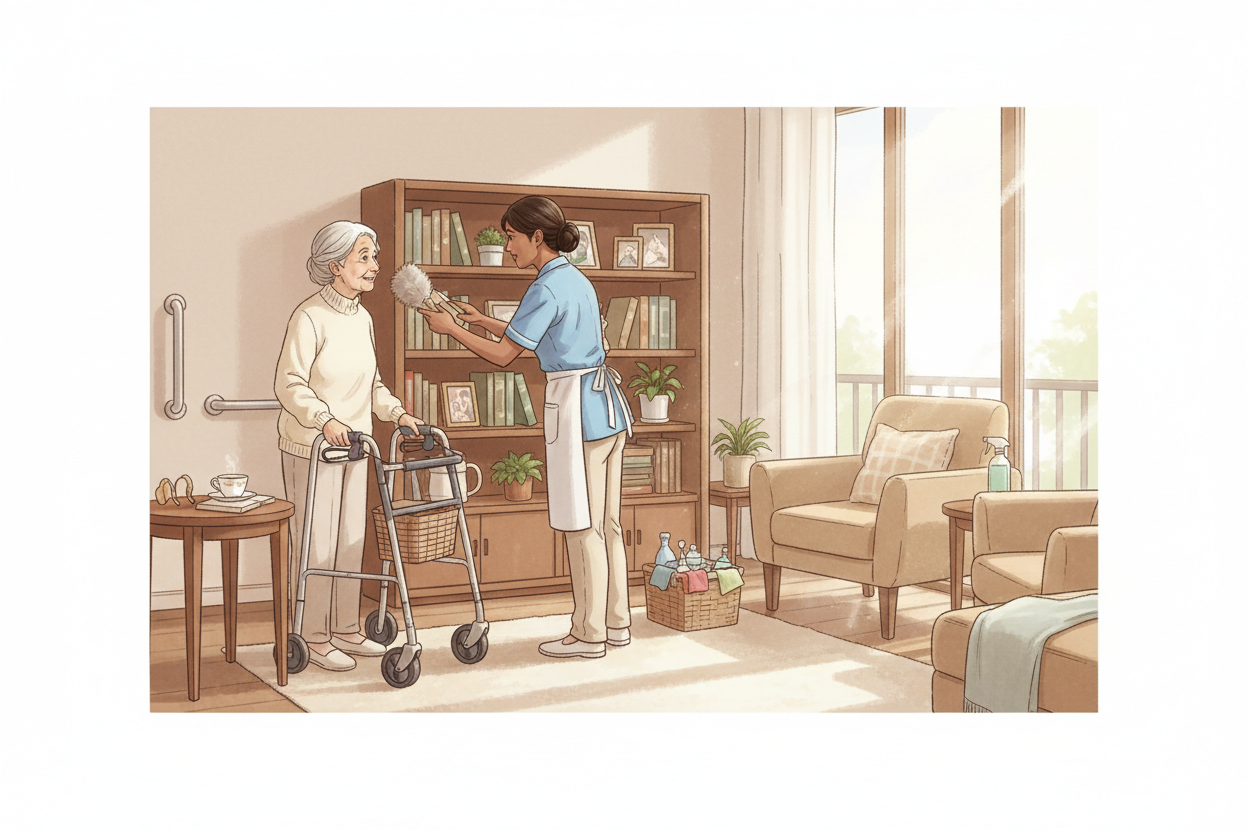
Your housekeeping staff should understand the specific needs of elderly residents. They need to know how to work around mobility aids, how to communicate with residents who might have hearing or cognitive impairments, and how to maintain safety while performing their duties. This might mean learning to clean around a resident who’s using a walker, or understanding that some residents might not hear warnings about wet floors.
Cross-training is particularly valuable in senior facilities. Nurses and care staff who understand basic flooring safety can spot potential problems during their regular duties. Maintenance staff who understand the specific challenges of working in a senior environment can be more effective in their roles.
Regular safety meetings should include discussions about flooring-related incidents and near-misses. This creates a culture where everyone feels responsible for flooring safety, not just the housekeeping department. When staff members feel empowered to report problems and suggest improvements, your maintenance program becomes much more effective. 👥
Technology and Innovation in Senior Facility Flooring Maintenance
The world of flooring maintenance is evolving rapidly, and senior facilities can benefit from embracing new technologies and approaches. Modern cleaning equipment designed specifically for healthcare environments can improve both efficiency and effectiveness.
Automated scrubbing systems can provide more consistent cleaning while reducing the physical strain on staff. Some newer systems include sensors that can detect when floors are properly clean and dry, reducing the risk of leaving surfaces slippery. UV sanitizing equipment has become more common since COVID-19, offering an additional layer of cleanliness that’s particularly important in senior facilities.
Digital maintenance tracking systems can help you stay on top of schedules, track problems, and analyze patterns over time. Some facilities are experimenting with IoT sensors that can detect moisture levels or changes in floor conditions, providing early warning of potential problems.
Don’t overlook the potential of new flooring materials designed specifically for senior environments. Advances in slip-resistant surfaces, antimicrobial treatments, and easy-maintenance materials can reduce your long-term maintenance burden while improving safety for residents.
Conclusion
Planning for flooring maintenance in senior facilities is both an art and a science. It requires understanding the unique needs of elderly residents, the specific challenges of the senior care environment, and the long-term implications of maintenance decisions. But when done well, it creates a foundation – quite literally – for a safe, comfortable, and dignified living environment for our seniors.
The investment in proper flooring maintenance pays dividends in resident safety, staff efficiency, regulatory compliance, and long-term cost control. More importantly, it demonstrates a commitment to the well-being of the people who call your facility home.
Remember that flooring maintenance is an ongoing journey, not a destination. Conditions change, materials age, and new challenges arise. The key is to remain vigilant, stay informed about best practices, and never lose sight of the ultimate goal: providing a safe, comfortable environment where seniors can live with dignity and peace of mind. 🏠
By implementing comprehensive maintenance planning, investing in proper training and equipment, and maintaining a focus on safety above all else, you can ensure that the floors in your senior facility continue to provide a solid foundation for quality care for years to come.
Call Us Now!