 Skip to content

How to Personalize Flooring Choices for Individual Resident Needs 🏠
Choosing the right flooring isn’t just about what looks good in a magazine or what’s trending on social media. It’s about creating a foundation that truly works for the people who call that space home. Whether you’re a property manager overseeing multiple units, a healthcare facility administrator, or simply someone helping a loved one make their living space more comfortable, personalizing flooring choices can make an incredible difference in daily life quality and safety.
The truth is, one size definitely doesn’t fit all when it comes to flooring. A young professional’s needs differ vastly from those of a senior citizen, and someone with mobility challenges requires entirely different considerations than an active family with pets. Let’s dive into how you can make flooring decisions that truly serve individual needs while maintaining practicality and style.
Understanding Individual Lifestyle Requirements 🎯
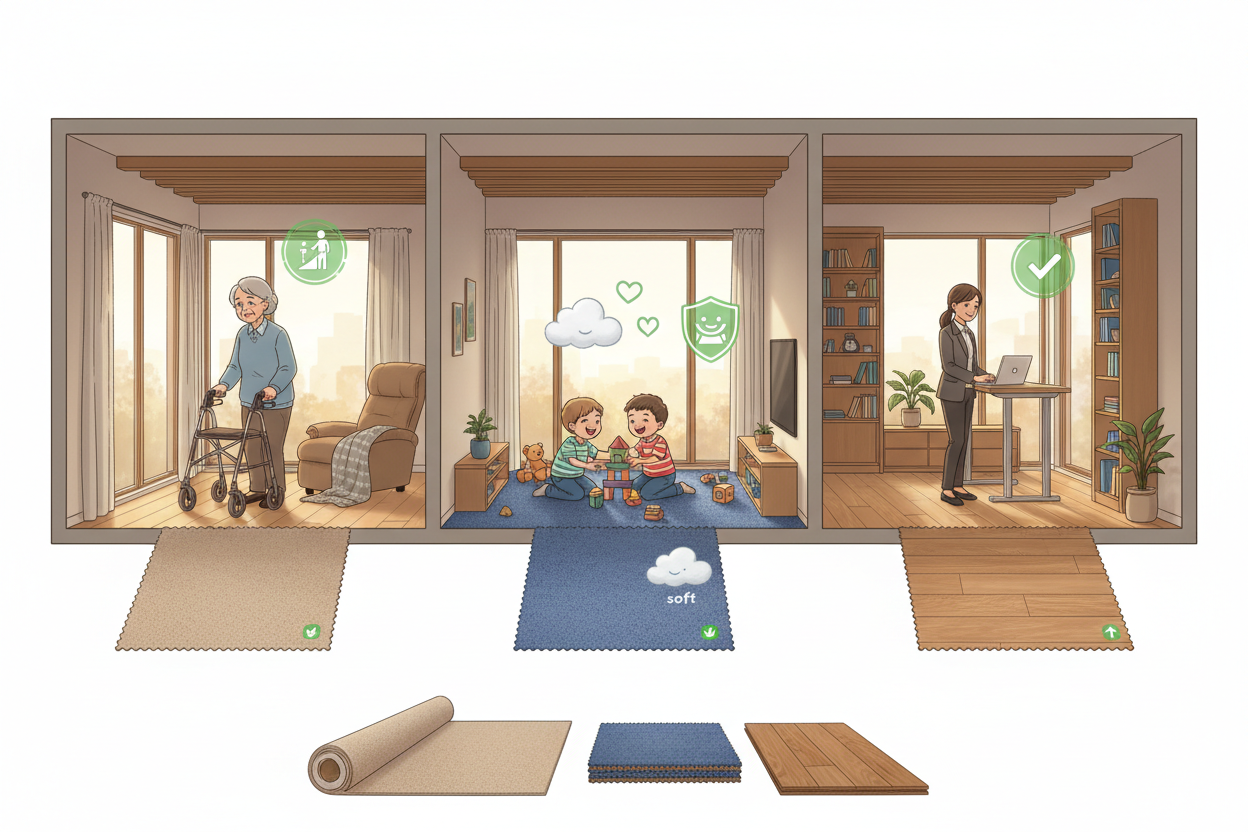
Before you even start looking at samples or browsing online catalogs, take a step back and really consider who will be using the space daily. This isn’t just about age demographics – it’s about understanding the full picture of someone’s lifestyle, habits, and daily routines.
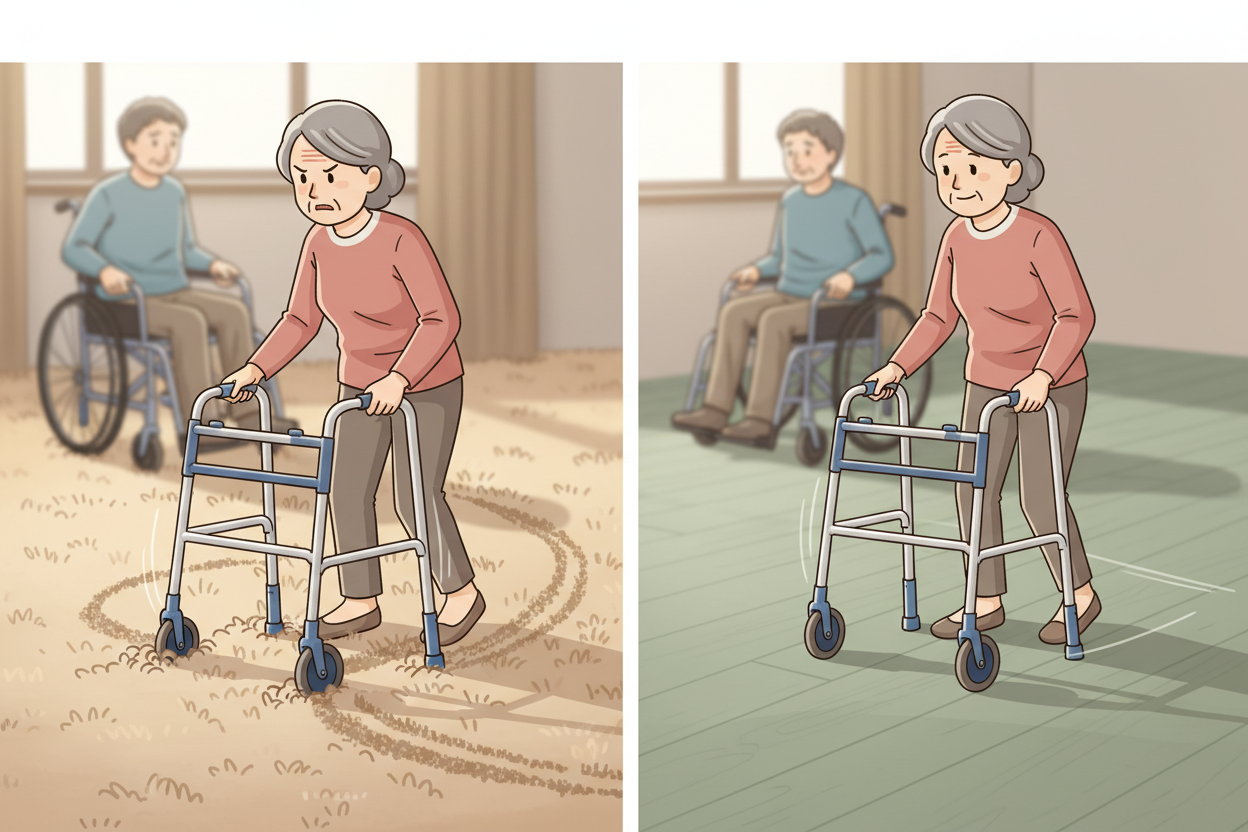
Think about mobility patterns first. Does the resident use a wheelchair, walker, or cane? Do they have balance issues that require extra stability? These factors immediately narrow down your options to surfaces that provide excellent traction and smooth transitions between rooms. Carpet might seem cozy, but it can be a nightmare for wheelchair users, while highly polished hardwood could create slip hazards for those with stability concerns.
Consider daily activities too. Someone who loves to cook might spend hours standing in the kitchen, making comfort underfoot a priority. An artist working from home might need flooring that can handle paint spills and heavy easels. Pet owners require surfaces that resist scratches and are easy to clean when accidents happen.
Don’t forget about sensory preferences either. Some people find the echo of hard surfaces overwhelming, while others feel claustrophobic with too much carpet. Temperature sensitivity matters too – someone who runs cold might prefer the warmth of carpet or cork, while others might love the cooling effect of tile or concrete.
Age-Specific Flooring Considerations 👥
Age brings unique challenges and preferences that smart flooring choices can address beautifully. For seniors, safety often tops the priority list, but that doesn’t mean sacrificing style or comfort.
Older adults typically benefit from flooring with slight texture for grip but not so much that it becomes difficult to clean or creates tripping hazards. Luxury vinyl planks have become incredibly popular in senior living communities because they offer the warmth and appearance of wood with better slip resistance and easier maintenance than traditional hardwood.
Joint comfort becomes increasingly important with age. Standing on hard surfaces for extended periods can be painful, making cushioned options like quality carpet padding or cork flooring excellent choices for bedrooms and living areas. However, bathrooms and kitchens still need water-resistant options – this is where textured ceramic tiles or slip-resistant luxury vinyl really shine.
For younger residents, durability and style often take precedence. They might be more willing to trade some comfort for trendy concrete floors or dramatic dark hardwood, especially if they’re not dealing with mobility issues. However, don’t assume all young people want hard surfaces – many appreciate the sound dampening and cozy feel of carpet, especially in apartments where noise control matters.
Families with children need flooring that can handle spills, scratches, and the general chaos that comes with active kids. This often means choosing surfaces that are both durable and forgiving – nobody wants their child to get seriously hurt from a fall on unforgiving tile.
Mobility and Accessibility Features 🦽
When mobility assistance devices are part of daily life, flooring becomes a crucial accessibility feature rather than just a design choice. The wrong flooring can turn a home into an obstacle course, while the right choice creates freedom and independence.
Wheelchair users need smooth, firm surfaces that allow easy rolling without creating excessive resistance. This typically means avoiding thick carpets, but it doesn’t eliminate all soft flooring options. Low-pile commercial-grade carpets can work well, especially with quality padding underneath. The key is ensuring wheels can move easily without getting stuck or requiring excessive effort.
Transitions between different flooring types need special attention. Even small lips or height differences can become major obstacles for wheels or walkers. Planning for smooth transition strips or, better yet, using the same flooring throughout main living areas can eliminate these barriers entirely.
For those using walkers or canes, stability becomes the primary concern. Surfaces need enough texture to prevent slipping but not so much that mobility aids get caught. Matte-finish tiles, textured luxury vinyl, or low-pile carpets often provide the ideal balance.
Don’t overlook the importance of visual contrast for those with vision impairments. Clear definition between different areas through color or texture changes can help with navigation, while avoiding busy patterns that might be confusing or disorienting.
Health and Allergy Considerations 🌿
For residents dealing with allergies, asthma, or other respiratory issues, flooring choices can significantly impact daily comfort and health. Traditional wisdom might suggest that hard surfaces are always better for allergies, but the reality is more nuanced.
Hard surfaces like tile, hardwood, or luxury vinyl are indeed easier to keep completely clean and don’t harbor dust mites like carpet can. However, they also don’t trap airborne allergens the way carpet does – meaning particles can stay airborne longer and be more easily inhaled. For some people, this makes carpet actually preferable, as long as it’s maintained properly with regular deep cleaning.
If choosing carpet for someone with allergies, opt for low-pile styles with synthetic fibers rather than wool, and ensure high-quality padding that won’t break down and create additional particles. Some newer carpets are specifically designed to trap allergens until they can be vacuumed away.
Chemical sensitivities are another important consideration. Some people react to the adhesives used in certain flooring installations or the off-gassing from new synthetic materials. Natural options like solid hardwood, natural stone, or cork might be better choices, though they often come with higher price tags and specific maintenance requirements.
Antimicrobial properties can be crucial in healthcare settings or for individuals with compromised immune systems. Many luxury vinyl products now include antimicrobial treatments, and some tile options naturally resist bacterial growth.
Budget-Friendly Personalization Options 💰
Personalizing flooring doesn’t have to break the bank, but it does require smart planning and creative thinking. The key is identifying which features are absolute necessities versus nice-to-haves, then finding cost-effective ways to address the must-haves.
Luxury vinyl has revolutionized budget-friendly personalization because it can mimic almost any look while providing practical benefits like water resistance and easy maintenance. You can find options that look like expensive hardwood, natural stone, or even fabric textures at a fraction of the cost of the real thing.
Consider phased approaches for larger projects. You might start with the most critical areas – like bathrooms for safety or bedrooms for comfort – then tackle other spaces over time as budget allows. This also gives you a chance to see how well your choices work in practice before committing to the entire space.
Area rugs can be game-changers for personalizing hard flooring without major renovation costs. They add warmth, comfort, and slip resistance where needed while allowing easy changes as needs evolve. Just make sure to choose rugs with non-slip backing or add grip pads underneath for safety.
Don’t overlook the power of professional installation even with budget materials. Proper installation can make inexpensive flooring look and perform much better, while poor installation can ruin even premium materials. Sometimes it’s worth spending less on materials to ensure professional installation quality.
Professional Assessment and Installation Tips 🔧
While DIY projects can be tempting, flooring that needs to meet specific accessibility or health requirements often benefits from professional assessment and installation. A qualified flooring contractor can spot potential issues you might miss and ensure that safety features work as intended.
Start with a thorough consultation that covers not just current needs but potential future changes. A good professional will ask about mobility trends, health conditions, and lifestyle changes that might be coming. They should also assess the subfloor condition and recommend any necessary preparations to ensure optimal performance.
When working with professionals, be specific about your needs rather than just showing pictures of what you like. Explain the daily routines, mobility requirements, and any safety concerns upfront. This helps them recommend products and installation techniques that truly serve your situation.
Don’t be afraid to ask for references from similar projects. If you’re choosing flooring for a senior resident, ask to speak with other clients who’ve done similar work. Most reputable contractors are happy to provide references and might even arrange site visits to see their work in action.
Timing can be crucial, especially for residents with mobility challenges. Plan installation during times when alternative arrangements are possible, and ensure the work area will be safe and accessible throughout the process. Some installations can be done in phases to minimize disruption.
Long-Term Maintenance and Adaptability 🔄
The best personalized flooring choice is one that continues to meet needs over time, which means thinking beyond the initial installation to long-term maintenance and potential adaptability.
Consider how maintenance requirements fit with current and potential future capabilities. Someone who enjoys detailed cleaning now might not be able to maintain high-maintenance surfaces later. Choose options that can either be easily maintained by the resident or professionally serviced without major disruption.
Think about how the flooring might need to adapt as needs change. Modular options like luxury vinyl planks can be partially replaced if damaged, while seamless installations might require complete replacement. Some carpet tiles allow for easy replacement of high-wear or stained sections without redoing entire rooms.
Plan for technology integration too. Under-floor heating systems can be incredibly beneficial for residents with circulation issues, but they need to be considered during initial installation. Smart home sensors for fall detection or air quality monitoring might also influence flooring choices.
Regular maintenance schedules become even more important when flooring serves specific health or safety functions. Set up systems for professional deep cleaning, safety inspections, and preventive maintenance that ensure the flooring continues to perform as intended.
Conclusion: Creating Floors That Truly Serve ✨
Personalizing flooring choices for individual resident needs isn’t just about picking pretty colors or following design trends – it’s about creating foundations that support daily life, enhance safety, and contribute to overall well-being. The investment in thoughtful flooring selection pays dividends in comfort, independence, and quality of life.
Remember that the best flooring choice is the one that serves the person using it every single day. This might mean choosing practical luxury vinyl over beautiful hardwood, or investing in premium carpet padding for joint comfort over trendy concrete floors. The goal is creating spaces where residents can thrive, not just survive.
Take time to really understand individual needs, consult with professionals when necessary, and don’t be afraid to prioritize function over form when safety and health are at stake. With careful planning and thoughtful selection, personalized flooring can transform any space into a true home that supports its residents for years to come. 🏡
Call Us Now!