 Skip to content

How to Incorporate Biophilic Design in Nursing Home Flooring: Creating Healing Spaces That Connect Seniors with Nature 🌿
Imagine walking into a nursing home where the flooring doesn’t just serve a functional purpose, but actually helps residents feel more connected to the natural world around them. This isn’t just a beautiful dream—it’s the reality that biophilic design can create in senior care facilities. As we spend more time indoors, especially our elderly population, the need to bring nature inside has become more crucial than ever.
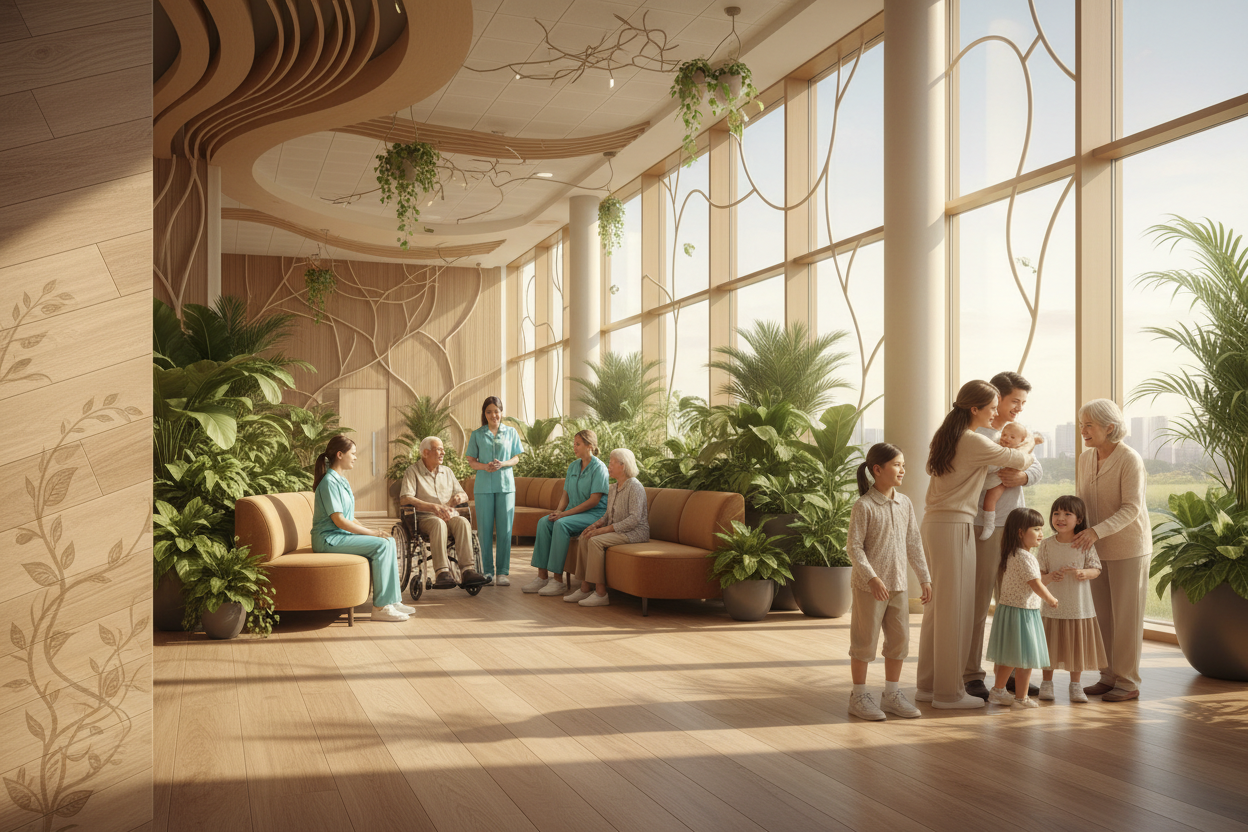
Biophilic design, which literally means “love of life,” focuses on our innate connection to nature and how we can incorporate natural elements into built environments. When it comes to nursing home flooring, this design philosophy can transform sterile, institutional spaces into warm, healing environments that promote both physical and mental wellbeing. Let’s explore how you can revolutionize your facility’s flooring to create spaces that truly nurture the human spirit. 🏡
Understanding Biophilic Design Principles in Healthcare Settings
Before diving into specific flooring solutions, it’s essential to understand what makes biophilic design so powerful in healthcare environments. Research consistently shows that exposure to natural elements can reduce stress hormones, lower blood pressure, and improve overall mood—benefits that are particularly valuable for elderly residents who may be dealing with health challenges or feelings of isolation.
The core principles of biophilic design include direct nature connection (actual plants, water, animals), indirect nature connection (natural materials, views, patterns), and spatial configuration that mimics natural environments. When applied to flooring, these principles can create surfaces that don’t just look beautiful but actively contribute to resident wellbeing.
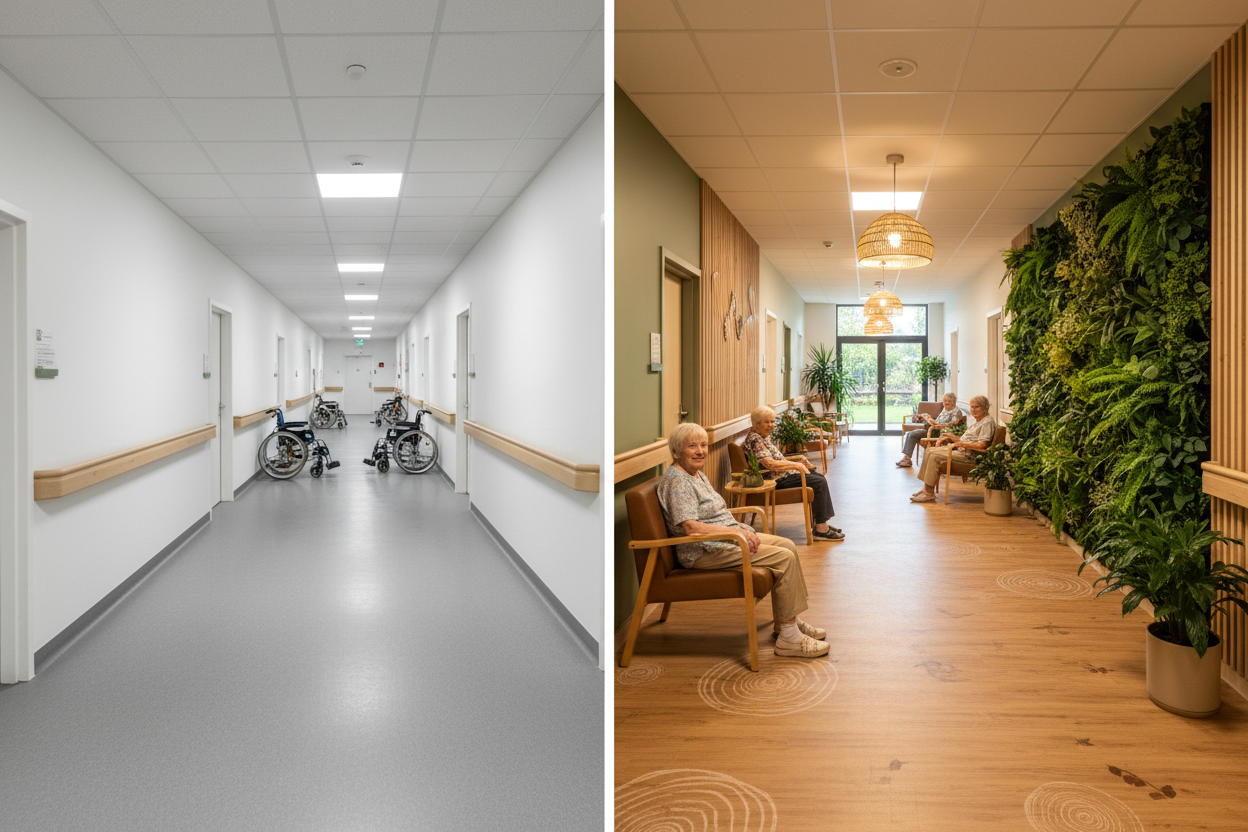
In nursing homes, flooring covers vast areas and significantly impacts the overall atmosphere. Unlike a small accent wall or decorative element, flooring is something residents interact with constantly—they walk on it, see it, and experience it throughout their daily routines. This makes it an incredibly powerful tool for implementing biophilic design principles. 🌱
Natural Material Options for Nursing Home Flooring
When selecting natural materials for nursing home flooring, the balance between aesthetics and practicality becomes crucial. Fortunately, modern flooring technology has made it possible to enjoy the benefits of natural materials while meeting the strict safety and hygiene requirements of healthcare facilities.
Luxury vinyl planks (LVP) with wood-look designs have revolutionized healthcare flooring. These products capture the warmth and visual appeal of natural hardwood while providing waterproof, antimicrobial surfaces that can withstand heavy foot traffic and frequent cleaning. The key is choosing products with high-definition printing that accurately reproduces the grain patterns, color variations, and textures found in real wood.
Natural stone patterns in porcelain and ceramic tiles offer another excellent option. These materials can replicate the beauty of marble, travertine, or slate while providing the durability and easy maintenance that nursing homes require. The cool, smooth surface of stone-look flooring can be particularly appealing in warmer climates or areas with lots of natural light.
Cork flooring deserves special mention for its unique properties. This renewable material provides natural antimicrobial benefits, excellent sound absorption, and a warm, comfortable surface underfoot. Modern cork products come in various colors and patterns, including options that mimic traditional hardwood while offering superior comfort for residents who may spend extended time on their feet. 🍃
Incorporating Natural Patterns and Textures
Nature rarely creates perfectly uniform surfaces, and incorporating this natural variation into nursing home flooring can create more engaging, less institutional environments. Random plank layouts, mixed-width installations, and subtle color variations all contribute to a more organic, natural feeling.
Consider installing flooring in patterns that mimic natural formations. Herringbone patterns can evoke the structure of leaf veins or flowing water, while random stone patterns can recreate the organic layouts found in natural rock formations. These patterns add visual interest without creating the busy, overwhelming designs that might confuse residents with cognitive challenges.
Texture plays an equally important role in biophilic design. Subtle embossing that replicates wood grain, stone texture, or other natural surfaces provides tactile interest while maintaining the smooth, safe surfaces required in healthcare settings. Hand-scraped wood looks, wire-brushed textures, and natural stone variations all contribute to a more authentic, natural feeling underfoot.
The scale of patterns matters too. Large-format tiles or planks can create a sense of openness and flow, while smaller elements might feel more intimate and residential. Consider how different areas of your facility might benefit from different approaches—common areas might use larger formats to enhance the sense of space, while private rooms might benefit from smaller, more intimate scaling. 🌊
Color Psychology in Biophilic Flooring Design
Color has a profound impact on mood and behavior, making it a crucial element in biophilic nursing home design. Natural color palettes derived from earth, water, and plant elements can create calming, restorative environments that support healing and wellbeing.
Warm earth tones like rich browns, warm tans, and deep honey colors can create feelings of stability and comfort. These colors work particularly well in common areas where residents gather, as they promote social interaction and create welcoming spaces. Cooler tones inspired by water and sky—soft blues, gentle greens, and misty grays—can be calming and refreshing, making them ideal for therapy areas or quiet spaces.
Green tones deserve special attention in healthcare settings. Research shows that green can reduce eye strain, promote relaxation, and even help with pain management. Sage greens, forest greens, and other natural green hues can be incorporated through flooring patterns that mimic grass, moss, or foliage.
It’s important to consider how colors will appear under different lighting conditions throughout the day. Natural light changes throughout the day, and artificial lighting can significantly alter how colors appear. Test your chosen flooring colors under various lighting conditions to ensure they maintain their calming, natural qualities regardless of the time of day or weather conditions. 🌈
Creating Seamless Indoor-Outdoor Connections
One of the most powerful aspects of biophilic design is creating visual and physical connections between indoor and outdoor spaces. In nursing homes, this connection can be particularly meaningful for residents who may have limited access to outdoor areas.
Consider extending similar flooring materials from interior spaces onto covered patios, sunrooms, or enclosed courtyards. This creates a seamless flow that visually expands the space and reinforces the connection with nature. Porcelain tiles designed for both indoor and outdoor use make this transition possible while maintaining consistent aesthetics.
Large windows and glass doors provide opportunities to align interior flooring with outdoor views. If your facility overlooks gardens, water features, or natural landscapes, choose flooring colors and patterns that complement these views rather than competing with them. This creates a harmonious relationship between the built and natural environments.
Transition zones between different areas can also reinforce natural themes. Consider using different flooring materials or patterns to define spaces while maintaining the overall biophilic design theme. For example, a stone-look pattern might define the entrance area, transitioning to wood-look planks in residential corridors, and perhaps cork or bamboo-look flooring in therapy areas. 🚪
Safety Considerations in Natural Design Elements
While aesthetics are important, safety must always be the top priority in nursing home flooring design. Fortunately, incorporating biophilic elements doesn’t mean compromising on safety—in fact, natural design elements can often enhance safety when properly implemented.
Slip resistance is crucial in healthcare settings, and many natural-look flooring materials offer excellent traction properties. Textured surfaces that mimic natural materials can provide better grip than smooth, polished surfaces while still maintaining the easy cleaning properties required in healthcare facilities.
Color contrast and pattern selection can actually improve safety by helping residents with vision challenges navigate more easily. Natural wood grain patterns can provide subtle directional cues, while color changes between different areas can help residents orient themselves within the facility.
Consider the acoustic properties of your flooring choices as well. Natural materials like cork offer excellent sound absorption, reducing noise levels that can be stressful for residents. Even synthetic materials can be selected for their acoustic properties, with many luxury vinyl products offering built-in sound dampening features.
Edge details and transitions between different flooring materials need special attention in healthcare settings. Smooth, beveled edges and properly installed transition strips prevent tripping hazards while maintaining the visual flow of your biophilic design. 🛡️
Maintenance and Longevity of Natural-Look Flooring
The long-term success of any nursing home flooring project depends on selecting materials that can maintain their appearance and performance over time. Fortunately, modern manufacturing techniques have created natural-look flooring options that are actually more durable and easier to maintain than many traditional materials.
High-quality luxury vinyl planks and tiles often come with wear layers and protective coatings that resist staining, scratching, and fading. These products can maintain their natural appearance for decades with proper care, making them excellent long-term investments for healthcare facilities.
Porcelain and ceramic tiles with natural patterns offer exceptional durability and can withstand the heavy cleaning protocols required in healthcare settings. Unlike natural stone, these products don’t require sealing and are naturally resistant to bacteria and moisture.
When selecting products, look for those with antimicrobial properties built into the material itself. Many modern flooring products incorporate silver ions or other antimicrobial agents that provide ongoing protection against bacteria and other pathogens, supporting the health and safety of residents and staff.
Consider the lifecycle costs of your flooring choices as well. While natural-look products might have higher upfront costs than basic commercial flooring, their durability, easy maintenance, and positive impact on resident wellbeing often provide excellent return on investment over time. 💰
Implementation Strategies for Maximum Impact
Successfully implementing biophilic flooring design requires careful planning and consideration of how different areas within your facility serve different purposes. Start by identifying key areas where residents spend the most time and where natural elements would have the greatest impact.
Common areas, dining rooms, and main corridors are excellent places to make bold biophilic statements with your flooring choices. These high-traffic areas provide opportunities to create memorable impressions while serving many residents throughout the day.
Private resident rooms might benefit from more subtle natural elements that create calming, personal environments. Consider offering residents choices in flooring patterns or colors for their personal spaces, allowing them to customize their environment within your overall design framework.
Therapy areas and activity rooms can incorporate flooring that supports their specific functions while maintaining biophilic principles. For example, physical therapy areas might use flooring with subtle directional patterns that can assist with exercises, while art therapy rooms might feature flooring that complements creative activities.
Don’t forget about service areas and staff spaces. While these areas might not be primary resident spaces, incorporating biophilic elements throughout the facility creates a more cohesive, pleasant environment for everyone who works and lives there. Happy, comfortable staff provide better care, making this investment beneficial for everyone. ✨
Conclusion
Incorporating biophilic design principles into nursing home flooring represents more than just an aesthetic choice—it’s an investment in the wellbeing and quality of life of the residents who call your facility home. By thoughtfully selecting natural materials, patterns, and colors, you can create environments that support healing, reduce stress, and promote a sense of connection with the natural world.
The key to success lies in balancing the desire for natural beauty with the practical requirements of healthcare facilities. Modern flooring technology makes this balance not only possible but highly effective, offering products that capture the essence of nature while providing the safety, durability, and hygiene properties that nursing homes require.
Remember that biophilic design is about more than just appearance—it’s about creating spaces that support human wellbeing at a fundamental level. When residents feel more comfortable, relaxed, and connected to nature, the benefits extend to their families, caregivers, and the entire facility community. By starting with flooring as your foundation, you’re taking the first step toward creating truly therapeutic environments that honor both the practical needs and the human spirit of those in your care. 🏠💚
Call Us Now!