 Skip to content

How to Ensure Flooring Meets the Needs of Diverse Resident Populations 🏠
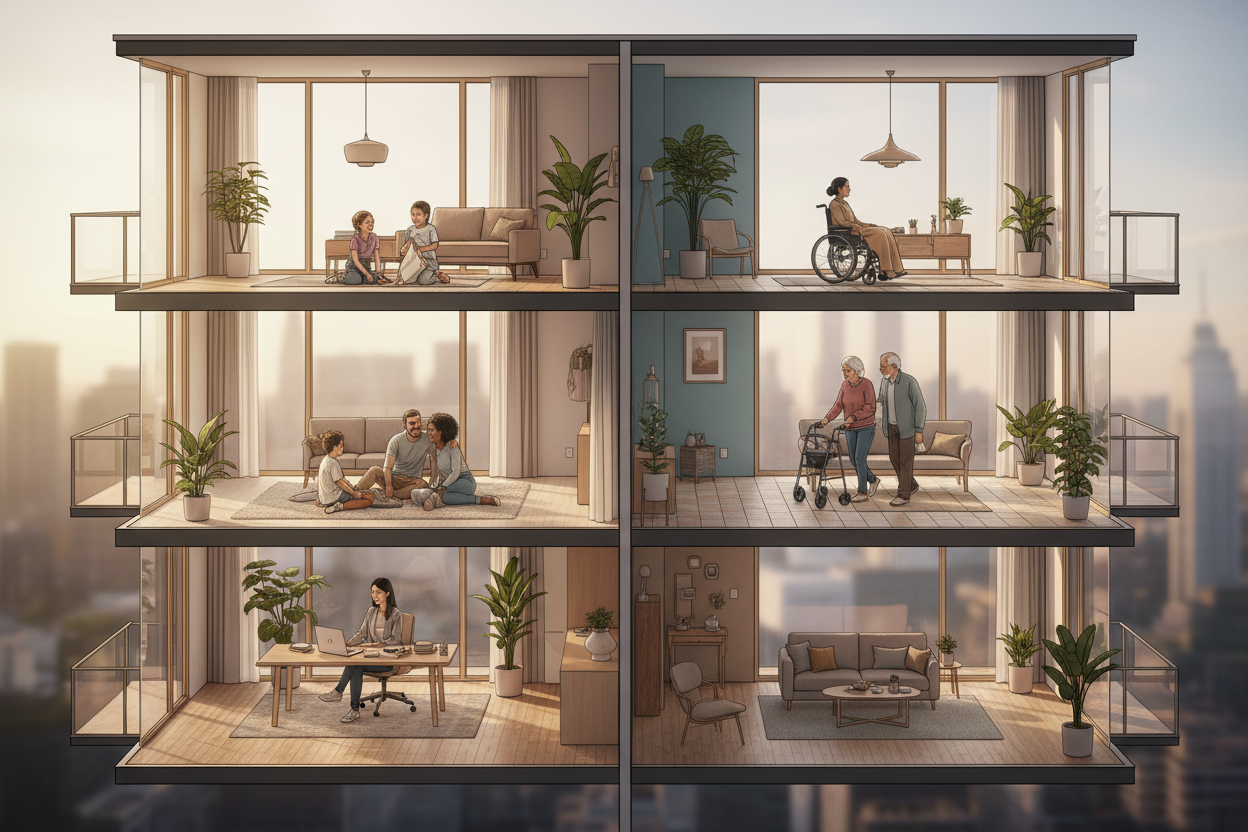
When you walk into any residential building today, you’re likely to encounter a beautifully diverse community of residents. From young professionals to growing families, from seniors aging in place to individuals with mobility challenges, modern housing serves an incredibly varied population. As property managers, architects, and developers, one of our most crucial responsibilities is ensuring that every design choice—especially something as fundamental as flooring—works for everyone who calls that space home.
The floor beneath our feet might seem like a simple design decision, but it’s actually one of the most impactful choices we can make for resident comfort, safety, and satisfaction. Let’s dive into how thoughtful flooring selection can create spaces that truly welcome and accommodate diverse resident populations. 🌟
Understanding Your Resident Demographics and Their Unique Flooring Needs
Before selecting any flooring material, successful property managers take time to really understand who lives in their buildings. This isn’t just about collecting demographic data—it’s about understanding the lived experiences of your residents and how flooring choices impact their daily lives.
Consider Sarah, a working mother with two young children under five. Her flooring needs center around durability, easy cleanup, and safety for little ones who are still mastering walking and running. Then there’s Robert, a 72-year-old retiree who uses a walker. His priorities focus on slip resistance, smooth transitions between rooms, and surfaces that won’t cause fatigue during daily activities.
Young professionals might prioritize style and modern aesthetics, while families with pets need materials that can withstand scratches and accidents. Residents with allergies require hypoallergenic options, and those with hearing sensitivities benefit from sound-dampening materials. The key is recognizing that one size definitely doesn’t fit all when it comes to flooring solutions.
Accessibility-First Flooring Solutions for All Mobility Levels
Creating truly accessible flooring starts with understanding that accessibility benefits everyone, not just those with obvious mobility challenges. Universal design principles should guide every flooring decision, ensuring that spaces remain comfortable and navigable for residents of all ages and abilities.
Smooth, level transitions between different flooring types are absolutely essential. Even a small lip or uneven surface can become a significant barrier for someone using a wheelchair, walker, or even just carrying heavy groceries. When transitioning from tile to carpet or hardwood to vinyl, invest in quality transition strips that create seamless pathways throughout the living space.
Slip resistance deserves special attention, particularly in areas prone to moisture like entryways, kitchens, and bathrooms. Look for flooring materials with textured surfaces or anti-slip coatings that provide traction without being difficult to clean or uncomfortable for bare feet. Remember that what feels secure to a steady young adult might feel treacherous to someone with balance concerns.
Consider the physical effort required for different flooring types. While plush carpeting might feel luxurious, it can be exhausting for residents using mobility aids. Medium-pile carpets or hard surface floors with area rugs often provide the best balance of comfort and accessibility. 🦽
Durability and Maintenance Requirements for High-Traffic Areas
Residential buildings with diverse populations often experience varied usage patterns that can really put flooring to the test. High-traffic areas like lobbies, hallways, and community spaces need materials that can handle everything from stiletto heels to mobility scooters, from delivery carts to children’s bicycles.
Luxury vinyl plank (LVP) and luxury vinyl tile (LVT) have become increasingly popular choices for their remarkable durability and realistic appearance. These materials can withstand heavy foot traffic while maintaining their appearance, and they’re available in styles that mimic everything from hardwood to natural stone. The waterproof nature of quality vinyl products makes them particularly suitable for areas where spills and moisture are common concerns.
When evaluating durability, don’t just consider immediate wear—think about long-term maintenance requirements. A flooring material might be incredibly durable but require specialized cleaning products or professional maintenance that strains your budget. The best choices for diverse resident populations are those that maintain their appearance and functionality with regular, straightforward cleaning routines that your maintenance team can easily manage.
Pay attention to warranty terms and manufacturer recommendations for commercial or multi-family use. Residential-grade materials might seem cost-effective initially, but they often can’t handle the demands of shared living spaces and may need replacement much sooner than expected.
Safety Considerations Across Different Age Groups and Physical Abilities
Safety isn’t just about preventing obvious accidents—it’s about creating an environment where every resident feels confident and secure in their daily movements. Different age groups and physical abilities present unique safety considerations that thoughtful flooring choices can address.
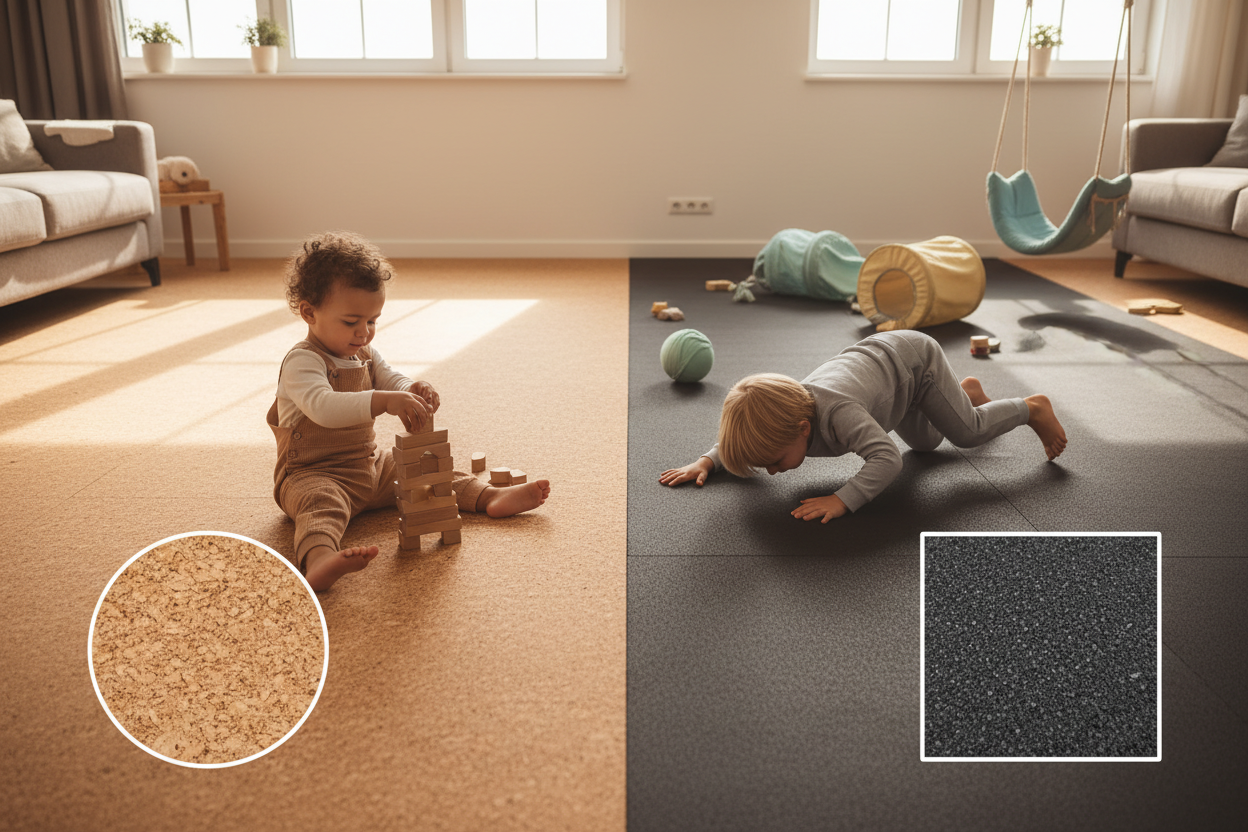
For families with young children, cushioned flooring options can provide important protection during those inevitable tumbles and falls that are part of growing up. Cork flooring offers natural antimicrobial properties and a softer surface that’s gentler on little knees and elbows. Rubber flooring, while less common in residential settings, can be an excellent choice for play areas or family rooms where children spend significant time on the floor.
Seniors and residents with mobility challenges benefit from flooring that provides visual contrast and clear definition between different areas. Avoid busy patterns that can create visual confusion or make it difficult to judge distances and depth. Solid colors or simple patterns with clear borders help residents navigate confidently through their living spaces.
Sound transmission is another crucial safety consideration. Hard surface floors can amplify sounds, potentially masking important audio cues like doorbells, phone calls, or emergency alarms. Strategic use of area rugs, carpet runners, or sound-absorbing underlayments can help create a more acoustically comfortable environment for residents with hearing impairments or sensitivities. 🔊
Budget-Friendly Options That Don’t Compromise on Quality
Creating inclusive, high-quality flooring solutions doesn’t have to break the budget. Smart material choices and strategic planning can deliver excellent results while maintaining financial responsibility to property owners and keeping housing costs reasonable for residents.
Laminate flooring has evolved significantly in recent years, offering impressive durability and appearance at a fraction of the cost of natural materials. Modern laminate products feature improved locking systems, better moisture resistance, and realistic textures that closely mimic hardwood or stone. For budget-conscious projects, quality laminate can provide an excellent foundation that meets diverse resident needs without compromising on safety or accessibility.
Consider the total cost of ownership when evaluating budget options. A slightly more expensive flooring material that lasts twice as long and requires half the maintenance might actually be the more economical choice over time. Factor in cleaning costs, replacement schedules, and potential liability issues when making budget decisions.
Phased installation approaches can help manage costs while still achieving comprehensive flooring improvements. Start with the highest-priority areas—those with the greatest safety concerns or heaviest use—and gradually update other spaces as budget allows. This approach also provides opportunities to evaluate how well chosen materials perform before committing to building-wide installations.
Sustainable and Eco-Friendly Flooring Choices for Health-Conscious Communities
Today’s residents are increasingly conscious of environmental impact and indoor air quality, making sustainable flooring choices both a practical necessity and a competitive advantage for residential properties. Eco-friendly options often align beautifully with the needs of diverse populations, offering health benefits alongside environmental responsibility.
Bamboo flooring represents an excellent sustainable choice that offers natural antimicrobial properties and impressive durability. As a rapidly renewable resource, bamboo appeals to environmentally conscious residents while providing a hard surface that’s suitable for residents with mobility aids. The natural variation in bamboo grain provides subtle visual interest without creating the busy patterns that can be problematic for residents with visual or cognitive challenges.
Cork flooring deserves special consideration for its unique combination of sustainability, comfort, and health benefits. Harvested from the bark of cork oak trees without harming the tree itself, cork is naturally antimicrobial, hypoallergenic, and provides excellent insulation properties. The slight cushioning effect of cork can reduce fatigue for residents who spend long periods standing or walking, while its natural slip resistance enhances safety. 🌱
When selecting sustainable options, look for certifications like FloorScore or Greenguard Gold that verify low chemical emissions. These certifications are particularly important for residents with chemical sensitivities, respiratory conditions, or compromised immune systems. Low-VOC (Volatile Organic Compound) materials contribute to better indoor air quality for everyone, but they’re especially crucial for vulnerable populations.
Conclusion
Creating flooring solutions that truly serve diverse resident populations requires thoughtful consideration of safety, accessibility, durability, and comfort. It’s about moving beyond one-size-fits-all approaches to embrace designs that welcome and accommodate the full spectrum of human experience and ability.
The most successful residential properties are those that recognize flooring as an investment in resident satisfaction and long-term property value. By prioritizing universal design principles, selecting materials that balance durability with comfort, and considering the unique needs of different age groups and abilities, property managers can create spaces where every resident feels at home.
Remember that the best flooring choices are those that fade into the background—supporting daily life without drawing attention to themselves through safety concerns, maintenance issues, or accessibility barriers. When residents can move confidently and comfortably through their living spaces, focusing on what matters most to them rather than navigating physical challenges, you’ve achieved the goal of truly inclusive design.
As our communities continue to evolve and diversify, our approach to flooring must evolve as well. By staying informed about new materials, technologies, and design principles, we can continue creating residential spaces that celebrate diversity while providing the safety, comfort, and accessibility that every resident deserves. 🏡
Call Us Now!