 Skip to content
How to Choose Flooring that Supports Cognitive Health in Memory Care
When designing spaces for memory care, every detail matters, from the color of the walls to the type of flooring used. Flooring can significantly impact the well-being and cognitive health of individuals in memory care settings. But how do you choose flooring that not only looks good but also supports cognitive health? Let’s dive into this important topic. 🏠
Understanding the Role of Flooring in Memory Care
Flooring is more than just a surface to walk on; it plays a crucial role in creating a safe and supportive environment for individuals with memory issues. The right flooring can help reduce anxiety, prevent falls, and even stimulate cognitive function. Here’s how flooring choices can impact cognitive health:
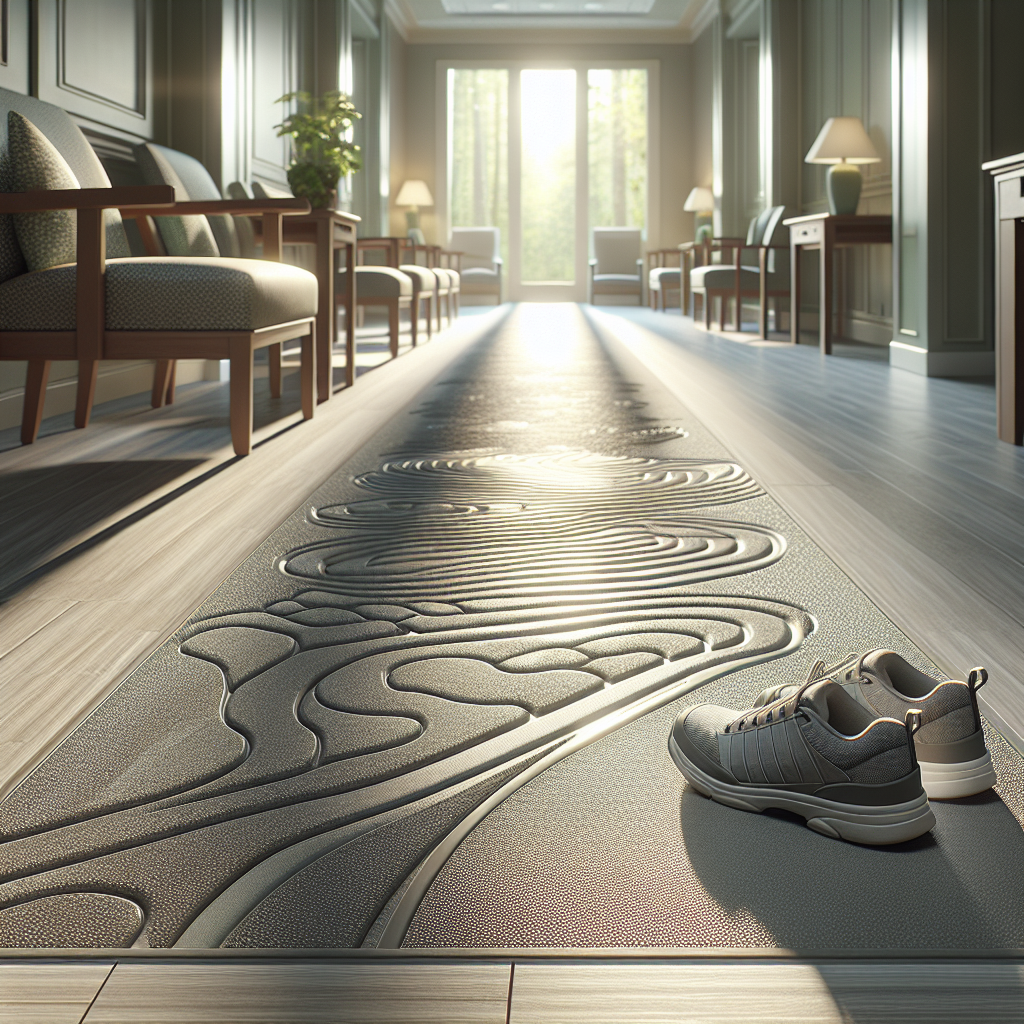
1. **Safety First:** Reduced risk of falls is paramount in memory care. Flooring should provide a non-slip surface to prevent accidents.
2. **Visual Clarity:** High contrast between floors and walls helps individuals navigate spaces more easily.
3. **Acoustic Properties:** The right flooring can minimize noise, reducing stress and confusion for residents.
4. **Aesthetic Comfort:** Colors and patterns can evoke emotions and memories, providing comfort and familiarity.
Key Considerations When Choosing Flooring
When selecting flooring for memory care, there are several key factors to consider to ensure it supports cognitive health:
1. Safety and Slip Resistance 🚶♀️
One of the most crucial aspects of flooring in memory care is its ability to prevent slips and falls. Opt for materials that offer high slip resistance. Vinyl and rubber flooring are popular choices due to their textured surfaces that provide excellent grip. Additionally, ensure that the flooring is level without sudden changes in height that could become tripping hazards.
2. Visual and Aesthetic Factors 🎨
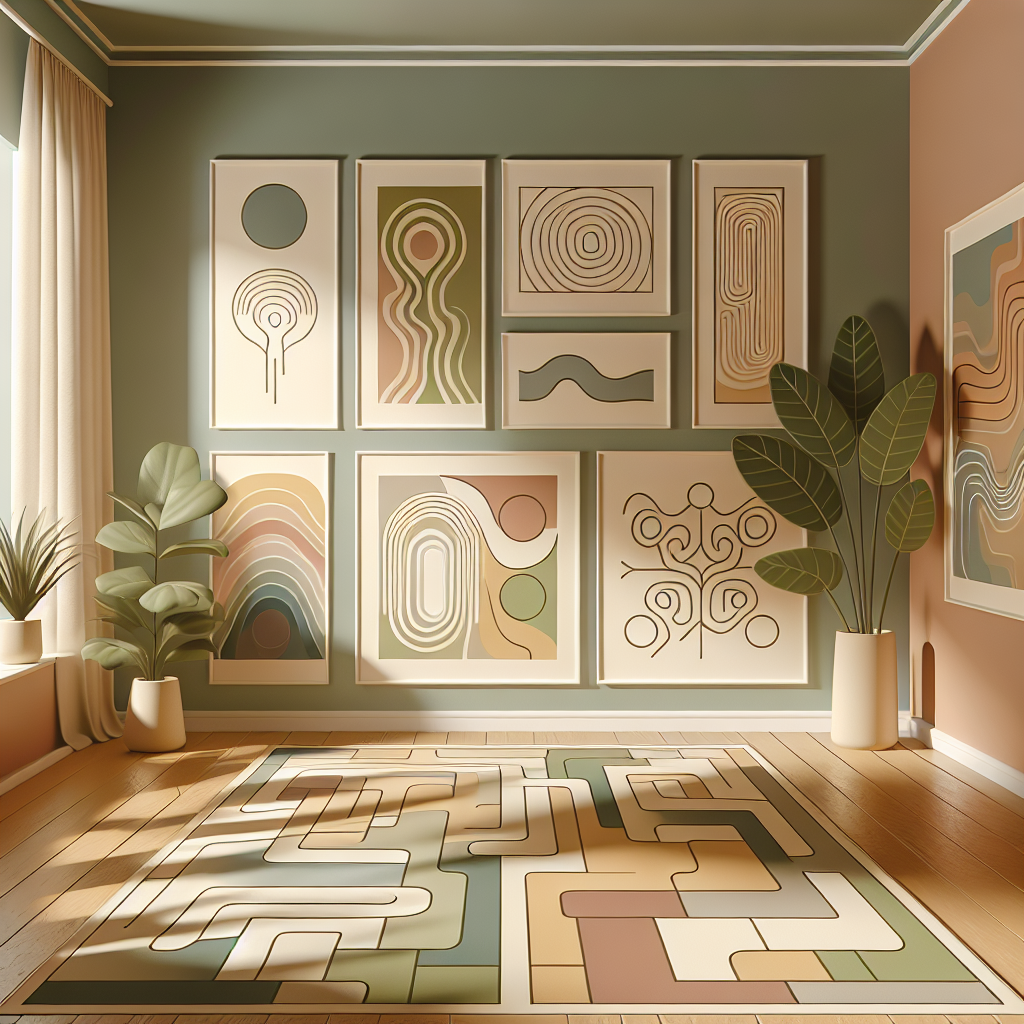
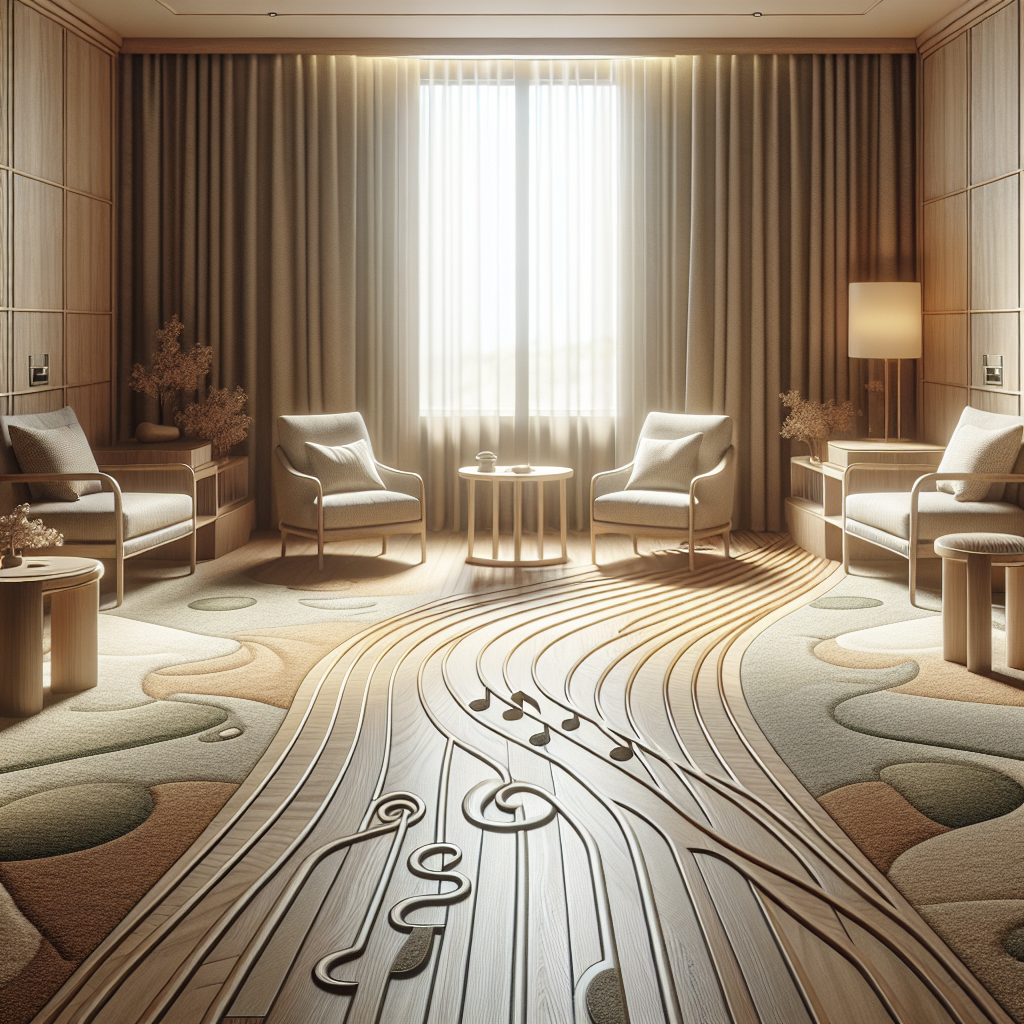
Color and pattern play a significant role in cognitive stimulation and emotional well-being. Soft, warm colors can create a calming environment, while bold patterns might be confusing or overwhelming. Choose flooring with subtle patterns or solid colors that contrast with the walls to assist navigation.
3. Acoustic Considerations 🎵
Acoustic properties of flooring can affect the overall noise level in a memory care facility. Hard surfaces like tile or hardwood can amplify sound, potentially increasing stress levels among residents. Instead, consider materials like cork or carpet tiles that absorb sound and create a quieter, more serene environment.
4. Maintenance and Durability 🧹
Memory care facilities require flooring that is easy to clean and maintain, as hygiene is a top priority. Durable materials such as luxury vinyl tile (LVT) offer both resilience and ease of maintenance, making them ideal for high-traffic areas.
Popular Flooring Options for Memory Care
Exploring specific flooring materials, each comes with its own set of advantages tailored to support cognitive health. Here are some top choices:
1. Luxury Vinyl Tile (LVT)
LVT is a versatile option that combines durability with aesthetic appeal. It’s water-resistant, easy to clean, and available in a variety of styles and colors, allowing for creative design without compromising on safety or comfort.
2. Rubber Flooring
Rubber flooring is known for its slip-resistant properties and cushioning effect, which can help reduce the impact of falls. Its sound-absorbing qualities also make it a popular choice for creating a tranquil environment.
3. Cork Flooring
Cork is a sustainable option that provides excellent sound insulation and a comfortable walking surface. Its natural warmth and texture can make spaces feel more inviting while supporting cognitive health through noise reduction.
4. Carpeting
Carpeting offers warmth and sound absorption, creating a cozy atmosphere. However, it’s crucial to choose carpets with low pile to minimize the risk of tripping. Modular carpet tiles can be a practical choice, as they are easy to replace if damaged or stained.
Final Thoughts: Creating a Supportive Environment
Choosing the right flooring for memory care is more than a design decision; it’s about creating an environment that fosters safety, comfort, and cognitive support. By considering factors such as slip resistance, visual clarity, acoustic properties, and maintenance, you can select a flooring solution that enhances the quality of life for residents.
As you embark on this journey, remember that the goal is to create a space that feels like home—a space where individuals can navigate with confidence, feel at ease, and enjoy a sense of well-being. With thoughtful flooring choices, we can make a significant difference in the lives of those in memory care. 💡
Call Us Now!