 Skip to content

How to Choose Flooring That Reduces Echo and Reverberation 🏠
Have you ever walked into a room and felt like you were shouting into a canyon? That annoying echo bouncing off every surface can turn your dream home into an acoustic nightmare. Whether you’re dealing with a cavernous living room, a modern loft with soaring ceilings, or just want to create a more peaceful environment, choosing the right flooring can dramatically reduce echo and reverberation. Let’s dive into how you can transform your space from an echo chamber into a harmonious haven! 🎵
Understanding Echo vs. Reverberation: What’s Really Happening in Your Space?
Before we jump into flooring solutions, it’s crucial to understand what we’re actually fighting against. Echo occurs when sound waves bounce off hard surfaces and return to your ears as distinct, delayed repetitions of the original sound. Think of shouting “hello” in a large empty room and hearing “hello… hello… hello” coming back at you.
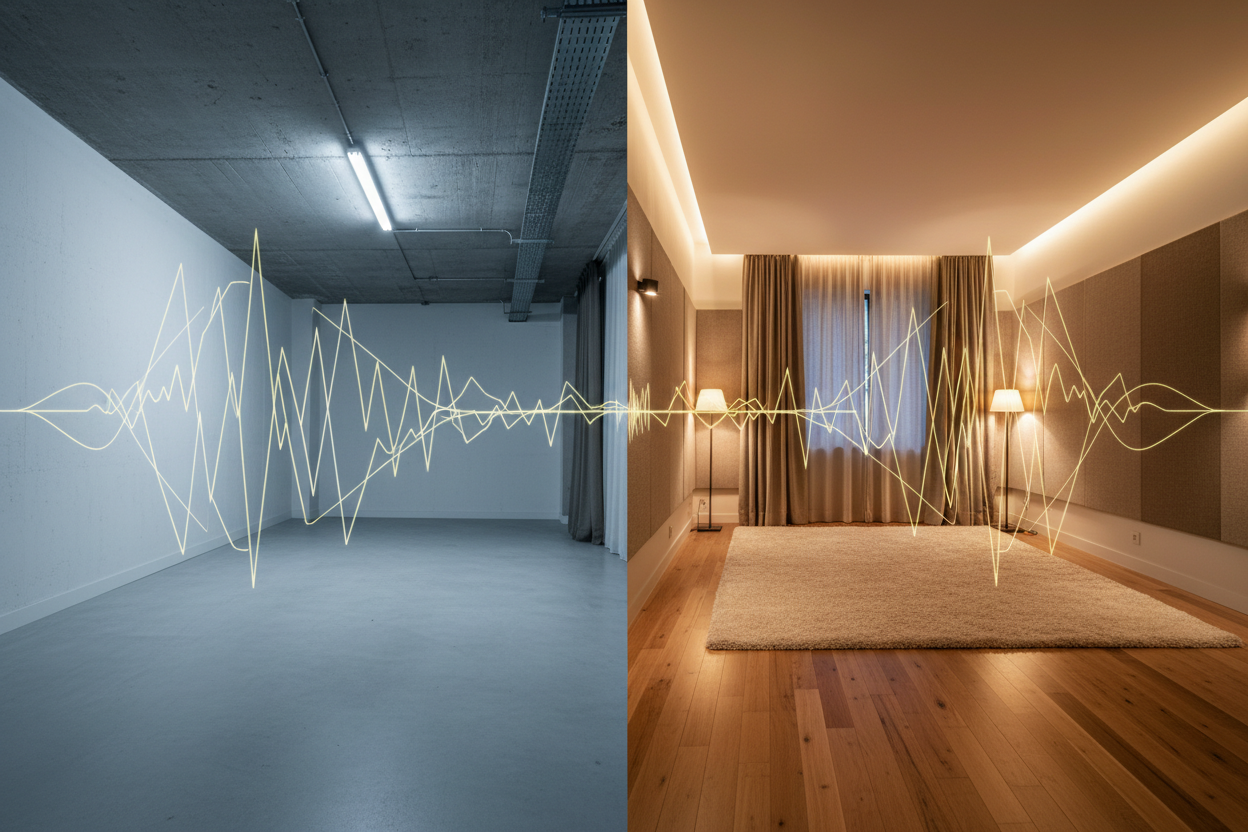
Reverberation, on the other hand, is when sound waves bounce around multiple surfaces so quickly that they blend together, creating that muddy, unclear audio quality you might experience in a gymnasium or cathedral. Both phenomena can make your home feel cold, unwelcoming, and frankly, quite annoying to live in.
The good news? Your flooring choice plays a massive role in controlling both issues. Hard surfaces like concrete, tile, and hardwood act like acoustic mirrors, bouncing sound waves around mercilessly. Softer materials absorb these waves, creating a more pleasant acoustic environment.
The Science Behind Sound-Absorbing Flooring Materials 🔬
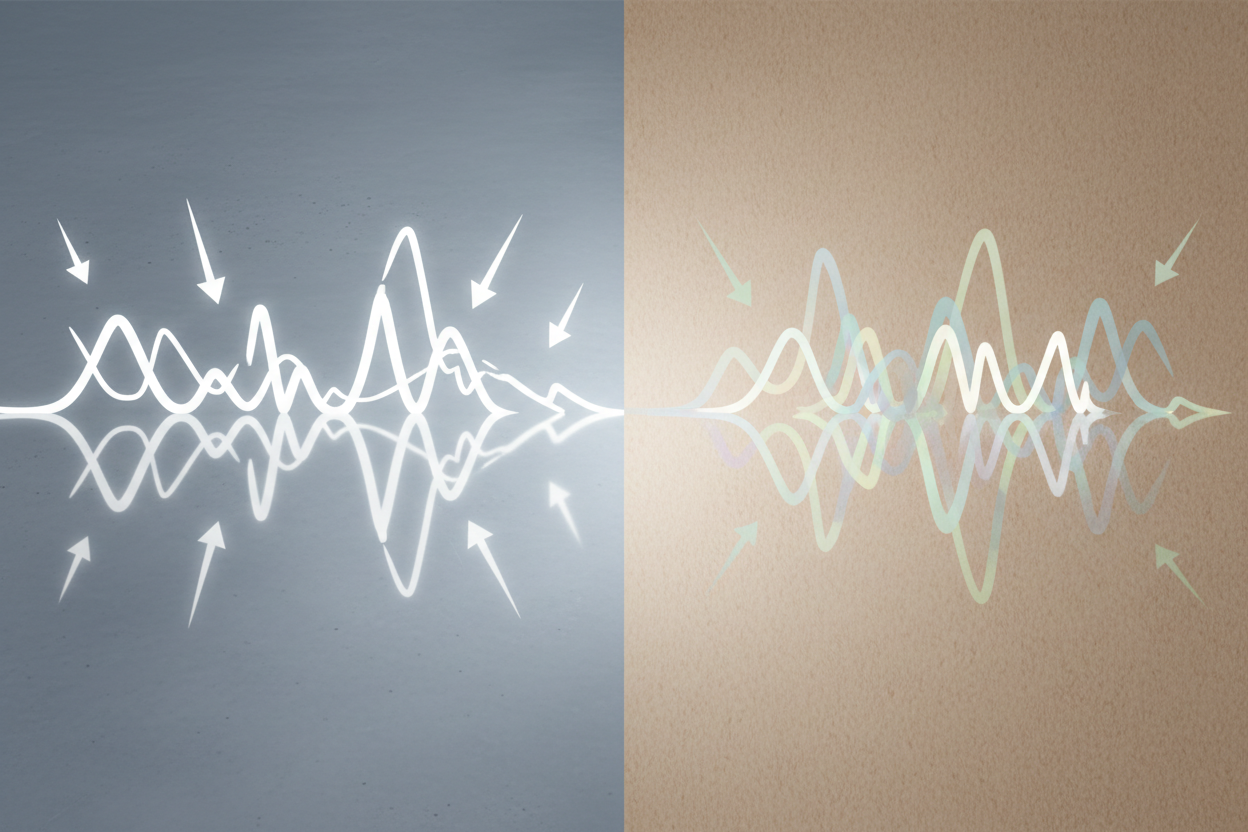
Not all flooring materials are created equal when it comes to sound absorption. The key lies in understanding something called the Noise Reduction Coefficient (NRC), which measures how much sound a material absorbs on a scale from 0 to 1. A material with an NRC of 0 reflects all sound (think polished concrete), while a material with an NRC of 1 absorbs all sound completely.
Sound absorption happens through several mechanisms. Porous materials trap air in tiny pockets, converting sound energy into heat through friction. Fibrous materials work similarly, with sound waves getting lost in the maze of fibers. Some materials also use mass and density to prevent sound transmission, though this is more relevant for impact noise between floors.
The texture and thickness of your flooring also matter significantly. A thick, plush carpet will outperform a thin, tight-weave option every time. Similarly, flooring with irregular surfaces or built-in texture helps scatter sound waves rather than reflecting them uniformly.
Carpet: The Ultimate Echo Fighter 🛡️
When it comes to reducing echo and reverberation, carpet remains the undisputed champion. A quality carpet can achieve an NRC rating of 0.30 to 0.55, meaning it absorbs 30-55% of the sound that hits it. But not all carpets are created equal for acoustic purposes.
Thick, dense carpets with longer pile heights perform best for sound absorption. The key is in the construction – look for carpets with high face weight (the amount of fiber per square yard) and dense backing. Cut pile carpets generally outperform loop pile options because the individual fibers create more surface area for sound absorption.
The padding underneath your carpet is equally important and often overlooked. A thick, high-quality pad not only extends your carpet’s life but significantly boosts its acoustic performance. Memory foam and rubber pads work exceptionally well, though they come at a higher price point.
Consider carpet tiles for areas where you want acoustic benefits but need the flexibility to replace sections. Modern carpet tiles offer excellent sound absorption while giving you design flexibility and easier maintenance in high-traffic areas.
Area Rugs: Strategic Sound Solutions 🎯
If wall-to-wall carpeting isn’t in your plans, strategically placed area rugs can work wonders for echo control. The beauty of rugs lies in their flexibility – you can add acoustic treatment exactly where you need it most without committing to a permanent flooring change.
Size matters tremendously with area rugs. A tiny 4×6 rug in a large room won’t make much difference, but a substantial 9×12 or larger rug can dramatically improve acoustics. Aim to cover at least 60-80% of your main seating area for optimal results.
Layering rugs has become increasingly popular and offers acoustic benefits too. A large, neutral base rug topped with a smaller, decorative piece creates visual interest while maximizing sound absorption. Just ensure both rugs have adequate padding underneath.
Material choice in area rugs follows similar principles to wall-to-wall carpeting. Wool rugs excel at sound absorption due to their natural fiber structure, while synthetic options like nylon and polyester can also perform well if they’re thick enough.
Cork Flooring: Nature’s Sound Dampener 🌿
Cork flooring deserves serious consideration if you want the look of hard flooring with significantly better acoustic properties. This sustainable material naturally contains millions of tiny air pockets that trap sound waves, giving it impressive sound-absorbing qualities.
The cellular structure of cork makes it inherently acoustic-friendly, with NRC ratings typically ranging from 0.15 to 0.25. While this might seem modest compared to carpet, it’s substantially better than traditional hardwood, tile, or laminate flooring.
Cork flooring comes in various formats – tiles, planks, and sheets – allowing you to achieve different aesthetic goals while maintaining acoustic benefits. Thicker cork products (12mm or more) perform better acoustically than thinner options, though even thin cork provides noticeable improvement over hard surfaces.
Installation over a quality underlayment further enhances cork’s acoustic performance. Many manufacturers offer integrated underlayment systems that maximize both comfort underfoot and sound absorption.
Luxury Vinyl with Acoustic Backing: Modern Innovation 💡
Today’s luxury vinyl flooring has evolved far beyond the thin, echoey products of the past. Modern luxury vinyl planks (LVP) and tiles (LVT) often feature integrated acoustic backing that significantly reduces both echo and impact noise.
The key lies in the backing material. Look for products with cork, foam, or fiber backing rather than standard plastic backing. These acoustic-enhanced versions can achieve NRC ratings of 0.05 to 0.15 – not as impressive as carpet or cork, but far better than traditional hard surfaces.
The realistic wood and stone looks available in luxury vinyl mean you don’t have to sacrifice aesthetics for acoustics. Many products are virtually indistinguishable from natural materials while offering superior acoustic performance and easier maintenance.
Installation method also impacts acoustic performance. Floating installations over quality underlayment typically perform better acoustically than glue-down installations, though this varies by specific product and manufacturer recommendations.
Engineered Hardwood: Balancing Beauty and Acoustics 🌳
If your heart is set on hardwood flooring, engineered options offer better acoustic properties than solid hardwood. The layered construction of engineered wood naturally provides some sound dampening compared to solid planks.
The species of wood matters for acoustic performance. Softer woods like pine or cedar absorb more sound than harder species like oak or maple. However, durability considerations often outweigh acoustic benefits in high-traffic areas.
Underlayment becomes crucial with any hardwood installation. Acoustic underlayments made from cork, rubber, or specialized foam can significantly improve the acoustic performance of hardwood floors. Some products combine moisture protection with acoustic enhancement.
Consider distressed or textured hardwood finishes over smooth, glossy ones. The irregular surface helps scatter sound waves rather than reflecting them uniformly, reducing the mirror-like acoustic effect of perfectly smooth floors.
What to Avoid: Echo-Amplifying Flooring Mistakes ❌
Certain flooring choices will make your echo problems worse, not better. Polished concrete, while trendy and durable, acts like an acoustic mirror, reflecting virtually all sound waves. If you love the industrial look, consider concrete with a brushed or textured finish, which performs slightly better acoustically.
Large format tiles, especially with glossy finishes, create expansive hard surfaces that excel at bouncing sound around. If tile is necessary for practical reasons (like in bathrooms), choose smaller formats with textured surfaces and use area rugs wherever possible.
Laminate flooring without acoustic backing performs poorly for echo control. The thin, hard surface over a hollow substrate creates a drum-like effect that can actually amplify certain sounds. If budget constraints make laminate necessary, invest in quality acoustic underlayment.
Avoid the temptation to install hard flooring throughout an entire open-concept space. Breaking up large areas with different materials – perhaps hardwood in dining areas and area rugs in living spaces – creates natural acoustic zones.
Installation Tips for Maximum Acoustic Impact 🔧
Even the best acoustic flooring won’t perform optimally without proper installation. Underlayment quality and installation technique can make or break your acoustic goals.
Never skip underlayment when it’s recommended. Quality acoustic underlayment can cost 20-30% of your flooring budget but provides disproportionate acoustic benefits. Consider it an investment in your daily comfort and sanity.
Pay attention to transitions between rooms and different flooring materials. Gaps and poor transitions can create acoustic weak points that compromise your overall results. Professional installation often pays for itself in proper attention to these details.
Consider the subfloor condition before installation. Squeaky or uneven subfloors can create additional noise issues that even the best acoustic flooring can’t overcome. Address these problems during the installation process.
Room-Specific Considerations for Optimal Results 🏡
Different rooms have different acoustic needs and constraints. Open-concept living areas benefit most from large area rugs or carpet in seating areas, while maintaining hard surfaces in dining and kitchen zones for practical reasons.
Bedrooms are perfect candidates for wall-to-wall carpeting, providing both acoustic benefits and comfort. If allergies are a concern, consider low-pile, hypoallergenic options that still provide reasonable sound absorption.
Home offices and media rooms require special attention to acoustics. These spaces often benefit from a combination approach – perhaps luxury vinyl with acoustic backing topped with a substantial area rug in the primary use area.
Bathrooms present unique challenges where hard surfaces are often necessary for moisture control. Focus on textured tiles, bath mats, and perhaps cork flooring in areas that don’t get directly wet.
Conclusion: Creating Your Perfect Acoustic Environment 🎶
Choosing flooring that reduces echo and reverberation doesn’t mean sacrificing style or functionality. Whether you opt for the superior acoustic performance of quality carpeting, the natural sound-dampening properties of cork, or the modern innovation of acoustic-backed luxury vinyl, the key is understanding your space’s specific needs and choosing materials accordingly.
Remember that flooring is just one piece of the acoustic puzzle. Combining smart flooring choices with other soft furnishings, wall treatments, and strategic room design creates the most effective approach to echo control. The investment in proper acoustic flooring pays dividends in daily comfort, making your home a more peaceful, enjoyable place to live.
Take time to assess each room individually, consider your lifestyle needs, and don’t be afraid to mix materials for optimal results. Your ears – and your family – will thank you for creating a harmonious acoustic environment that makes every day at home more pleasant! 🏠✨
Call Us Now!