 Skip to content

How Flooring Can Support Rehabilitation and Physical Therapy: Creating Safe, Effective Healing Environments 🏥
When we think about rehabilitation and physical therapy, our minds often jump to specialized equipment, skilled therapists, and treatment protocols. However, there’s one crucial element that literally supports every step of the recovery journey – the flooring beneath our feet. The right flooring choice can make the difference between a successful rehabilitation experience and one fraught with setbacks, injuries, or discomfort.
Whether you’re designing a professional therapy clinic, setting up a home recovery space, or managing a healthcare facility, understanding how different flooring materials impact patient outcomes is essential. From preventing falls to providing the right amount of cushioning for joint protection, flooring plays a surprisingly significant role in the healing process. Let’s explore how thoughtful flooring choices can transform rehabilitation spaces into environments that truly support recovery and wellness. ✨
The Critical Connection Between Flooring and Patient Safety 🛡️
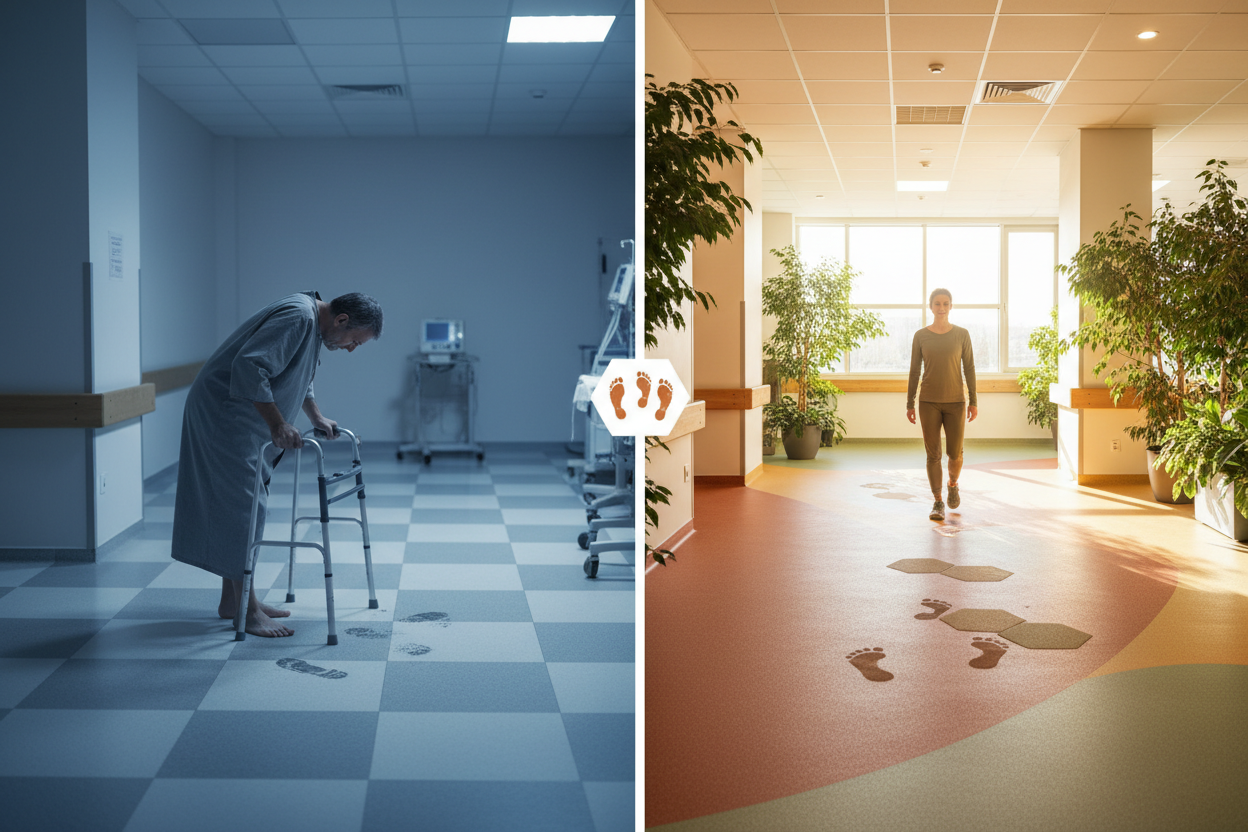
Patient safety stands as the cornerstone of any successful rehabilitation program, and flooring directly impacts this fundamental concern. In physical therapy settings, patients often work with compromised balance, reduced mobility, or weakened muscles, making them more susceptible to falls and injuries.
The texture and slip-resistance of flooring materials can literally be life-changing for patients. Smooth, polished surfaces that might look aesthetically pleasing can become dangerous obstacles for someone relearning to walk or working with assistive devices. Conversely, flooring with appropriate grip can provide the confidence patients need to push themselves during therapy sessions.
Beyond slip resistance, the consistency of the flooring surface matters tremendously. Uneven joints, loose tiles, or worn areas can create tripping hazards that pose serious risks to patients who may not have full control over their movements yet. This is why many rehabilitation facilities invest in seamless flooring options that eliminate potential catch points for wheelchairs, walkers, and unsteady feet.
Shock Absorption and Joint Protection: Why Surface Matters 🦴
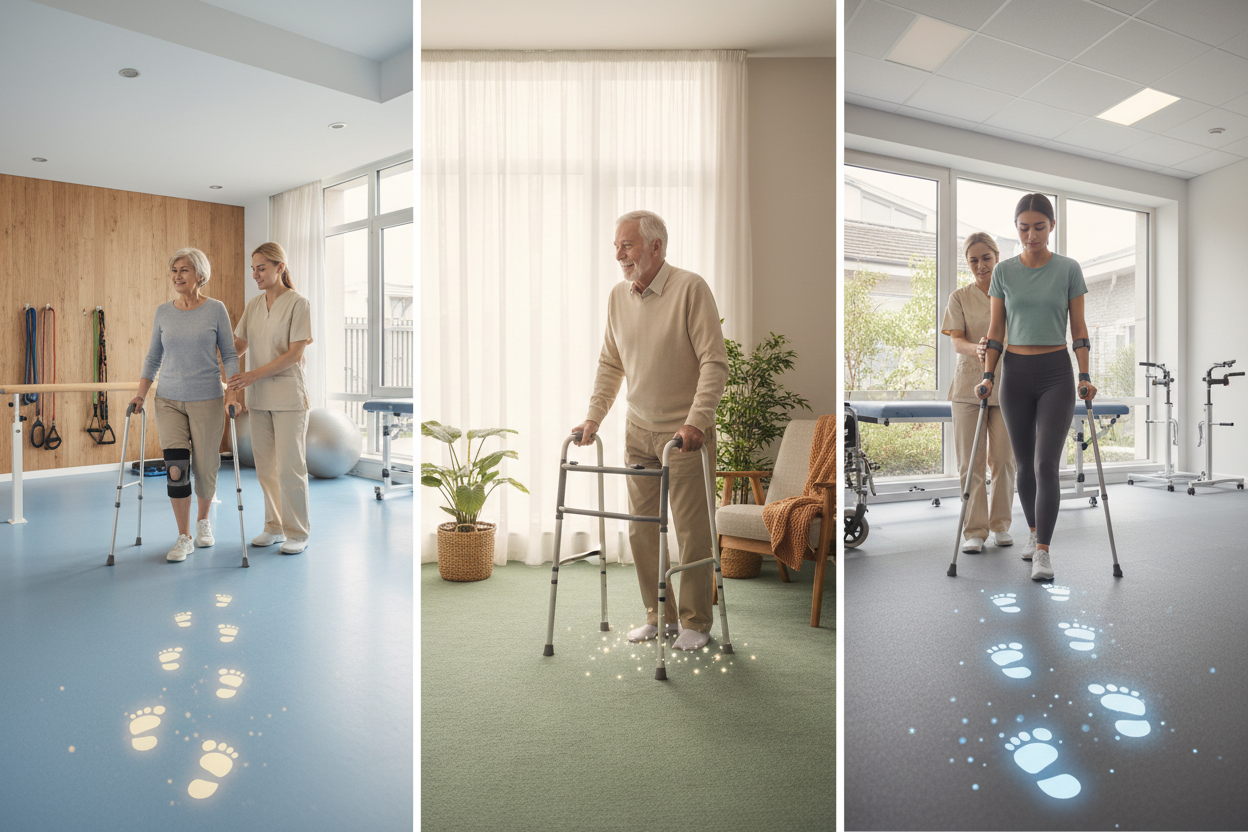
The human body endures significant stress during rehabilitation exercises, particularly when patients are rebuilding strength and mobility after injury or surgery. Hard, unforgiving surfaces can exacerbate joint pain and potentially slow the healing process, while properly cushioned flooring can actually accelerate recovery.
Think about it from a patient’s perspective – someone recovering from knee surgery needs to gradually rebuild strength and range of motion. Performing exercises on concrete covered with thin carpeting can create jarring impacts that cause pain and discourage progress. However, specialized rehabilitation flooring with built-in shock absorption allows patients to work harder and longer while protecting vulnerable joints.
The science behind this is fascinating. Quality rehabilitation flooring systems often incorporate multiple layers, including shock-absorbing substrates that reduce impact forces by up to 50% compared to traditional hard surfaces. This reduction in impact stress means patients can engage in more intensive therapy sessions without experiencing the same level of joint stress and fatigue.
Hygiene and Infection Control in Therapy Environments 🧼
Healthcare-associated infections represent a serious concern in any medical setting, and rehabilitation facilities face unique challenges in this area. Patients often spend extended periods on the floor during therapy sessions, creating direct contact between skin and surfaces. Additionally, the use of equipment, wheelchairs, and assistive devices can introduce contaminants that must be effectively managed.
Modern rehabilitation flooring addresses these concerns through advanced antimicrobial technologies and seamless installation methods. Many specialized flooring products now incorporate silver ion technology or other antimicrobial agents directly into the material, providing continuous protection against bacteria, fungi, and other pathogens.
The seamless nature of quality rehabilitation flooring also plays a crucial role in infection control. Traditional flooring with grout lines, seams, or joints can harbor bacteria and make thorough cleaning difficult. Seamless installations eliminate these hiding places, allowing for more effective sanitization protocols that keep patients and staff safe.
Choosing the Right Flooring Materials for Different Therapy Applications 🎯
Not all rehabilitation activities require the same type of flooring support, which is why understanding the specific needs of different therapy applications is crucial for making informed decisions.
For cardiovascular rehabilitation and general fitness areas, flooring needs to provide excellent traction while allowing for easy movement in multiple directions. Patients might be walking on treadmills, using elliptical machines, or performing standing exercises that require stable footing. Rubber-based flooring systems often excel in these applications, offering the right balance of grip and comfort.
Physical therapy areas where patients perform floor exercises, stretching, and mat work require different considerations. Here, comfort becomes paramount, as patients may spend significant time in direct contact with the surface. Specialized cushioned flooring that provides support while maintaining cleanliness becomes essential.
Occupational therapy spaces present yet another set of requirements. These areas often simulate real-world environments, so flooring choices might need to replicate the surfaces patients will encounter in their daily lives. This might include transitions between different flooring types to help patients practice navigating various surfaces safely.
Creating Therapeutic Color and Design Elements 🎨
The psychological impact of environment on healing cannot be underestimated, and flooring contributes significantly to the overall ambiance of rehabilitation spaces. Colors, patterns, and visual elements can influence patient mood, motivation, and even perceived pain levels.
Warm, welcoming colors can help reduce anxiety and create a more comfortable atmosphere for patients who may be apprehensive about their therapy sessions. Conversely, energizing colors in fitness areas can help motivate patients during challenging workouts. Many modern flooring systems offer extensive color palettes that allow designers to create environments that support specific therapeutic goals.
Wayfinding represents another important consideration. Subtle color variations or patterns in flooring can help patients navigate facilities independently, which supports their sense of autonomy and confidence. This is particularly important for patients with visual impairments or cognitive challenges who benefit from clear environmental cues.
Acoustic Considerations for Comfortable Therapy Sessions 🔇
Noise levels in rehabilitation facilities can significantly impact patient comfort and therapy effectiveness. Hard surfaces that create echoes and amplify sounds can be particularly problematic for patients with hearing difficulties or those who need to concentrate during complex motor skill retraining.
Quality rehabilitation flooring often incorporates acoustic properties that help manage sound levels. This might include sound-absorbing materials that reduce impact noise from dropped equipment or footsteps, creating a more peaceful environment for both patients and staff.
The acoustic properties of flooring become especially important in facilities that serve multiple patient populations simultaneously. Reducing noise transmission between therapy areas helps maintain privacy and prevents distractions that could interfere with treatment sessions.
Maintenance and Longevity: Investing in Long-term Success 💰
The demanding nature of rehabilitation environments requires flooring solutions that can withstand heavy use while maintaining their therapeutic properties over time. Wheelchairs, walkers, therapy equipment, and constant foot traffic create significant wear patterns that inferior flooring materials simply cannot handle.
High-quality rehabilitation flooring represents an investment in long-term facility success. While initial costs may be higher than standard commercial flooring, the extended lifespan, reduced maintenance requirements, and consistent performance make it cost-effective over time.
Maintenance considerations also impact daily operations. Flooring that requires special cleaning products or procedures can create operational challenges and potentially expose patients to harsh chemicals. The best rehabilitation flooring systems can be maintained with standard healthcare cleaning protocols while retaining their appearance and performance characteristics.
Future Innovations in Rehabilitation Flooring Technology 🚀
The field of rehabilitation flooring continues to evolve with advancing technology and deeper understanding of patient needs. Smart flooring systems that can monitor patient movement patterns, detect falls, or provide real-time feedback represent exciting possibilities for the future.
Emerging technologies include flooring with integrated sensors that can track patient progress, alert staff to potential safety issues, or even provide interactive elements that enhance therapy sessions. While these innovations are still in development, they highlight the growing recognition of flooring as an active component in the rehabilitation process rather than simply a passive surface.
Conclusion: Building Better Recovery Environments
The flooring beneath our feet might seem like a basic consideration, but as we’ve explored throughout this discussion, it plays a fundamental role in rehabilitation success. From preventing injuries and supporting joint health to creating welcoming environments that encourage patient engagement, the right flooring choices can significantly impact therapy outcomes.
Whether you’re planning a new rehabilitation facility, upgrading an existing space, or even creating a home therapy area, remember that flooring represents more than just a surface to walk on. It’s a therapeutic tool that can support healing, enhance safety, and contribute to the overall success of rehabilitation programs. By prioritizing quality, safety, and functionality in flooring decisions, we can create environments that truly support the journey from injury to recovery. 🌟
The investment in proper rehabilitation flooring pays dividends not just in patient outcomes, but in staff satisfaction, facility reputation, and long-term operational success. As our understanding of the connection between environment and healing continues to grow, thoughtful flooring choices will remain a cornerstone of effective rehabilitation design.
Call Us Now!