 Skip to content
Flooring Renovation Ideas to Enhance Nursing Home Aesthetics
Nursing homes play a vital role in providing a comfortable and safe environment for elderly residents. The overall aesthetics of these facilities contribute significantly to the well-being and satisfaction of both residents and their families. One aspect that can greatly impact the aesthetics of a nursing home is the flooring. In this article, we will explore various flooring renovation ideas that can enhance the aesthetics of nursing homes, making them more appealing and welcoming to residents.
Importance of Flooring in Nursing Homes
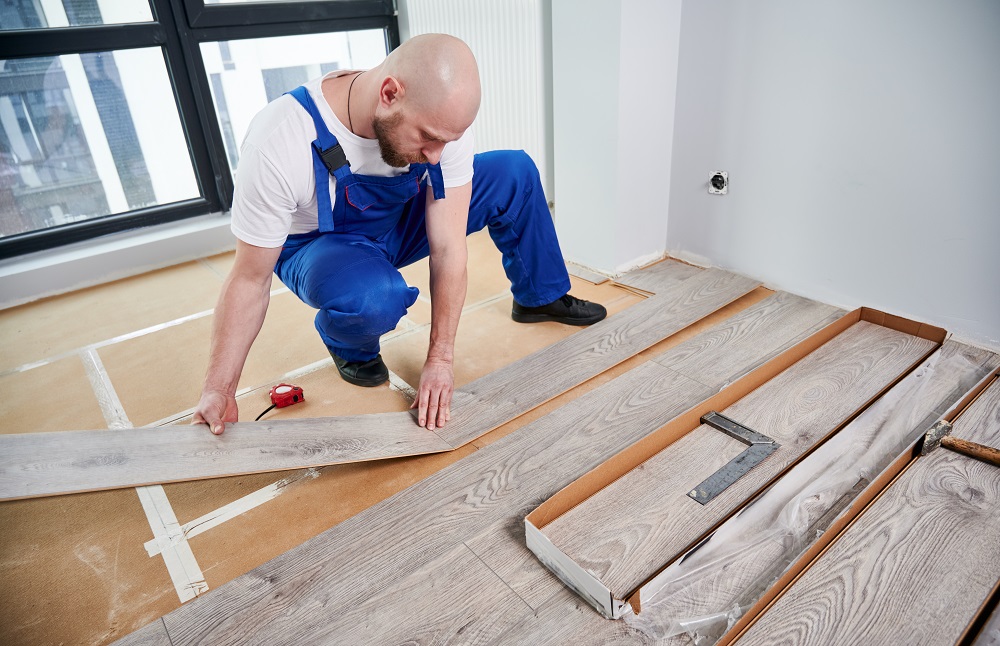
The flooring in nursing homes serves a dual purpose. Firstly, it must provide a safe and functional surface for residents, staff, and visitors to walk on. Secondly, it contributes to the overall ambiance and visual appeal of the facility. A well-designed and visually pleasing flooring can create a warm and inviting atmosphere, promoting a sense of comfort and well-being.
Factors to Consider for Nursing Home Flooring Renovation
When planning for flooring renovation in nursing homes, several factors should be taken into consideration to ensure the best outcome. These factors include:
Safety and Slip Resistance
Safety is of utmost importance in nursing homes, especially considering the elderly population’s increased risk of falls. The flooring should have excellent slip resistance properties, reducing the chances of accidents and injuries.
Durability and Maintenance
Nursing homes experience high foot traffic, requiring flooring that can withstand daily wear and tear. Durable materials that are easy to clean and maintain should be chosen to minimize the need for frequent repairs and replacements.
Comfort and Noise Reduction
Residents spend a significant amount of time indoors, making comfort and noise reduction crucial factors. Flooring options that offer cushioning and sound-absorbing properties help create a peaceful and comfortable environment.
Visual Appeal and Design
The aesthetics of the flooring can significantly impact the overall ambiance of the nursing home. Choosing visually appealing designs and colors that complement the facility’s theme and décor can create a pleasant and inviting atmosphere.
Popular Flooring Options for Nursing Homes

Several flooring options are suitable for nursing homes, each with its own unique benefits. Some popular choices include:
Vinyl Flooring
Vinyl flooring is a versatile and cost-effective option that comes in a wide range of designs and patterns. It is highly durable, easy to clean, and provides good slip resistance. Additionally, vinyl flooring is resistant to moisture and stains, making it suitable for areas prone to spills or accidents.
Carpet Tiles
Carpet tiles are a popular choice for nursing home common areas and resident rooms. They offer comfort, noise reduction, and can be easily replaced if damaged. Carpet tiles are available in various colors and patterns, allowing for customization to suit the facility’s design aesthetic.
Laminate Flooring
Laminate flooring provides the look of hardwood or stone at a more affordable price. It is scratch-resistant, durable, and easy to maintain. Laminate flooring is available in a wide range of styles, making it a versatile option for nursing homes.
Rubber Flooring
Rubber flooring is an excellent choice for areas where slip resistance is a top priority. It offers exceptional traction and shock absorption, reducing the risk of falls and injuries. Rubber flooring is also durable, easy to clean, and available in various colors and textures.
Luxury Vinyl Tiles (LVT)
Luxury Vinyl Tiles (LVT) provide the look of natural materials like wood or stone with added durability and easy maintenance. LVT is resistant to scratches, stains, and water, making it ideal for nursing homes. It offers a wide range of design options to suit different aesthetics.
Best Practices for Flooring Renovation in Nursing Homes

To ensure a successful flooring renovation project in nursing homes, the following best practices should be followed:
Conducting a Flooring Assessment
Before starting the renovation, a thorough assessment of the existing flooring should be conducted. This helps identify any underlying issues or potential challenges that need to be addressed during the renovation process.
Engaging with Residents and Staff
Involving residents and staff in the decision-making process can help create a sense of ownership and ensure their needs and preferences are considered. Their input can provide valuable insights into selecting the most suitable flooring options.
Hiring Professional Contractors
Flooring renovation in nursing homes requires specialized skills and expertise. Hiring professional contractors experienced in working with healthcare facilities ensures high-quality workmanship and adherence to safety standards.
Planning for Disruption
Renovations can cause temporary disruptions to daily activities in nursing homes. Proper planning and communication with residents, staff, and visitors are essential to minimize inconveniences and ensure a smooth transition during the renovation process.
Considering Budgetary Constraints
While aiming for the best flooring options, it is crucial to consider budgetary constraints. Finding a balance between quality, aesthetics, and cost-effectiveness helps make informed decisions that align with the nursing home’s financial resources.
Benefits of Upgrading Flooring in Nursing Homes
Upgrading the flooring in nursing homes can bring several benefits, including:
Enhanced Aesthetics
A well-designed flooring can transform the overall look and feel of a nursing home, creating a visually appealing and welcoming environment for residents and visitors alike.
Improved Safety and Accessibility
Choosing slip-resistant flooring materials and addressing uneven surfaces improves safety and accessibility, reducing the risk of falls and providing a secure environment for the elderly.
Better Indoor Air Quality
Flooring materials that are hypoallergenic and easy to clean contribute to better indoor air quality, reducing the presence of dust, allergens, and contaminants that can affect the health of residents.
Enhanced Comfort and Acoustics
Comfortable and noise-reducing flooring options contribute to a calm and peaceful atmosphere, promoting well-being and reducing stress among residents.
Increased Property Value
Investing in quality flooring upgrades can enhance the value of the nursing home, making it more attractive to potential residents and investors.
FAQs
- Q: How long does a flooring renovation project in a nursing home typically take? A: The duration of a flooring renovation project in a nursing home can vary depending on the size of the facility and the scope of the renovation. It is best to consult with professional contractors to get a more accurate timeline.
- Q: Can the flooring renovation be done in phases to minimize disruptions? A: Yes, flooring renovations can be planned and executed in phases to minimize disruptions. This allows residents and staff to continue using certain areas while work is being done in others.
- Q: Are there any specific flooring materials recommended for nursing home bathrooms? A: Flooring materials for nursing home bathrooms should prioritize slip resistance and water resistance. Vinyl, rubber, or luxury vinyl tiles (LVT) are commonly used for bathroom areas.
- Q: How often should flooring in nursing homes be replaced? A: The lifespan of flooring in nursing homes depends on factors such as foot traffic, maintenance, and the type of flooring material. On average, flooring replacement may be required every 10-15 years.
- Q: Can residents be involved in the selection of flooring designs? A: Yes, involving residents in the selection of flooring designs can help create a sense of belonging and ensure their preferences are considered. Options can be presented to residents for their input and feedback.