 Skip to content
Creating a Sense of Space with Flooring Design in Nursing Homes
When it comes to nursing homes, the environment plays a significant role in the well-being of residents. One often overlooked element in creating a welcoming and functional space is flooring design. Not only does the right flooring enhance aesthetics, but it also contributes to safety and comfort. In this blog post, we’ll explore how thoughtful flooring design can create a sense of space in nursing homes, improving the overall quality of life for residents.
The Importance of Flooring Design in Nursing Homes
Flooring in nursing homes does more than just cover the ground; it sets the tone for the entire environment. It affects acoustics, influences mood, and can even impact mobility and safety. Considering these factors, choosing the right flooring becomes paramount. Here, we’ll delve into the crucial aspects of why flooring matters in nursing homes.

Enhancing Safety and Comfort
Safety takes center stage in nursing homes, where residents often have varying levels of mobility. Flooring needs to provide slip resistance to prevent falls, which are a leading cause of injury among the elderly. Textured surfaces, such as non-slip vinyl, can offer excellent grip without sacrificing style. Additionally, cushioning materials can absorb impact, reducing the risk of injury if a fall does occur.
Comfort is another essential factor. Residents spend a lot of time indoors, so flooring that is easy on the feet and joints can significantly enhance their daily experience. Cork and rubber flooring are popular choices due to their soft, comfortable surfaces.
Creating Visual Appeal and Space Perception
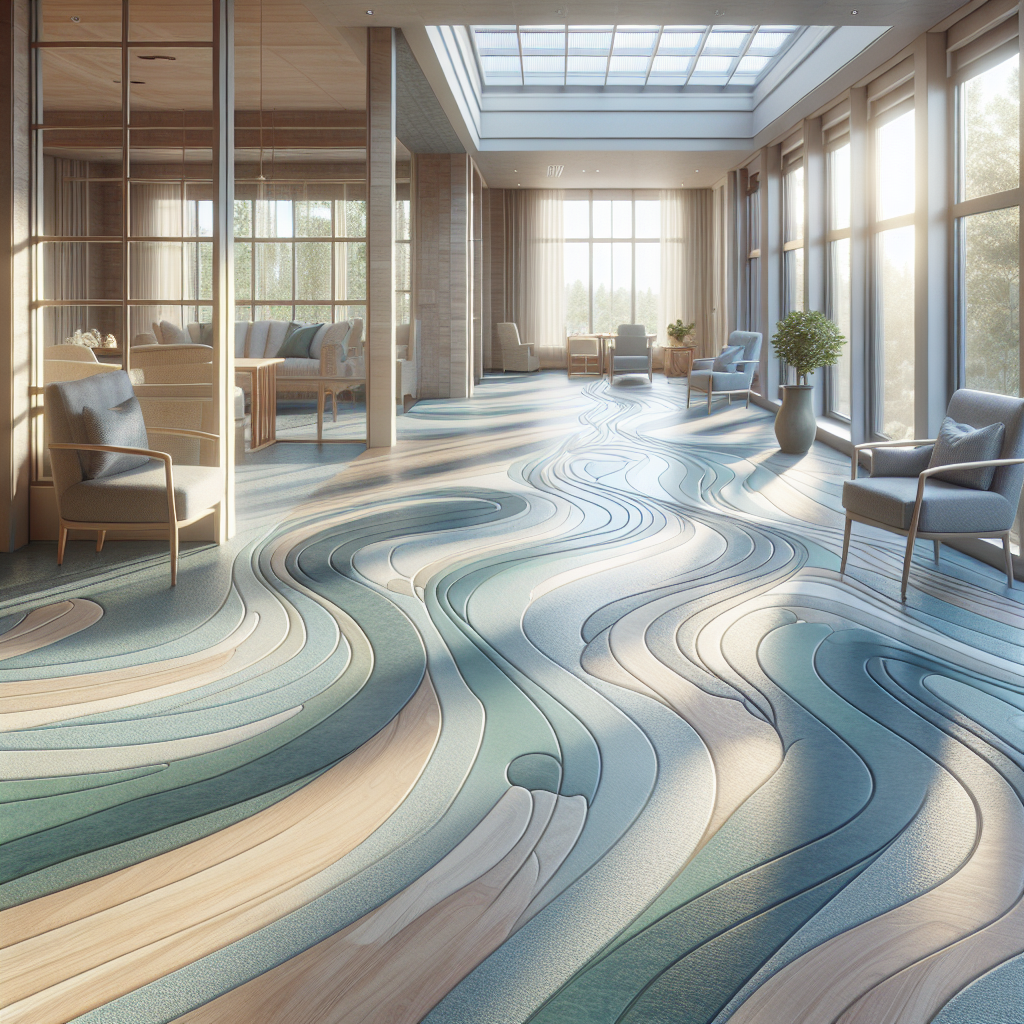
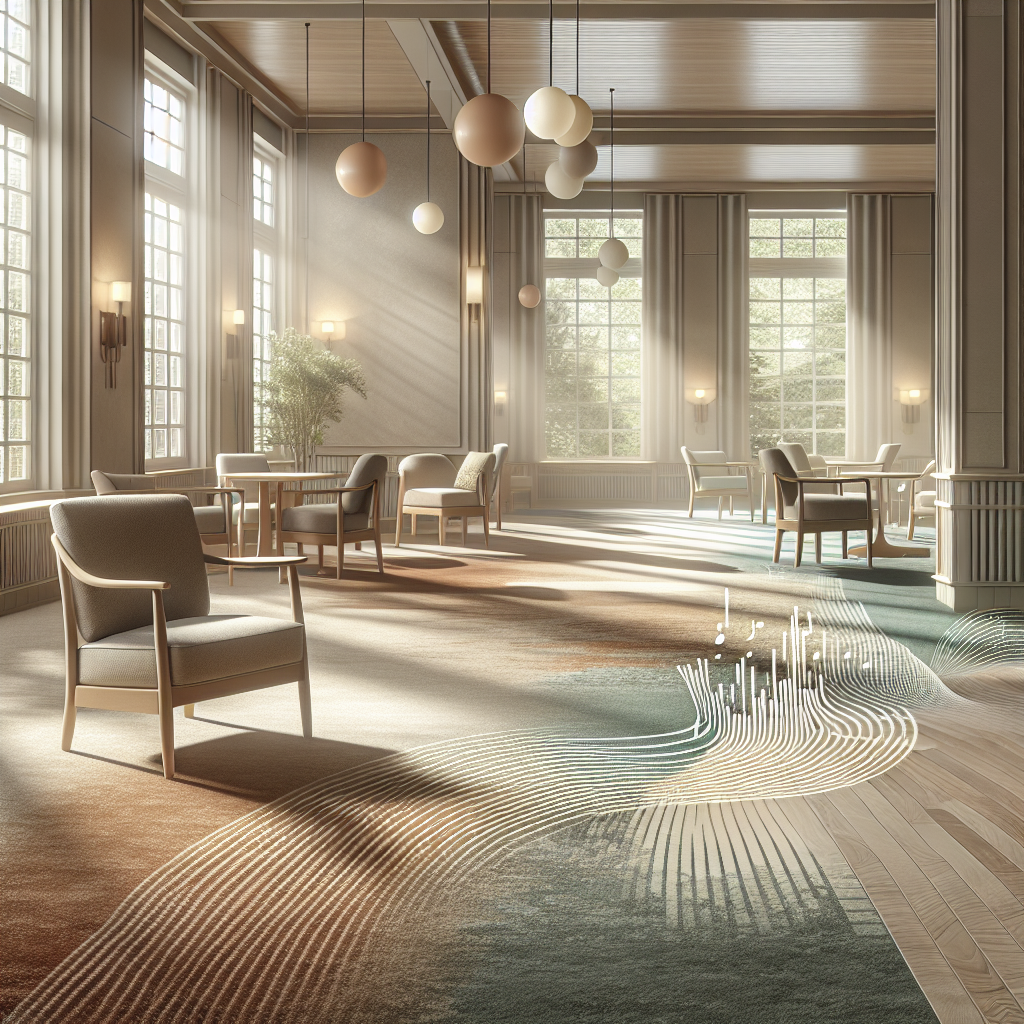
Visual appeal plays a vital role in creating a pleasant atmosphere. Flooring design can be utilized to create a sense of openness and continuity, making spaces feel larger and more inviting. Light-colored flooring, such as pale wood or light-colored tiles, can reflect light and create an airy feel, while darker tones might make spaces feel more intimate and cozy.
Patterns and textures also contribute to the perception of space. For instance, diagonal or herringbone patterns can draw the eye outward, giving the illusion of more space. Using consistent flooring across different areas can tie spaces together, providing a seamless transition that enhances navigability and coherence.
Acoustics and Noise Reduction
No one appreciates an echoey environment, especially in a nursing home where tranquility is cherished. The right flooring can help manage acoustics, reducing noise and creating a quieter, more peaceful environment. Carpeting and cushioned vinyl are excellent choices for noise reduction, as they absorb sound and create a more serene atmosphere.
By minimizing noise, residents can enjoy a more restful and calming environment, contributing positively to their mental health and overall well-being. This is especially important in communal areas where social interactions and activities take place.
Maintenance and Hygiene Considerations
In nursing homes, cleanliness and hygiene are non-negotiable. Flooring materials should be easy to clean and maintain, minimizing the risk of infections. Seamless flooring options, like sheet vinyl or polished concrete, prevent dirt accumulation in crevices and are simple to sanitize.
Durability is also key. High-traffic areas require flooring that can withstand constant use without showing wear and tear. Investing in high-quality materials ensures longevity, reducing the need for frequent replacements and repairs, which can be disruptive and costly.
Personalizing Spaces with Color and Style
While safety and functionality are critical, personalization should not be overlooked. Different areas within a nursing home can be designed with specific themes or color schemes to create distinct atmospheres. Warm tones can evoke a sense of comfort and homeliness, while cool tones can promote relaxation and calmness.
Personal touches, like area rugs or unique patterns, can make spaces feel more like home, enhancing the emotional well-being of residents. Encouraging input from residents and incorporating elements that reflect their tastes can foster a sense of ownership and belonging.
Conclusion
Flooring design in nursing homes is more than just a practical consideration; it’s a powerful tool that can transform the environment, impacting residents’ safety, comfort, and overall quality of life. By choosing the right materials and designs, nursing homes can create a space that feels spacious, welcoming, and conducive to well-being. As we continue to explore the intersection of design and care, thoughtful flooring choices can lead the way in creating supportive and nurturing environments for those who need it most. 🏡
Call Us Now!