 Skip to content

Creating a Cohesive Look with Flooring Throughout Nursing Homes: A Complete Design Guide
Walking into a well-designed nursing home should feel like stepping into a warm, welcoming environment rather than a sterile institution. The flooring you choose plays a crucial role in creating this atmosphere, and achieving a cohesive look throughout the facility can transform the entire resident experience. 🏡
As someone who has spent years working with healthcare facilities, I’ve witnessed firsthand how thoughtful flooring design can impact both residents and staff. The right flooring choices don’t just look beautiful – they create a sense of home, improve wayfinding, and contribute to the overall well-being of everyone who walks these halls.
In this comprehensive guide, we’ll explore how to create a unified, cohesive flooring design that balances aesthetics, functionality, and the unique needs of nursing home environments. Whether you’re planning a new facility or renovating an existing one, these insights will help you make informed decisions that benefit everyone.
Understanding the Importance of Cohesive Flooring Design in Healthcare Settings
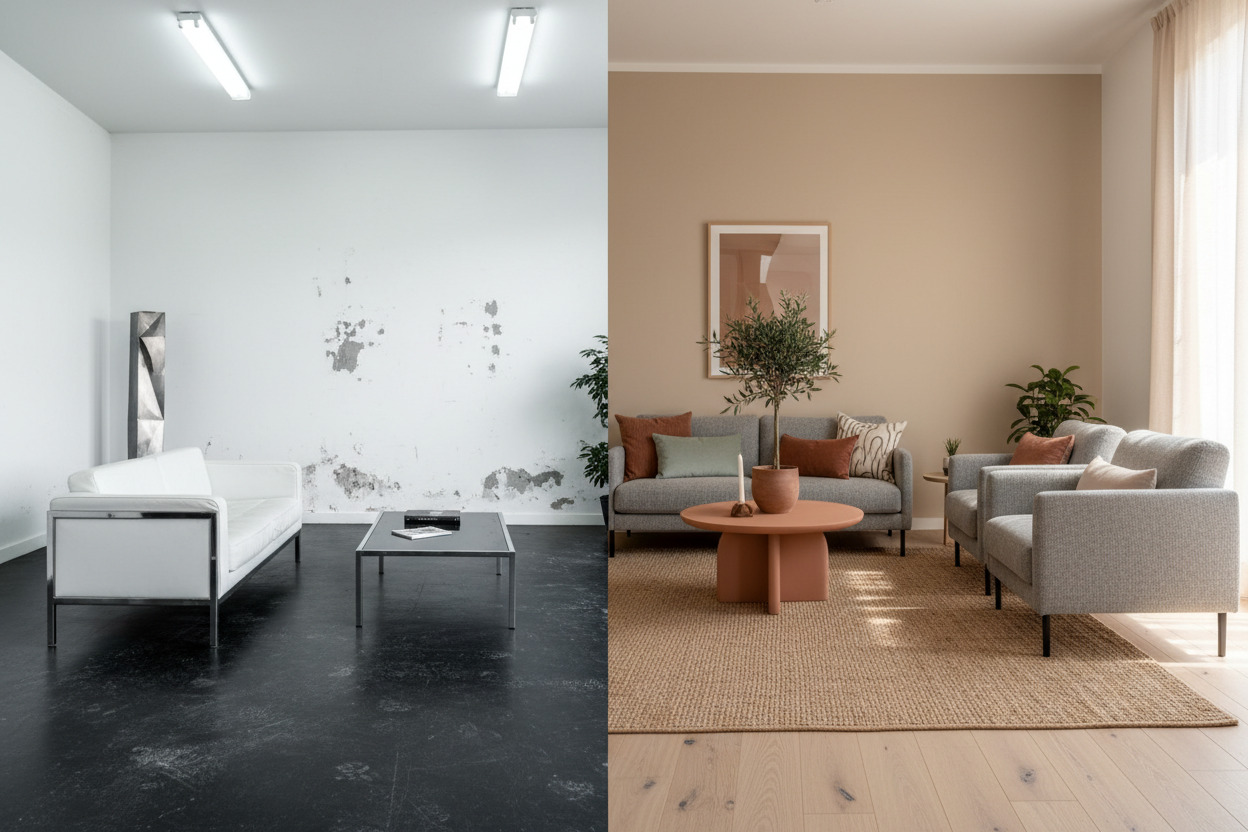
Cohesive flooring design goes far beyond simply choosing attractive materials. In nursing homes, flooring serves as the foundation for creating environments that feel less institutional and more like home. When residents move from their private rooms to common areas, dining spaces, and therapy rooms, consistent design elements help them feel oriented and comfortable.
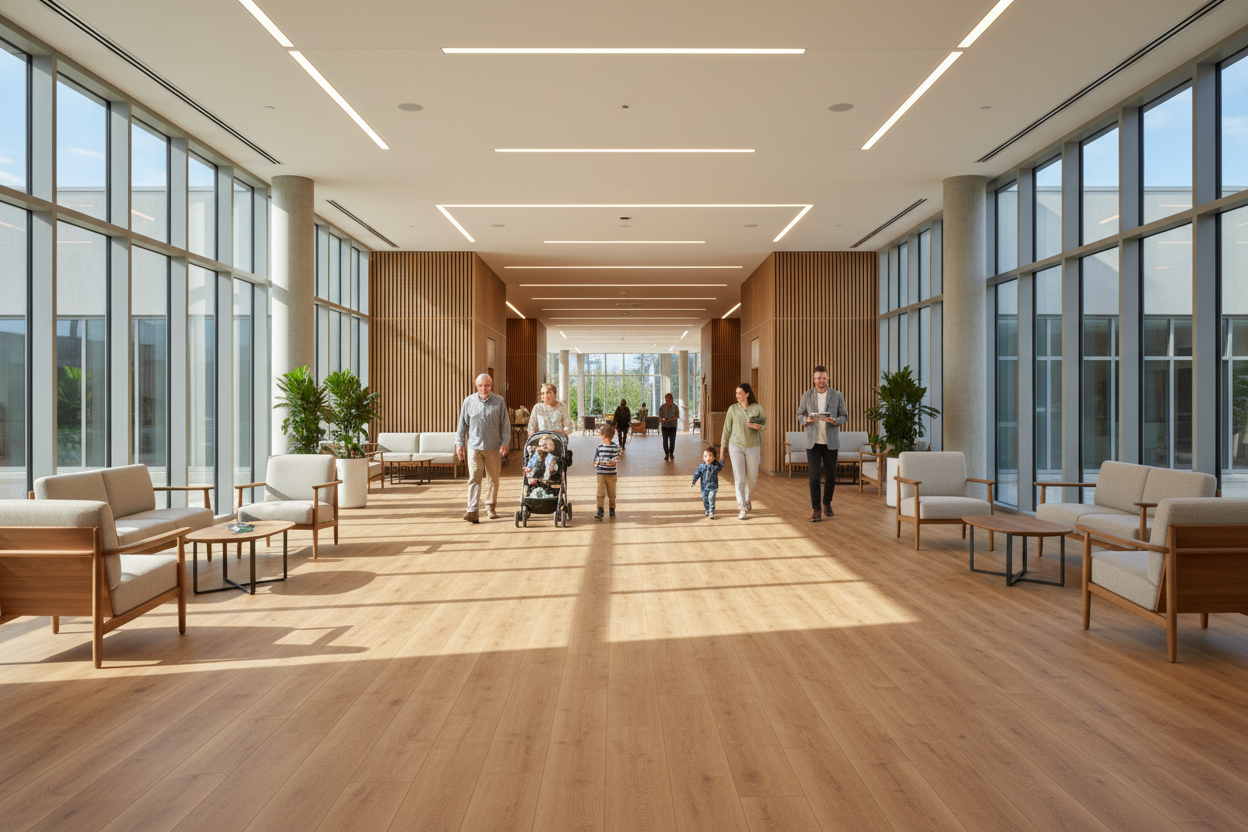
Research shows that well-designed healthcare environments can actually improve patient outcomes and reduce anxiety. The flooring beneath our feet is one of the most significant visual elements in any space, covering every square inch of the facility. When it’s thoughtfully coordinated, it creates a sense of flow and continuity that makes the entire facility feel more cohesive and intentional.
I remember visiting a nursing home where each wing had completely different flooring – from outdated carpet in one area to stark linoleum in another. The jarring transitions made the facility feel disjointed and institutional. Compare that to facilities where careful attention has been paid to creating smooth visual transitions, and the difference is remarkable. ✨
Key Considerations for Nursing Home Flooring Selection
Before diving into specific design strategies, it’s essential to understand the unique requirements that nursing home flooring must meet. These considerations will guide every decision you make in creating your cohesive design.
Safety stands as the top priority in any nursing home environment. The flooring must provide excellent slip resistance, especially in areas where water or other liquids might be present. Falls are a significant concern for elderly residents, and the right flooring can help prevent accidents while maintaining an attractive appearance.
Infection control represents another critical factor. Nursing home flooring must be easy to clean and sanitize without harboring bacteria or other pathogens. This requirement often rules out certain materials like traditional carpet in many areas, though modern antimicrobial carpeting options are becoming available.
Durability and maintenance requirements also play crucial roles in material selection. High-traffic areas like corridors and common spaces need flooring that can withstand constant use while maintaining its appearance over time. The last thing you want is flooring that looks worn and tired just a few months after installation.
Comfort considerations are equally important. Many residents spend significant time walking or using mobility aids on these floors, so materials should provide appropriate cushioning and support. Hard surfaces might be easier to maintain, but they can be unforgiving on joints and increase fatigue.
Creating Visual Flow Between Different Areas
One of the most effective ways to achieve cohesive flooring design is by creating smooth visual transitions between different areas of the nursing home. This doesn’t mean using identical flooring everywhere – in fact, that approach can make spaces feel monotonous and institutional.
Instead, think about using a consistent color palette that flows throughout the facility. You might choose a warm neutral base color that appears in every area, then add accent colors or patterns that are specific to different zones. For example, the main corridors might feature a warm beige luxury vinyl plank, while dining areas incorporate the same beige with wood-look accents that add warmth and elegance.
Transition strips and borders offer another opportunity to create visual connections. Rather than abrupt changes from one flooring type to another, consider using decorative borders or transition pieces that bridge different materials. A subtle tile border between a corridor and a common area can signal the change in space while maintaining visual continuity.
The scale and pattern of your flooring choices should also work together harmoniously. If you’re using patterned flooring in one area, consider how it will look when viewed from adjacent spaces. Large-scale patterns might work beautifully in spacious common areas but could feel overwhelming in smaller residential corridors. 🎨
Choosing the Right Materials for Different Zones
Different areas of a nursing home have varying requirements, but your material choices should still work together to create a cohesive overall design. Understanding which materials work best in each zone will help you make informed decisions that balance functionality with aesthetics.
Resident rooms often benefit from softer flooring materials that provide comfort and warmth. Luxury vinyl plank (LVP) with wood looks has become increasingly popular because it offers the warmth of hardwood with superior durability and easy maintenance. Some facilities are also exploring antimicrobial carpet tiles in bedrooms, which can provide comfort while meeting infection control standards.
Common areas and dining spaces typically require highly durable materials that can handle heavy furniture and frequent cleaning. Luxury vinyl tile (LVT) with stone or ceramic looks provides excellent durability while offering sophisticated aesthetics. These materials can mimic natural stone or high-end ceramics at a fraction of the cost and maintenance requirements.
Corridors and high-traffic areas need the most durable flooring options available. Sheet vinyl or large-format LVT works well in these spaces, providing seamless surfaces that are easy to clean and maintain. The key is choosing products that offer realistic textures and patterns rather than obviously artificial appearances.
Specialized areas like therapy rooms, kitchens, and medical treatment areas may require specific flooring types for safety or hygiene reasons. The challenge is integrating these necessary materials into your overall design scheme without creating jarring transitions.
Color Psychology and Its Impact on Residents
The colors you choose for your nursing home flooring have a profound psychological impact on residents, staff, and visitors. Understanding color psychology can help you create environments that promote well-being and comfort while maintaining your cohesive design goals.
Warm, neutral colors like soft beiges, warm grays, and muted earth tones tend to create calming, welcoming environments. These colors work particularly well as base colors throughout a facility because they’re versatile enough to complement various accent colors and design elements. They also tend to hide everyday wear and soil better than stark whites or very dark colors.
Cool colors like soft blues and greens can be soothing and are often associated with cleanliness and tranquility. However, be cautious with cool colors in areas where residents spend significant time, as they can sometimes feel cold or institutional if not balanced with warmer elements.
Avoiding certain color combinations is just as important as choosing the right ones. High contrast patterns or very bold colors can be disorienting for residents with dementia or vision issues. Similarly, colors that might create optical illusions or appear to show depth changes should be avoided to prevent falls or confusion.
Consider how natural and artificial lighting will affect your color choices throughout the day. A color that looks perfect under showroom lighting might appear completely different under the fluorescent or LED lighting common in healthcare facilities. Always test samples in the actual environment where they’ll be installed. 💡
Practical Implementation Strategies
Creating a cohesive flooring design requires careful planning and strategic implementation. Start by developing a comprehensive flooring plan that maps out material choices for every area of the facility. This plan should include detailed specifications for each product, including color codes, pattern orientations, and transition details.
Phased installation can be particularly beneficial for nursing homes that need to remain operational during renovations. Plan your installation sequence to minimize disruption to residents and staff while maintaining access to essential areas. Consider starting with less critical areas to test your design choices before moving to high-visibility spaces.
Working with experienced contractors who understand healthcare facility requirements is crucial for successful implementation. These professionals can help you navigate challenges like infection control protocols during installation, proper subfloor preparation, and compliance with healthcare building codes.
Quality control throughout the installation process ensures that your cohesive design vision becomes reality. Regular inspections and clear communication with installation teams help catch potential issues before they become costly problems. Don’t hesitate to speak up if something doesn’t look right – it’s much easier to address concerns during installation than after completion.
Documentation of your flooring choices, including product specifications, installation details, and maintenance requirements, will prove invaluable for future maintenance and renovations. This information helps ensure that any repairs or updates maintain the cohesive look you’ve worked so hard to achieve.
Maintenance and Longevity Considerations
A cohesive flooring design is only as good as its ability to maintain its appearance over time. Developing comprehensive maintenance protocols for each flooring type in your facility ensures that your investment continues to look great and function properly for years to come.
Different flooring materials require different maintenance approaches, but your cleaning protocols should be designed to maintain the overall cohesive appearance. This might mean adjusting cleaning schedules so that adjacent areas are maintained at the same frequency, preventing some areas from looking noticeably better or worse than others.
Preventive maintenance programs can significantly extend the life of your flooring investment. Regular deep cleaning, prompt attention to spills and stains, and periodic professional maintenance help prevent small issues from becoming major problems. Consider establishing relationships with professional cleaning services that specialize in healthcare environments.
Planning for future updates and repairs is essential for maintaining your cohesive design over time. Keep detailed records of product specifications and maintain relationships with suppliers to ensure you can source matching materials when needed. Some facilities even purchase extra materials at the time of initial installation to ensure perfect matches for future repairs.
Staff training on proper maintenance techniques protects your flooring investment and helps maintain the professional appearance that contributes to your facility’s reputation. When everyone understands how to properly care for different flooring types, the entire facility benefits from improved longevity and appearance. 🧽
Budget-Friendly Approaches to Cohesive Design
Creating a cohesive flooring design doesn’t have to break the budget. Smart planning and strategic choices can help you achieve beautiful, unified results even with limited resources.
Prioritizing high-impact areas allows you to focus your budget where it will make the most difference. Entrance areas, main corridors, and common spaces where residents and visitors spend the most time should receive priority in your budget allocation. These areas set the tone for the entire facility and have the greatest impact on first impressions.
Choosing versatile materials that work well in multiple applications can help reduce costs while maintaining design cohesion. A high-quality luxury vinyl product might cost more per square foot than basic options, but if it can be used throughout multiple areas of the facility, the overall project cost might be lower than using several different products.
Phased renovation approaches allow you to spread costs over time while gradually improving the facility’s appearance. Start with the most critical areas and expand the cohesive design as budget allows. This approach also lets you test your design choices and make adjustments before committing to the entire facility.
Consider the total cost of ownership, not just initial purchase prices. A slightly more expensive flooring material that lasts twice as long and requires less maintenance might actually be more cost-effective over time. Factor in cleaning costs, replacement frequency, and potential downtime when evaluating different options.
Conclusion
Creating a cohesive look with flooring throughout nursing homes is both an art and a science. It requires balancing aesthetic goals with practical requirements, understanding the unique needs of elderly residents, and planning for long-term success. When done thoughtfully, cohesive flooring design transforms institutional spaces into welcoming, homelike environments that benefit everyone who enters.
The investment in cohesive flooring design pays dividends in improved resident satisfaction, enhanced facility reputation, and reduced long-term maintenance costs. More importantly, it creates environments where residents feel comfortable, safe, and at home – which is ultimately the goal of every nursing home.
Remember that creating cohesive design is an ongoing process. As your facility evolves and grows, your flooring choices should continue to support the warm, welcoming environment you’ve worked to create. With careful planning, quality materials, and ongoing attention to maintenance, your cohesive flooring design will serve your facility and its residents well for many years to come. 🌟
Whether you’re starting from scratch or updating an existing facility, the principles outlined in this guide will help you create flooring designs that truly make a difference in the daily lives of nursing home residents and staff alike.
Call Us Now!