 Skip to content
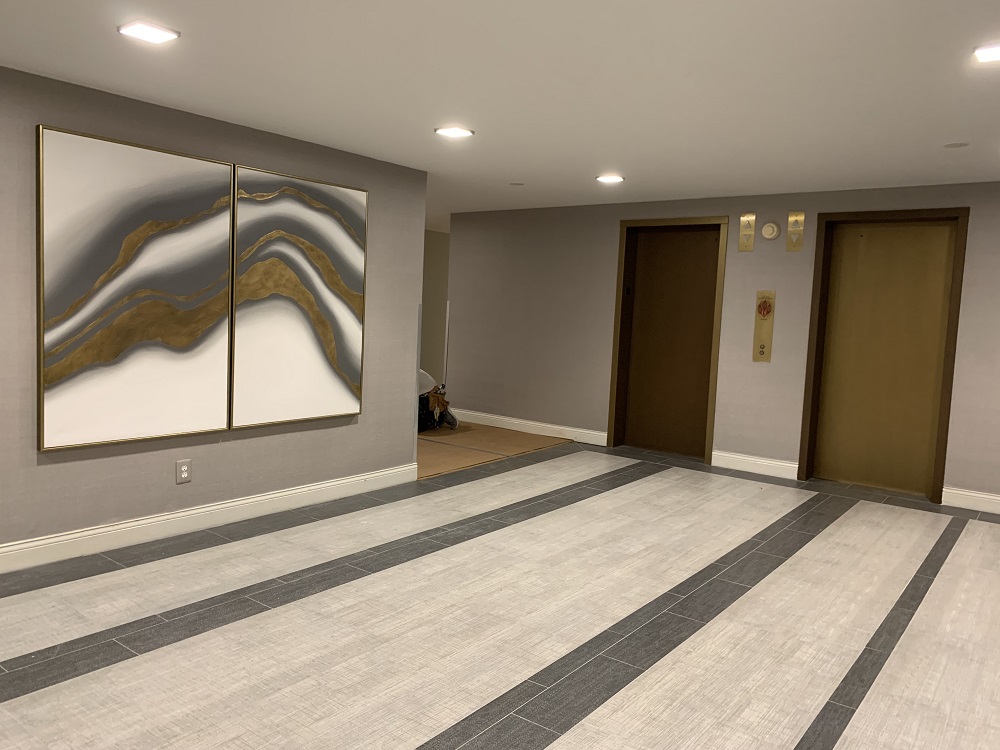
Nursing homes require durable and functional flooring that can withstand heavy foot traffic, provide safety, and offer ease of maintenance. Choosing the right flooring is crucial to ensure the comfort, safety, and well-being of the residents. This buyer’s guide will walk you through the key factors to consider when selecting flooring for nursing homes and highlight various flooring options suitable for this environment.
Factors to Consider When Choosing Flooring for Nursing Homes

- Safety features: Safety is paramount in nursing homes. Look for flooring options that offer slip resistance, impact absorption, and adequate cushioning to minimize the risk of falls and injuries.
- Durability and longevity: Flooring in nursing homes should be able to withstand daily wear and tear, heavy furniture, and frequent cleaning. Opt for materials known for their durability and longevity.
- Ease of maintenance: Nursing homes require flooring that is easy to clean and maintain. Consider flooring options that are stain-resistant, waterproof, and can withstand regular cleaning without losing their integrity.
- Slip resistance: To prevent slips and falls, choose flooring with a high slip resistance rating. Look for materials with textured surfaces or non-slip coatings.
- Noise reduction: Nursing homes can be bustling places with various activities taking place simultaneously. Flooring that reduces noise levels can create a more peaceful and comfortable environment for residents.
- Comfort and ergonomics: Comfort is essential for residents spending a significant amount of time in nursing homes. Select flooring that provides underfoot comfort, minimizes strain on joints, and reduces fatigue.
Types of Flooring Suitable for Nursing Homes
- Vinyl flooring: Vinyl flooring is a popular choice for nursing homes due to its durability, low maintenance requirements, and wide range of design options. It is water-resistant, slip-resistant, and can replicate the appearance of natural materials.
- Rubber flooring: Rubber flooring is known for its exceptional durability, slip resistance, and shock absorption properties. It offers excellent comfort, reduces noise levels, and is easy to clean.
- Carpet tiles: Carpet tiles provide warmth, comfort, and noise reduction. They are available in various patterns and colors, allowing for design flexibility. Carpet tiles are easy to replace if damaged or stained.
- Luxury vinyl tiles (LVT): LVT combines the durability and low maintenance of vinyl flooring with the visual appeal of natural materials like wood or stone. It offers a high level of comfort and is resistant to scratches and stains.
- Laminate flooring: Laminate flooring is an affordable option that can mimic the appearance of hardwood or stone. It is durable, easy to clean, and offers good resistance to scratches and fading.
- Hardwood flooring: Hardwood flooring adds a touch of elegance to nursing homes. It is durable, can be refinished multiple times, and provides a warm and inviting ambiance. However, it requires regular maintenance and is susceptible to moisture damage.
- Ceramic tiles: Ceramic tiles are a practical choice for high-traffic areas in nursing homes. They are water-resistant, easy to clean, and come in various colors and designs. However, they can be hard and cold underfoot.
Pros and Cons of Each Flooring Type
Vinyl flooring
Pros:
- Durable and long-lasting
- Wide range of design options
- Water-resistant and easy to clean
- Slip-resistant surface
- Cost-effective
Cons:
- Can emit volatile organic compounds (VOCs)
- Susceptible to scratches and dents
Rubber flooring
Pros:
- Excellent durability and impact absorption
- Slip-resistant surface
- Comfortable and ergonomic
- Easy to maintain and clean
- Reduces noise levels
Cons:
- Limited design options
- Can be more expensive than other flooring types
Carpet tiles
Pros:
- Provides warmth and comfort
- Excellent noise reduction
- Easy to replace if damaged
- Numerous design options
- Slip-resistant with proper backing
Cons:
- Requires regular vacuuming and deep cleaning
- Can stain easily if not properly maintained
Luxury vinyl tiles (LVT)
Pros:
- Mimics the look of natural materials
- Durable and resistant to scratches
- Easy to clean and maintain
- Comfortable underfoot
- Water-resistant
Cons:
- Can be more expensive than other vinyl flooring options
- Prone to fading in direct sunlight
Laminate flooring
Pros:
- Affordable and versatile
- Resistant to scratches and fading
- Easy to clean and maintain
- Can mimic the appearance of natural materials
- Suitable for moderate foot traffic areas
Cons:
- Not as durable as some other flooring options
- Susceptible to moisture damage if not properly installed
Hardwood flooring
Pros:
- Adds a touch of elegance
- Durable and can be refinished multiple times
- Enhances the value of the property
- Warm and inviting ambiance
Cons:
- Expensive upfront cost
- Requires regular maintenance and refinishing
- Susceptible to moisture damage
Ceramic tiles
Pros:
- Water-resistant and easy to clean
- Numerous design options
- Durable and resistant to scratches
- Suitable for high-traffic areas
- Can be combined with underfloor heating systems
Cons:
- Hard and cold underfoot
- Prone to chipping if heavy objects are dropped
- Grout lines require regular cleaning and maintenance
Flooring Considerations for Different Areas of Nursing Homes

- Resident rooms: Opt for flooring that provides comfort, noise reduction, and slip resistance. Carpet tiles or vinyl flooring with cushioned backing can be suitable options.
- Common areas: Durable flooring that can withstand heavy foot traffic is crucial in common areas. Vinyl or rubber flooring can be ideal choices due to their durability and ease of maintenance.
- Dining areas: Choose flooring that is resistant to spills and stains. Vinyl or luxury vinyl tiles (LVT) are easy to clean and offer good durability.
- Bathrooms: Slip resistance and moisture resistance are essential in bathroom areas. Ceramic tiles with textured surfaces or vinyl flooring with slip-resistant properties are suitable options.
- Hallways: Hallways experience heavy foot traffic, requiring durable and slip-resistant flooring. Rubber flooring or vinyl flooring with high slip resistance ratings are recommended.
- Therapy rooms: Comfort, shock absorption, and ergonomic features are vital in therapy rooms. Rubber flooring or carpet tiles can provide the necessary comfort and support.
Budget Considerations
When selecting flooring for nursing homes, it’s essential to consider the budget implications. While some flooring options may have a higher upfront cost, they might require less maintenance and replacement over time. Consider the initial cost, as well as the long-term maintenance and replacement costs to make an informed decision that aligns with your budget.
Installation and Maintenance Tips
To ensure the optimal performance and longevity of the flooring in nursing homes, follow these installation and maintenance tips:
- Professional installation: Hire experienced professionals for proper installation to avoid any issues or errors.
- Regular cleaning and maintenance: Develop a routine cleaning schedule to keep the flooring clean and free from debris. Promptly address any spills or stains to prevent permanent damage.
- Floor care products and equipment: Use appropriate cleaning products and equipment recommended by the flooring manufacturer to maintain the integrity and appearance of the flooring.
Choosing durable flooring for nursing homes is crucial to ensure the safety, comfort, and well-being of residents. Consider factors like safety features, durability, ease of maintenance, slip resistance, and comfort when selecting the appropriate flooring. Assess the pros and cons of different flooring types and consider the specific requirements of different areas within the nursing home. By making informed choices and following proper installation and maintenance practices, you can create a safe and inviting environment for residents.
FAQs
- Q: How long does vinyl flooring last in a nursing home?
- A: Vinyl flooring in nursing homes can last for 15 to 20 years with proper maintenance and care.
- Q: Is hardwood flooring suitable for nursing home hallways?
- A: Hardwood flooring can be used in nursing home hallways if it is properly sealed and maintained to withstand heavy foot traffic.
- Q: Can rubber flooring be installed in bathrooms?
- A: Yes, rubber flooring is a suitable option for bathrooms as it offers slip resistance and moisture resistance.
- Q: Are carpet tiles easy to replace if they get stained?
- A: Yes, one of the advantages of carpet tiles is that they can be easily replaced if stained or damaged.
- Q: What is the best flooring option for therapy rooms in nursing homes?
- A: Rubber flooring or carpet tiles are recommended for therapy rooms as they provide comfort, shock absorption, and support.