 Skip to content

How to Use Flooring to Highlight Key Areas in Nursing Homes: A Complete Design Guide 🏥
When it comes to creating a welcoming, functional environment in nursing homes, every design element matters. But here’s something many facility managers overlook: flooring can be your secret weapon for improving navigation, safety, and overall resident experience. Strategic flooring choices don’t just protect against slips and falls—they can actually guide residents, visitors, and staff through your facility with remarkable effectiveness.
Think about it this way: imagine walking into a space where you instinctively know where to go without reading a single sign. That’s the power of thoughtful flooring design. Today, we’ll explore how different flooring materials, colors, and patterns can transform your nursing home into an intuitive, beautiful space that truly serves its community.
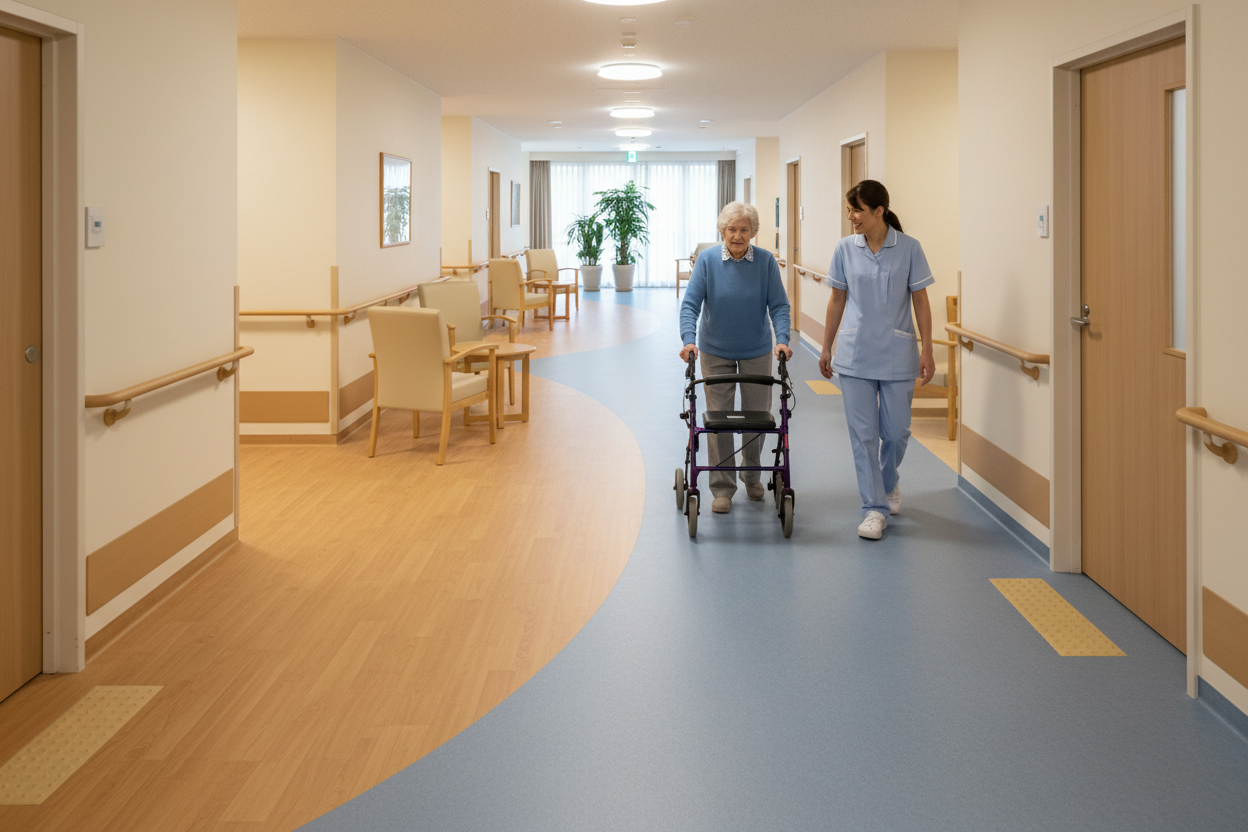
Understanding the Psychology of Flooring in Healthcare Environments 🧠
Before diving into specific techniques, it’s crucial to understand how flooring affects the human psyche, especially for elderly residents who may be dealing with cognitive challenges. Flooring isn’t just something we walk on—it’s a visual cue that our brains process constantly, often subconsciously.
Research shows that contrasting flooring can help individuals with dementia navigate more effectively. When residents can clearly distinguish between different areas through visual cues, they feel more confident and independent. This isn’t just about aesthetics; it’s about dignity and quality of life.
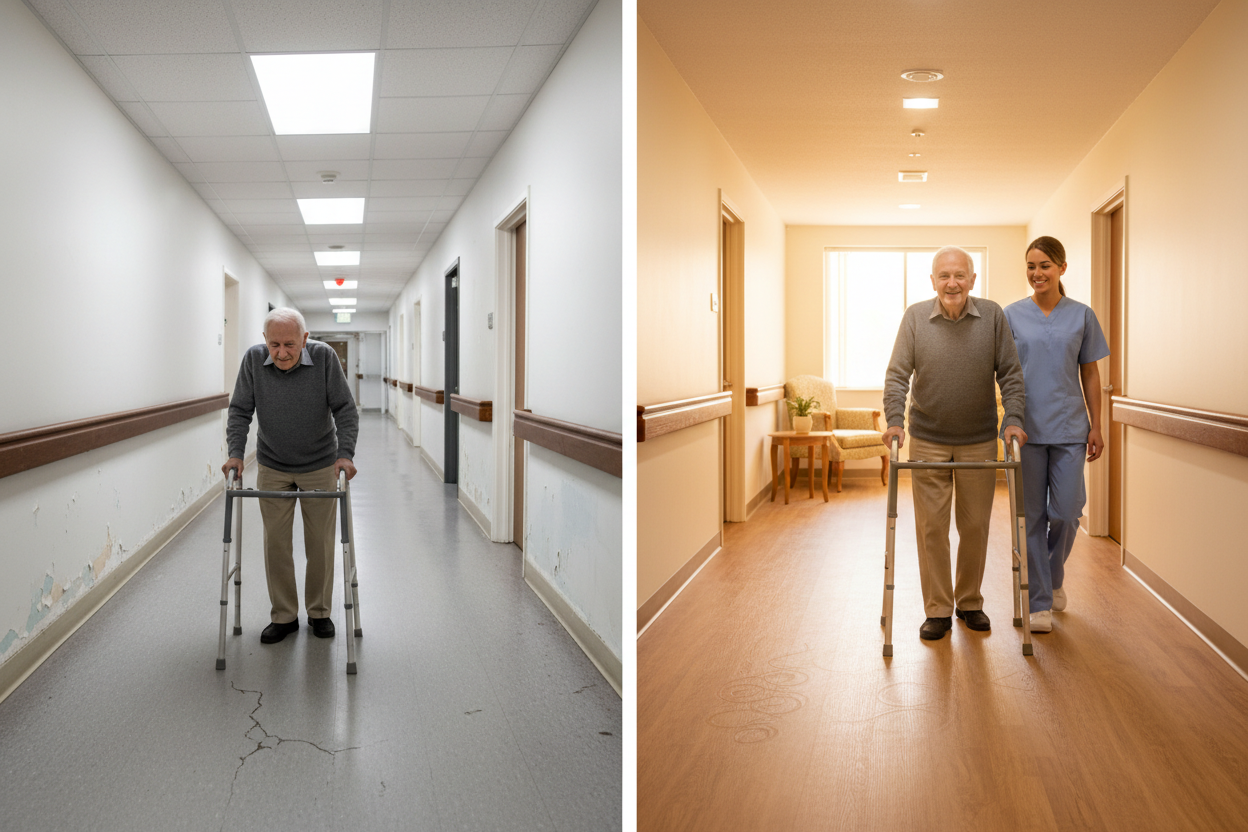
Consider how a warm, wood-look vinyl in common areas can create a homey atmosphere, while a clean, bright tile in medical areas signals professionalism and cleanliness. These subtle psychological triggers help residents and visitors understand the purpose of each space without feeling overwhelmed by signage or confusion.
Creating Wayfinding Through Strategic Flooring Choices 🗺️
One of the most powerful applications of strategic flooring is wayfinding—helping people navigate your facility intuitively. This goes far beyond simply choosing different colors for different rooms.
Start by mapping out the natural flow of your facility. Where do visitors typically enter? What’s the path from the main entrance to the reception desk? How do residents move from their rooms to dining areas, activity spaces, and outdoor areas? Once you understand these traffic patterns, you can use flooring to reinforce and guide these movements.
For main corridors, consider using a neutral base color with subtle directional patterns or borders that lead toward key destinations. Think of it like creating a river that naturally flows where you want people to go. Carpet tiles with directional patterns can be particularly effective here, as they provide comfort underfoot while subtly guiding movement.
At decision points—places where hallways intersect or where residents need to choose between different destinations—use contrasting flooring materials or colors to signal that this is a place to pause and consider direction. A circular pattern in a different material can mark these decision points effectively.
Defining Functional Zones with Flooring Materials 🏗️
Different areas of your nursing home serve different purposes, and your flooring should reflect this functional diversity. Let’s break down how to approach each major zone:
Entrance and Reception Areas: These spaces need to make a strong first impression while being highly durable. Large-format tiles or luxury vinyl planks in sophisticated patterns can create an upscale hotel-like feel. Consider using a border or inlay design to define the reception desk area, making it a clear focal point for visitors seeking assistance.
Dining Spaces: Here, you want warmth and comfort, but also easy maintenance. Wood-look luxury vinyl or laminate can provide the cozy feel of a family dining room while standing up to spills and frequent cleaning. Use area rugs or different flooring patterns to define individual seating areas within larger dining halls.
Medical and Clinical Areas: These zones require the highest level of hygiene and should feel clean and professional. Seamless sheet vinyl or large-format tiles with minimal grout lines work best. Consider using slightly different tones—perhaps a cooler gray versus warmer beige—to distinguish between different types of medical spaces.
Resident Rooms: Comfort is key here. Carpet tiles offer warmth and sound absorption, and they’re practical because individual tiles can be replaced if damaged. Different color schemes can help residents identify their own rooms more easily.
Color Psychology and Accessibility in Nursing Home Flooring 🎨
Color isn’t just about aesthetics—it’s a powerful tool for communication and accessibility. The right color choices can reduce anxiety, improve navigation, and even influence appetite and social interaction.
Warm colors like soft browns, muted golds, and gentle oranges can make common areas feel more inviting and social. These colors encourage gathering and conversation. Cool colors like soft blues and greens work well in quiet zones like libraries or meditation spaces, promoting calm and reflection.
For residents with visual impairments, contrast is crucial. Ensure there’s sufficient contrast between flooring and wall colors so that residents can clearly distinguish where the floor ends and walls begin. This prevents disorientation and reduces fall risk.
Avoid patterns that could be confusing or frightening to residents with cognitive impairments. High-contrast geometric patterns might be visually striking, but they can appear as obstacles or holes to someone with dementia. Instead, opt for subtle textures and gentle color variations that add visual interest without causing confusion.
Safety Considerations and Slip-Resistant Solutions 🛡️
Safety must be your top priority when selecting nursing home flooring, but that doesn’t mean sacrificing style or functionality. Modern flooring materials offer excellent slip resistance while maintaining attractive appearances.
Look for flooring materials with appropriate slip resistance ratings for each area. Wet areas like kitchens and bathrooms need higher slip resistance than dry corridor areas. Many luxury vinyl and tile products now come with textured surfaces that provide excellent traction without feeling rough underfoot.
Consider the maintenance implications of your flooring choices. A floor that requires frequent waxing might become slippery between maintenance cycles. Products with built-in slip resistance that doesn’t depend on surface treatments are often safer long-term choices.
Transition strips between different flooring materials should be minimal and flush-mounted to prevent tripping hazards. When you’re using flooring to define different areas, smooth transitions are essential for wheelchair accessibility and walker safety.
Maintenance and Durability: Long-Term Success Strategies 🔧
The most beautifully designed flooring system won’t serve your residents well if it doesn’t hold up to daily use and cleaning. Nursing homes face unique maintenance challenges, from medical spills to heavy foot traffic and frequent deep cleaning.
Choose materials that can withstand commercial-grade cleaners and disinfectants without losing their appearance or integrity. Many modern luxury vinyl products are specifically designed for healthcare environments and can handle even harsh cleaning protocols.
Consider the replacement strategy for each area. Modular flooring systems like carpet tiles or luxury vinyl tiles allow you to replace individual sections without redoing entire rooms. This is particularly valuable in high-wear areas or spaces where medical incidents might damage the flooring.
Plan for regular deep cleaning and refinishing schedules. Even the most durable flooring will need periodic maintenance to keep it looking its best and performing safely. Factor these costs into your long-term budget planning.
Budget-Friendly Ways to Implement Strategic Flooring Design 💰
Not every nursing home has an unlimited budget for flooring upgrades, but that doesn’t mean you can’t implement effective design strategies. Smart planning can help you achieve maximum impact with minimal investment.
Start with high-impact, high-traffic areas. Focus your budget on entrance areas, main corridors, and primary gathering spaces where flooring changes will be most noticed and beneficial. You can phase additional improvements over time as budget allows.
Consider using area rugs strategically to define spaces and add color without replacing existing flooring. High-quality commercial rugs can transform a space and are much less expensive than full flooring replacement.
Look into modular systems that allow for gradual upgrades. You might start by replacing flooring in one wing or one type of space, then expand the design concept to other areas over time. This approach also allows you to test how residents and staff respond to changes before committing to facility-wide implementation.
Conclusion: Transforming Your Nursing Home Through Thoughtful Flooring Design ✨
Strategic flooring design in nursing homes is about so much more than choosing pretty colors or durable materials. It’s about creating an environment where residents feel confident, visitors feel welcome, and staff can work efficiently. When done thoughtfully, flooring becomes an invisible guide that helps everyone navigate your facility with ease and comfort.
Remember that the best flooring design is one that serves your specific community’s needs. Consider your residents’ cognitive abilities, mobility challenges, and personal preferences. Think about your staff’s daily workflows and your visitors’ experiences. Most importantly, don’t be afraid to start small and build on your successes.
Every step toward better design is a step toward better care, and your residents deserve an environment that supports their dignity, independence, and quality of life. With careful planning and strategic implementation, your flooring choices can contribute significantly to achieving these goals while staying within budget and maintenance capabilities.
The floor beneath our feet might seem like a small detail, but in nursing home design, it’s often these thoughtful details that make the biggest difference in daily life. Start planning your flooring strategy today, and watch how these changes can transform not just your facility’s appearance, but the entire experience of everyone who walks through your doors.
Call Us Now!