 Skip to content

The Role of Flooring in Resident Safety During Natural Disasters: Your Foundation for Protection 🏠
When we think about preparing our homes for natural disasters, our minds often jump to emergency kits, evacuation plans, and securing outdoor furniture. But there’s one crucial element that literally supports us through every crisis – our flooring. The surfaces beneath our feet play a surprisingly vital role in keeping us safe when Mother Nature unleashes her fury. 🌪️
From earthquakes that shake the very ground we stand on to floods that transform our living rooms into temporary lakes, the type of flooring in your home can mean the difference between safety and serious injury. It’s not just about aesthetics or comfort anymore – it’s about survival, stability, and smart disaster preparedness.
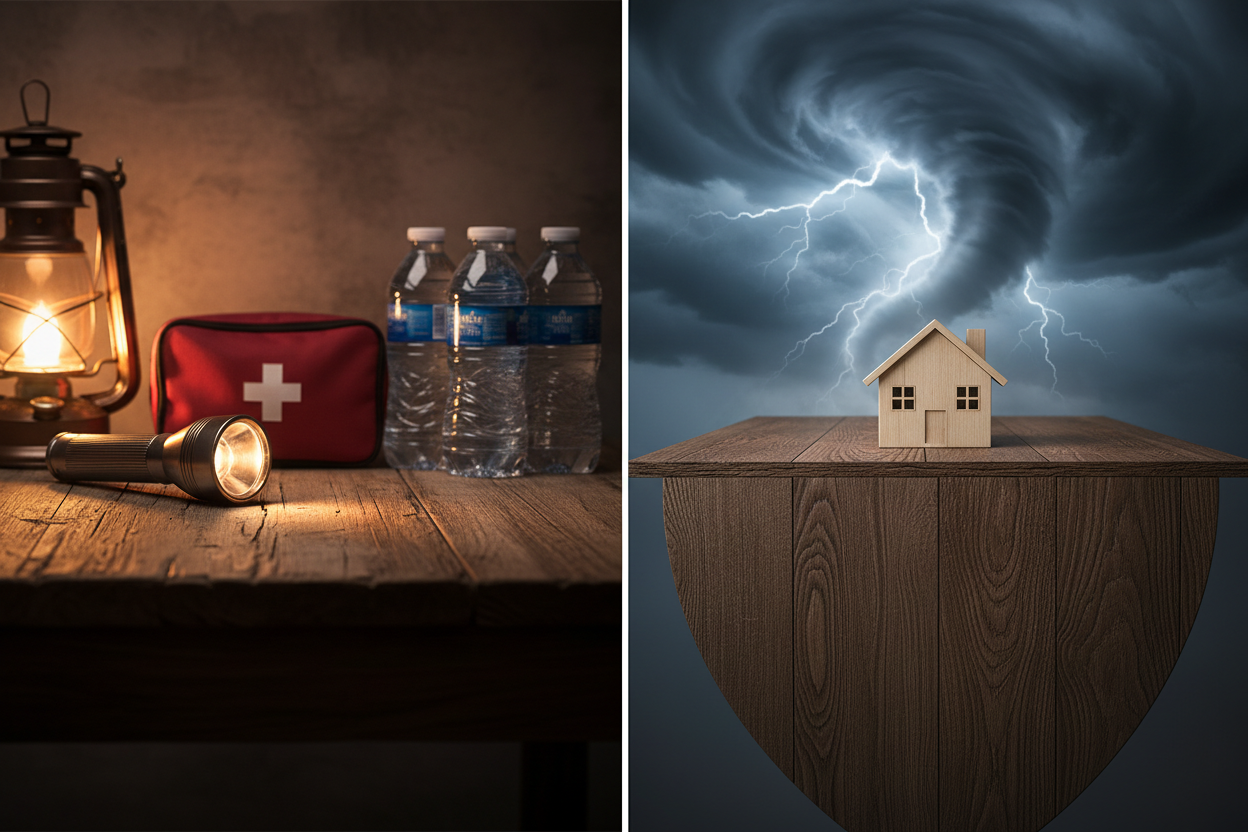
Let’s dive deep into how different flooring materials perform under extreme conditions and discover which options offer the best protection for you and your loved ones when disaster strikes.
Understanding Natural Disaster Risks and Flooring Vulnerabilities 🌊
Natural disasters don’t discriminate, and neither should our approach to flooring safety. Each type of catastrophic event presents unique challenges that can turn seemingly innocent floor surfaces into hazardous obstacles or, conversely, life-saving foundations.
During earthquakes, floors must provide stability while withstanding tremendous lateral forces. Floods demand water-resistant materials that won’t buckle, warp, or become slippery death traps. Hurricanes bring wind-driven debris and sudden water intrusion, while tornadoes can create rapid pressure changes that affect structural integrity.
The reality is sobering: according to emergency response data, a significant percentage of disaster-related injuries occur due to falls, slips, and structural failures – many of which are directly related to flooring performance. Understanding these vulnerabilities is the first step toward making informed decisions about your home’s foundation safety.
Earthquake-Resistant Flooring: Standing Firm When the Earth Moves 🏗️
Earthquakes present unique challenges for flooring systems. When the ground beneath your home shifts and shakes, your floors need to flex without breaking, provide stable footing, and maintain their integrity even under extreme stress.
Engineered hardwood flooring has emerged as a top performer in seismic zones. Unlike traditional solid hardwood, engineered planks consist of multiple layers that move independently, reducing the likelihood of catastrophic failure during ground movement. The cross-grain construction provides stability while allowing for natural expansion and contraction.
Luxury vinyl plank (LVP) flooring also excels in earthquake-prone areas. Its flexible composition absorbs shock and vibration, while the click-lock installation system allows individual planks to move slightly without separating completely. This floating floor system doesn’t rely on rigid adhesion to the subfloor, making it remarkably resilient during seismic events.
Concrete floors, when properly reinforced and finished with appropriate coatings, offer exceptional earthquake resistance. However, they must be professionally installed with proper expansion joints and reinforcement to prevent cracking that could create trip hazards or structural weaknesses.
Flood-Resistant Flooring Solutions: Rising Above the Waters 💧
When flood waters invade your home, traditional flooring materials can quickly transform from protective surfaces into dangerous, unstable hazards. Water damage doesn’t just mean costly repairs – it can create immediate safety risks that endanger lives.
Ceramic and porcelain tile flooring stands as the gold standard for flood resistance. These materials are essentially waterproof, maintain their structural integrity when submerged, and provide stable footing even when wet. The key lies in proper installation with waterproof grout and appropriate drainage considerations.
Polished concrete floors offer another excellent flood-resistant option. When properly sealed, concrete resists water penetration and can be quickly cleaned and sanitized after flood events. The smooth surface also prevents the growth of mold and bacteria that often plague other flooring materials after water exposure.
Modern waterproof vinyl flooring has revolutionized flood preparedness for residential spaces. Unlike traditional vinyl that could separate at seams when exposed to water, today’s waterproof options feature advanced locking mechanisms and water-resistant cores that maintain integrity even during prolonged submersion.
Hurricane and Storm-Ready Flooring: Weathering the Storm 🌀
Hurricanes bring a devastating combination of wind, water, and debris that can overwhelm even well-prepared homes. Your flooring must be ready to handle sudden water intrusion, maintain stability during high winds, and resist damage from wind-blown debris.
The challenge with hurricane preparedness is the unpredictable nature of the damage. Water might enter through damaged roofing, broken windows, or compromised doors. Wind pressure can affect the structural integrity of floors, particularly in elevated homes or those with large open spaces.
Rubber flooring, often overlooked in residential applications, provides excellent hurricane resistance. Its naturally water-resistant properties, combined with exceptional grip even when wet, make it an ideal choice for areas prone to storm damage. The material’s flexibility also helps it withstand structural movement during high winds.
Stone flooring, including natural stone and engineered stone products, offers remarkable durability against hurricane conditions. These materials resist water damage, provide stable footing, and can withstand impact from debris. However, proper installation and sealing are crucial for optimal performance.
Fire-Resistant Flooring: Protection Against Heat and Flames 🔥
While we often focus on water-related disasters, fire poses an equally serious threat to home safety. Your flooring choice can significantly impact evacuation safety and the spread of flames throughout your home.
Concrete floors provide excellent fire resistance, as they won’t ignite or contribute to flame spread. In the event of a house fire, concrete maintains its structural integrity longer than many other materials, potentially providing crucial extra time for safe evacuation.
Ceramic and porcelain tiles are naturally fire-resistant and won’t release toxic fumes when exposed to high temperatures. This characteristic is particularly important in maintaining safe air quality during fire emergencies when every breath counts.
Natural stone flooring offers similar fire-resistant properties to ceramic tiles but with the added benefit of thermal mass that can help slow the spread of heat through floor systems. This can be particularly valuable in multi-story homes where fire containment is crucial.
Installation Considerations for Maximum Disaster Resilience 🔧
Even the most disaster-resistant flooring materials can fail if not properly installed. The installation method, subfloor preparation, and attention to detail during construction play crucial roles in determining how your floors will perform when disaster strikes.
Proper moisture barriers are essential for any flooring system, regardless of the material chosen. These barriers prevent water intrusion from below and help maintain structural integrity during flood events. In areas prone to flooding, consider installing drainage systems beneath your floors to channel water away from living spaces.
Expansion joints and flexible transitions become critical in disaster-prone areas. These features allow floors to move naturally during seismic events or temperature fluctuations without creating dangerous gaps or raised edges that could cause falls.
Professional installation by certified contractors familiar with local building codes and disaster risks ensures that your flooring system meets or exceeds safety standards. Don’t underestimate the value of expertise when your family’s safety is at stake.
Maintenance and Preparedness: Keeping Your Floors Disaster-Ready 🧹
The best disaster-resistant flooring in the world won’t protect you if it’s not properly maintained. Regular inspection, cleaning, and preventive maintenance ensure that your floors will perform as expected when you need them most.
Develop a routine inspection schedule to check for loose tiles, damaged planks, or signs of water intrusion. Address these issues immediately, as small problems can become major safety hazards during disaster events.
Keep emergency cleaning supplies and tools readily available. After a disaster, you’ll need to quickly assess and address any flooring damage to maintain safe living conditions. Having the right materials on hand can make the difference between minor repairs and major reconstruction.
Consider creating an emergency flooring kit with temporary repair materials, non-slip mats, and cleaning supplies. This preparation can help you maintain safe conditions in your home while waiting for professional repairs or permanent solutions.
Making the Right Choice for Your Home and Location 🎯
Selecting disaster-resistant flooring isn’t a one-size-fits-all decision. Your local climate, common natural disasters, home construction, and family needs all play important roles in determining the best flooring solution for your situation.
Consult with local building professionals who understand the specific challenges in your area. They can provide valuable insights into which flooring materials perform best under local conditions and help you make informed decisions based on real-world experience.
Consider your budget not just for initial installation, but for long-term maintenance and potential disaster recovery costs. Sometimes, investing more upfront in disaster-resistant flooring can save significant money and heartache in the long run.
Remember that flooring safety is just one component of comprehensive disaster preparedness. Coordinate your flooring choices with other safety measures like emergency exits, structural reinforcements, and family emergency plans.
Conclusion: Building Safety from the Ground Up 🏡
Your home’s flooring serves as more than just a walking surface – it’s a critical component of your family’s safety infrastructure. When natural disasters strike, the right flooring choices can provide stability, prevent injuries, and even save lives.
From earthquake-resistant engineered hardwood to flood-proof ceramic tiles, today’s flooring options offer unprecedented protection against natural disasters. The key lies in understanding your local risks, choosing appropriate materials, ensuring proper installation, and maintaining your floors in disaster-ready condition.
Don’t wait for the next weather warning or seismic forecast to think about flooring safety. Start planning now, consult with professionals, and make the investments necessary to protect your most valuable assets – your family and your home. Remember, when it comes to disaster preparedness, the foundation of safety literally begins with the ground beneath your feet. 🌟
Take action today to assess your current flooring and consider upgrades that could make all the difference when Mother Nature tests your home’s resilience. Your future self – and your family – will thank you for the foresight and preparation.
Call Us Now!