 Skip to content

Innovative Flooring Patterns to Stimulate Cognitive Activity: Transform Your Space for Better Brain Health 🧠
Have you ever wondered why certain spaces make you feel more alert and focused while others seem to drain your mental energy? The answer might literally be right under your feet. As we spend countless hours indoors—whether at home, in offices, or healthcare facilities—the design elements surrounding us play a crucial role in our cognitive well-being. Among these elements, flooring patterns have emerged as a surprisingly powerful tool for enhancing mental stimulation and cognitive function.
The concept of using flooring to boost brain activity isn’t just a trendy design fad; it’s rooted in solid neuroscience research. Our brains are constantly processing visual information from our environment, and the patterns, textures, and colors beneath our feet can significantly impact our neural pathways, memory formation, and overall cognitive performance. Let’s explore how innovative flooring patterns can transform any space into a cognitive enhancement zone! ✨
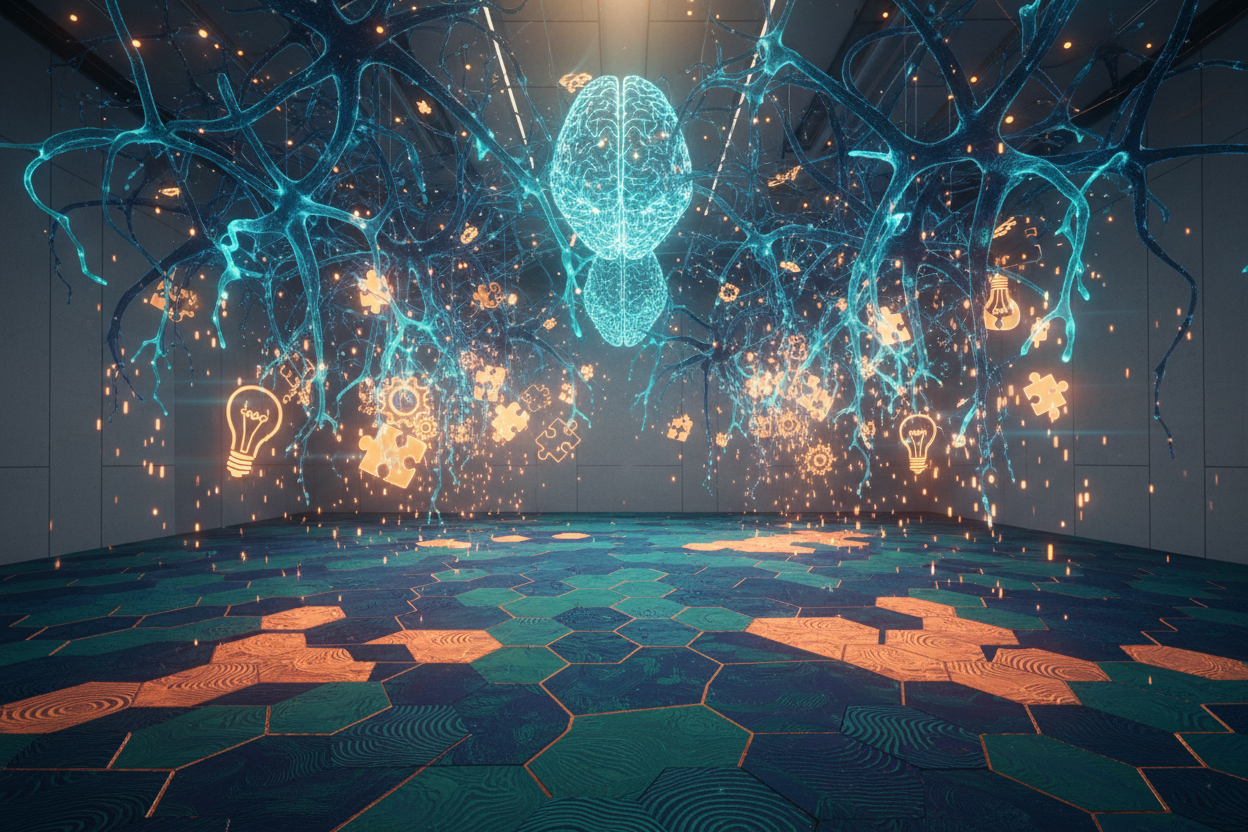
The Science Behind Pattern Recognition and Brain Stimulation
Before diving into specific flooring innovations, it’s essential to understand the fascinating relationship between visual patterns and cognitive activity. Our brains are pattern-recognition machines, constantly analyzing and interpreting the visual information around us. When we encounter complex or novel patterns, our neural networks activate more extensively, promoting neuroplasticity—the brain’s ability to form new connections and adapt.
Research from neuroscience institutions has shown that exposure to geometric patterns and visual complexity can enhance cognitive functions such as attention, spatial reasoning, and problem-solving abilities. The hippocampus, responsible for memory formation, becomes particularly active when processing intricate visual stimuli. This is why environments with thoughtfully designed patterns can literally make us think better! 🎯
Furthermore, studies have demonstrated that individuals working or living in spaces with engaging visual patterns show improved focus, reduced mental fatigue, and enhanced creative thinking. The key lies in finding the sweet spot between visual interest and overwhelming complexity—a balance that innovative flooring patterns can achieve beautifully.
Geometric Maze Patterns for Enhanced Problem-Solving Skills
One of the most effective cognitive-stimulating flooring designs involves geometric maze patterns. These intricate designs feature interconnected pathways, angular turns, and strategic dead ends that naturally encourage the brain to trace routes and solve visual puzzles. Unlike traditional maze games, these floor patterns work subconsciously, providing continuous mental stimulation without demanding active attention.
Modern manufacturers have developed sophisticated maze patterns using contrasting colors—think deep navy pathways against light gray backgrounds or warm terracotta routes on cream surfaces. These designs work exceptionally well in office corridors, waiting areas, and educational facilities where people spend time walking or standing.
What makes these patterns particularly effective is their ability to engage both hemispheres of the brain simultaneously. The left brain processes the logical, sequential aspects of following the maze paths, while the right brain appreciates the overall aesthetic and spatial relationships. This dual engagement creates a powerful cognitive workout that can improve problem-solving skills over time. 🧩
Fractal Designs: Nature’s Blueprint for Cognitive Enhancement
Fractals—patterns that repeat at different scales—are nature’s own cognitive enhancement tools. From the branching of trees to the spiral of seashells, fractal patterns are everywhere in the natural world, and our brains have evolved to find them deeply satisfying and stimulating. Incorporating fractal-inspired flooring patterns can bring this natural cognitive boost indoors.
Contemporary flooring designers have created stunning fractal patterns using advanced printing technologies and mixed materials. These designs might feature tree-like branching patterns in wood-look vinyl, spiral motifs in ceramic tiles, or cloud-like formations in carpet designs. The beauty of fractal flooring lies in its ability to provide visual interest at multiple viewing distances—from close-up detail work to room-wide pattern appreciation.
Research has shown that exposure to fractal patterns can reduce stress while simultaneously increasing cognitive performance. This makes fractal flooring particularly valuable in high-pressure environments like hospitals, therapy centers, and corporate offices where people need to think clearly while managing stress. The patterns seem to activate the brain’s natural relaxation response while keeping mental faculties sharp and engaged. 🌿
Interactive Sensory Flooring for Multi-Modal Cognitive Stimulation
The future of cognitive-enhancing flooring lies in interactive, multi-sensory experiences that engage more than just our visual processing centers. Interactive sensory flooring combines visual patterns with tactile elements, creating a rich sensory environment that stimulates multiple brain regions simultaneously.
These innovative floors might feature raised geometric patterns that provide subtle tactile feedback as people walk across them, or temperature-varying materials that create thermal patterns underfoot. Some cutting-edge designs incorporate pressure-sensitive elements that subtly change color or pattern in response to foot traffic, creating dynamic, ever-changing visual stimuli.
The cognitive benefits of multi-sensory flooring are particularly pronounced because they engage the brain’s sensory integration networks. When multiple senses are activated simultaneously, the brain forms stronger, more complex neural connections. This enhanced connectivity can improve memory formation, spatial awareness, and overall cognitive flexibility. Healthcare facilities and senior living communities are increasingly adopting these technologies to support cognitive health in aging populations. 🚶♀️
Color Psychology in Cognitive Flooring Design
While patterns provide the structural foundation for cognitive stimulation, color choices can dramatically amplify or diminish these effects. The psychology of color in flooring design goes far beyond aesthetic preferences—different colors can trigger specific cognitive responses and emotional states that either enhance or inhibit mental performance.
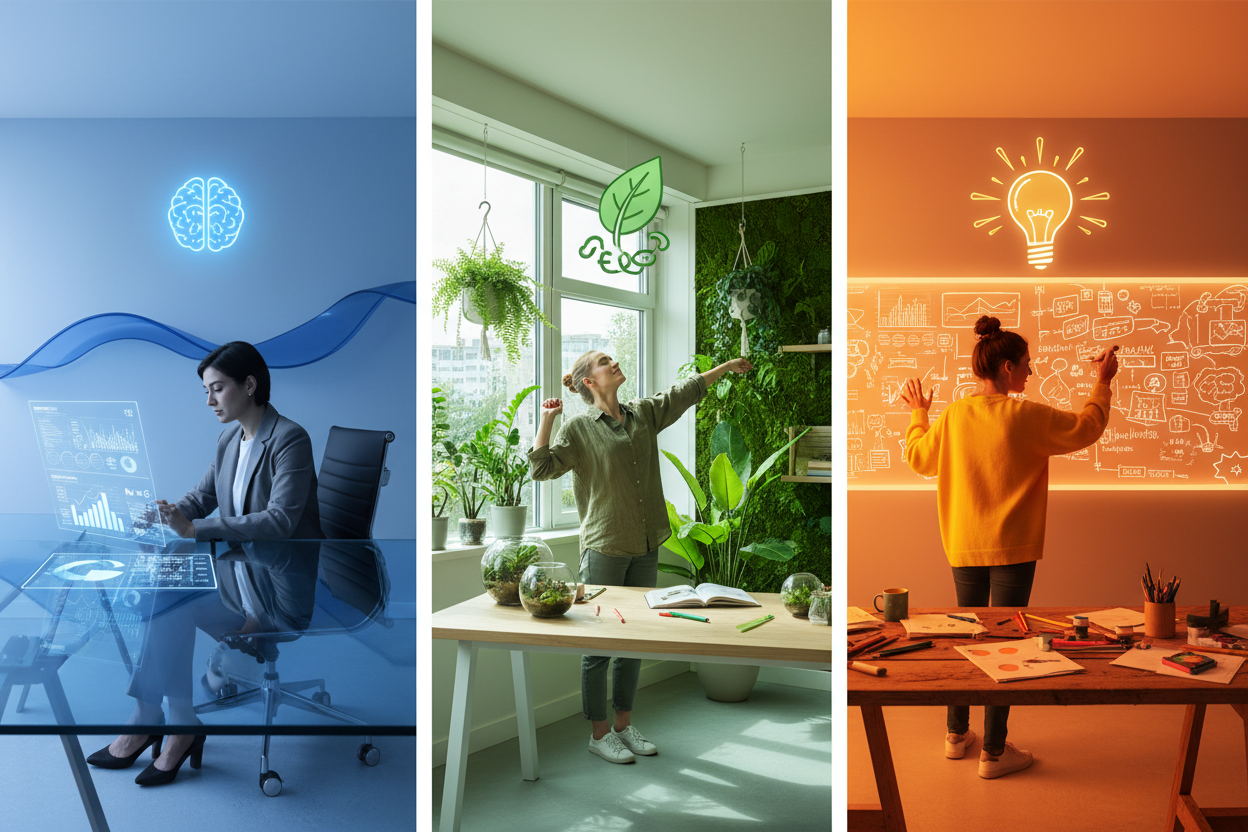
Blue tones, for instance, have been shown to promote calm focus and analytical thinking, making them excellent choices for study areas and offices. Green hues connect us with nature and can reduce mental fatigue while maintaining alertness. Warm colors like orange and yellow can stimulate creativity and energetic thinking, though they should be used judiciously to avoid overstimulation.
The most effective cognitive flooring designs use color strategically within their patterns. A geometric maze might use cool blues for the pathways to promote logical thinking, while fractal patterns might incorporate earth tones to create a calming yet engaging environment. The key is understanding how color psychology interacts with pattern recognition to create the desired cognitive effects. 🎨
Implementing Cognitive Flooring in Different Environments
The application of cognitive-stimulating flooring patterns varies significantly depending on the intended use and user demographics. In educational settings, patterns should encourage focus and learning without becoming distracting. Subtle geometric patterns in calming colors often work best, providing just enough visual interest to keep young minds engaged without overwhelming them.
Corporate environments benefit from more sophisticated patterns that can handle heavy foot traffic while providing ongoing mental stimulation. Fractal designs or complex geometric patterns in professional color schemes can enhance employee creativity and problem-solving abilities throughout the workday.
Healthcare facilities require careful consideration of both cognitive benefits and practical concerns like cleanliness and safety. Patterns that provide cognitive stimulation for patients while remaining easy to maintain and navigate safely are ideal. Interactive sensory flooring, in particular, can provide valuable therapeutic benefits for patients undergoing cognitive rehabilitation.
Residential applications offer the most flexibility for personal expression while maximizing cognitive benefits. Homeowners can choose patterns and colors that align with their lifestyle goals—energizing patterns for home offices, calming fractals for bedrooms, or interactive elements in children’s play areas. 🏠
Future Trends in Cognitive Flooring Technology
The field of cognitive-enhancing flooring is rapidly evolving, with exciting developments on the horizon. Smart flooring systems that can adapt their patterns and colors based on user needs or time of day represent the next frontier in cognitive design. Imagine floors that become more stimulating during work hours and shift to calming patterns in the evening!
Augmented reality integration is another promising development, where traditional flooring patterns serve as bases for digital overlays that can be customized for different activities or users. This technology could allow the same physical space to serve multiple cognitive functions throughout the day.
Biometric feedback systems are also being developed that can monitor user stress levels, attention spans, and cognitive load, automatically adjusting floor patterns and colors to optimize mental performance. While these technologies are still in development, they represent an exciting future where our built environments actively support our cognitive health and well-being. 🚀
Conclusion: Stepping Into a Cognitively Enhanced Future
The floors beneath our feet represent an untapped opportunity to enhance our cognitive abilities and overall mental well-being. From geometric mazes that sharpen problem-solving skills to fractal patterns that reduce stress while boosting performance, innovative flooring designs offer a unique way to transform any space into a cognitive enhancement zone.
As our understanding of the relationship between environment and cognition continues to grow, we can expect to see even more sophisticated and effective flooring solutions. Whether you’re designing a new space or renovating an existing one, considering the cognitive impact of your flooring choices can provide lasting benefits for everyone who uses the space.
The investment in cognitive-enhancing flooring isn’t just about creating beautiful spaces—it’s about creating environments that make us think better, feel better, and perform at our best. In a world where cognitive demands are constantly increasing, having floors that literally support our brain health might just be the competitive advantage we all need. So why not take that first step toward a more cognitively stimulating environment? Your brain will thank you for it! 🌟
Call Us Now!