 Skip to content

How to Choose Flooring That Promotes Resident Independence 🏠
When it comes to creating spaces that truly support independent living, the flooring beneath our feet plays a surprisingly crucial role. Whether you’re designing for seniors, individuals with mobility challenges, or anyone seeking to maintain their autonomy at home, the right flooring choices can make the difference between confidence and caution with every step.
I’ve seen firsthand how a simple change in flooring material can transform someone’s daily experience. Picture this: an 82-year-old grandmother who suddenly feels secure walking to her kitchen at night, or a person recovering from hip surgery who can navigate their home without fear of slipping. These aren’t just feel-good stories – they’re real outcomes that stem from thoughtful flooring decisions.
In this comprehensive guide, we’ll explore how to select flooring that doesn’t just look beautiful, but actively supports independence, safety, and quality of life. From understanding the unique needs of different residents to evaluating specific materials and their benefits, you’ll discover everything needed to make informed decisions that truly matter. ✨
Understanding the Connection Between Flooring and Independence
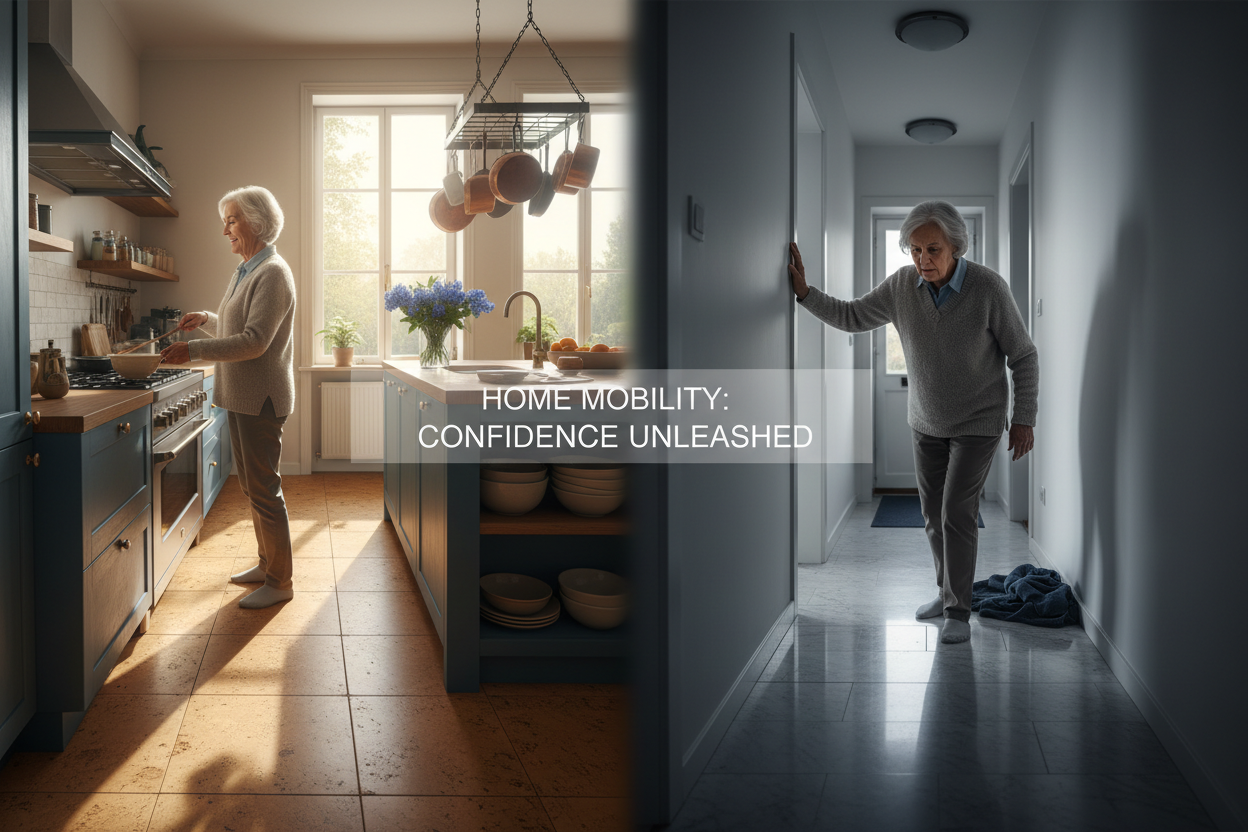
The relationship between flooring and independence might not be immediately obvious, but it’s profound. Every time we take a step, our flooring either supports or hinders our confidence and mobility. For individuals who want to maintain their independence – whether due to age, physical limitations, or recovery from injury – flooring becomes a silent partner in their daily activities.
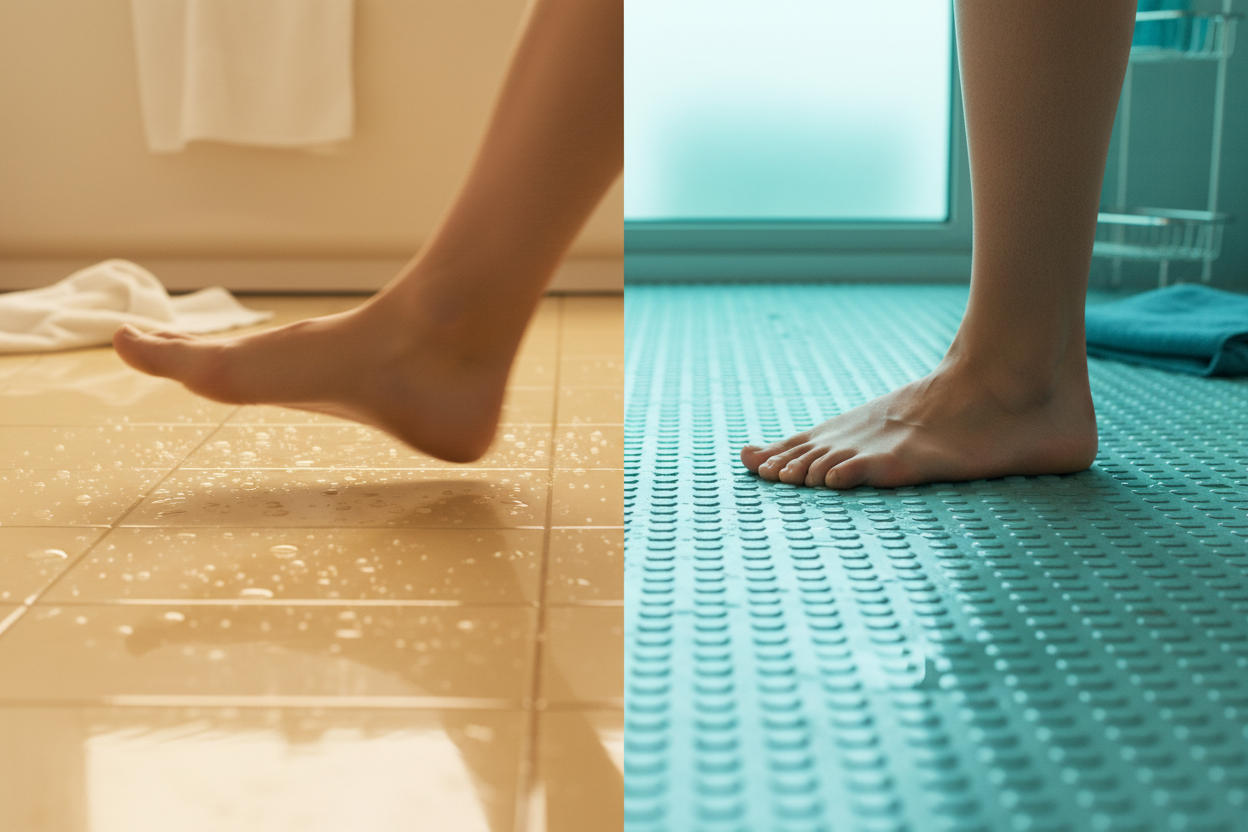
Independence isn’t just about being able to move around safely, though that’s certainly important. It’s about feeling confident enough to cook a meal without worrying about slipping on a wet floor, having the stability to reach for items on higher shelves, and maintaining the freedom to move throughout the home without assistance. The wrong flooring can create barriers that gradually erode confidence and limit activities.
Consider how different surfaces affect our movement patterns. Thick, plush carpeting might feel luxurious, but it can become a tripping hazard for someone using a walker. Highly polished hardwood floors might look stunning, but they can become treacherous when wet. On the flip side, the right flooring choice can actually enhance mobility and provide the foundation for continued independence.
Key Safety Features to Prioritize in Independence-Focused Flooring 🛡️
When selecting flooring that promotes independence, safety features should top your priority list. These aren’t just nice-to-have additions – they’re essential elements that can prevent falls and injuries while supporting confident movement throughout the home.
Slip resistance stands as perhaps the most critical safety feature. Look for flooring materials with textured surfaces that provide grip, even when slightly damp. The coefficient of friction (COF) rating can guide your decisions here – aim for a COF of 0.6 or higher for optimal slip resistance. This becomes especially important in areas like bathrooms, kitchens, and entryways where moisture is common.
Stability under foot represents another crucial consideration. Flooring that moves, shifts, or gives way unexpectedly can throw off balance and create fall risks. Properly installed, stable flooring provides the solid foundation needed for confident movement, whether someone is using mobility aids or walking independently.
Edge and transition management often gets overlooked but plays a vital role in safety. Smooth, gradual transitions between different flooring types prevent catching toes or mobility device wheels. Raised thresholds, loose carpet edges, or poorly finished transitions can become significant hazards for anyone with balance or mobility concerns.
Material Options That Support Mobility and Confidence
The flooring market offers numerous materials that can support independence when chosen and installed correctly. Each option brings unique benefits and considerations that should align with specific needs and preferences.
Luxury vinyl plank (LVP) and luxury vinyl tile (LVT) have emerged as excellent choices for independence-focused environments. These materials offer exceptional slip resistance, especially when featuring textured surfaces that mimic natural materials. They’re also completely waterproof, making them ideal for bathrooms and kitchens where spills and moisture are inevitable. The comfort underfoot is another advantage – LVP provides enough cushioning to reduce fatigue during extended standing while maintaining stability.
Rubber flooring might not be the first material that comes to mind for residential spaces, but it deserves serious consideration. Originally developed for commercial and healthcare environments, residential rubber flooring now comes in attractive designs that don’t sacrifice style for function. The natural slip resistance and shock absorption make it particularly valuable in areas where falls might occur.
Engineered hardwood with appropriate finishes can work well when slip resistance is prioritized. Look for matte or satin finishes rather than high-gloss options, and consider textured surfaces that provide additional grip. The key is avoiding overly smooth finishes that become slippery when wet or dusty.
Ceramic and porcelain tiles offer durability and easy maintenance, but selection requires careful attention to surface texture. Smooth, polished tiles should generally be avoided in favor of textured or matte-finished options that provide better traction. The grout lines can actually help with slip resistance when properly maintained.
Special Considerations for Different Areas of the Home 🏡
Different areas of the home present unique challenges and opportunities when it comes to flooring choices that support independence. Understanding these variations helps ensure that every space contributes to overall safety and confidence.
Bathrooms demand the highest level of slip resistance due to constant moisture exposure. Beyond choosing appropriate materials, consider how the flooring integrates with other safety features. Curbless showers with continuous flooring eliminate tripping hazards, while proper drainage slopes prevent water accumulation. The flooring should also be comfortable for bare feet while providing excellent grip when wet.
Kitchen areas see significant activity and potential for spills, making them another critical zone for careful flooring selection. The material needs to handle everything from water splashes to dropped food items while remaining easy to clean. Cushioned materials can reduce fatigue during meal preparation, but they must maintain stability and slip resistance.
Bedrooms and living areas allow for more flexibility in material choice, but comfort and warmth become important factors. These spaces should feel welcoming and comfortable while still providing safe, stable surfaces. Consider how the flooring will feel first thing in the morning or late at night when visibility might be reduced.
Hallways and transitional spaces require special attention to ensure smooth movement between rooms. These areas often see the most foot traffic and may need to accommodate mobility aids. Consistent flooring materials throughout these spaces eliminate transition hazards while providing reliable traction.
Installation and Maintenance Factors That Impact Long-term Independence 🔧
Even the best flooring materials can fail to support independence if they’re not properly installed or maintained. These practical considerations often determine the long-term success of your flooring investment.
Professional installation becomes crucial when independence is a priority. Properly installed flooring lies flat, has secure edges, and includes appropriate underlayments that enhance comfort and stability. Subfloor preparation is particularly important – any irregularities or soft spots can create instability that affects confidence and safety.
Maintenance requirements should align with the resident’s abilities and preferences. Flooring that requires frequent specialized care or harsh cleaning products can become a burden rather than a benefit. Look for materials that maintain their safety features with simple, regular cleaning routines. Non-wax finishes, stain-resistant surfaces, and materials that don’t require periodic refinishing all contribute to long-term independence.
Consider how the flooring will age and whether its safety features will remain intact over time. Some materials become more slippery as they wear, while others actually improve with age. Understanding these patterns helps ensure that the flooring continues to support independence for years to come.
Budget-Friendly Strategies for Independence-Supporting Flooring 💰
Creating flooring that supports independence doesn’t have to break the budget. Strategic planning and smart material choices can deliver excellent results while respecting financial constraints.
Prioritizing high-impact areas allows you to focus your budget where it matters most. Bathrooms, kitchens, and main walkways typically deserve the highest investment in premium materials, while bedrooms and less-used spaces might work well with more budget-friendly options that still meet safety requirements.
Phased installation approaches can spread costs over time while immediately addressing the most critical areas. Start with spaces that pose the highest fall risks or see the most daily use, then gradually upgrade other areas as budget allows.
Consider the long-term value proposition when evaluating costs. Materials that might cost more upfront but require less maintenance, last longer, or provide better safety features often prove more economical over time. Factor in potential healthcare costs that could result from falls or injuries when making budget decisions.
Working with Professionals to Achieve Your Goals
While it’s possible to research and select appropriate flooring independently, working with knowledgeable professionals can ensure optimal results. The right team brings expertise that goes beyond material selection to encompass installation techniques, local building codes, and long-term performance expectations.
Look for flooring contractors who have experience with accessibility and safety-focused installations. They’ll understand the importance of proper subfloor preparation, appropriate transition strips, and installation techniques that maximize stability. Don’t hesitate to ask about their experience with similar projects and request references from past clients with comparable needs.
Interior designers who specialize in aging-in-place or accessible design can provide valuable insights into how flooring choices integrate with overall home functionality. They can help balance safety requirements with aesthetic preferences, ensuring that the final result supports both independence and personal style.
Occupational therapists or other healthcare professionals might also provide input on specific needs and preferences. Their perspective on daily activities and mobility patterns can inform flooring decisions in ways that purely aesthetic considerations might miss.
Conclusion: Taking the Next Steps Toward Independence-Supporting Flooring ✅
Choosing flooring that promotes resident independence requires balancing multiple factors – safety, comfort, maintenance, budget, and personal preferences all play important roles in the decision-making process. The key lies in understanding that flooring is more than just a design element; it’s a fundamental component of home safety and functionality that directly impacts quality of life.
Remember that the best flooring choice is one that meets specific needs while providing long-term value and satisfaction. Take time to assess current and future requirements, considering how mobility or other factors might change over time. This forward-thinking approach helps ensure that your flooring investment continues to support independence for years to come.
Whether you’re planning a complete home renovation or focusing on specific high-priority areas, the principles outlined in this guide can help you make informed decisions that truly matter. The goal isn’t just to create beautiful spaces, but to build environments that actively support confidence, safety, and independence in daily life. 🌟
Start by evaluating your current flooring situation and identifying areas where improvements could have the biggest impact. Then, use the information in this guide to research materials and begin planning your independence-focused flooring project. Your future self – and any family members or caregivers – will appreciate the thoughtful investment in safety and functionality.
Call Us Now!