 Skip to content

How Flooring Can Influence the Mood in Senior Living Spaces 🏠
When we think about creating the perfect living environment for seniors, we often focus on safety features, accessibility, and comfort. However, there’s one crucial element that’s frequently overlooked: flooring. The surfaces beneath our feet do more than just provide a foundation—they can dramatically influence mood, well-being, and overall quality of life in senior living spaces. 🌟
As we age, our sensory experiences become increasingly important for maintaining emotional balance and cognitive health. The flooring in senior living environments plays a surprisingly significant role in creating atmospheres that can either energize or calm, inspire confidence or create anxiety. Understanding this connection is essential for anyone involved in designing, choosing, or living in senior housing.
The Psychology Behind Flooring Choices in Senior Care 🧠
The relationship between our physical environment and psychological state is well-documented in environmental psychology. For seniors, this connection becomes even more pronounced as they spend more time indoors and may experience heightened sensitivity to their surroundings.
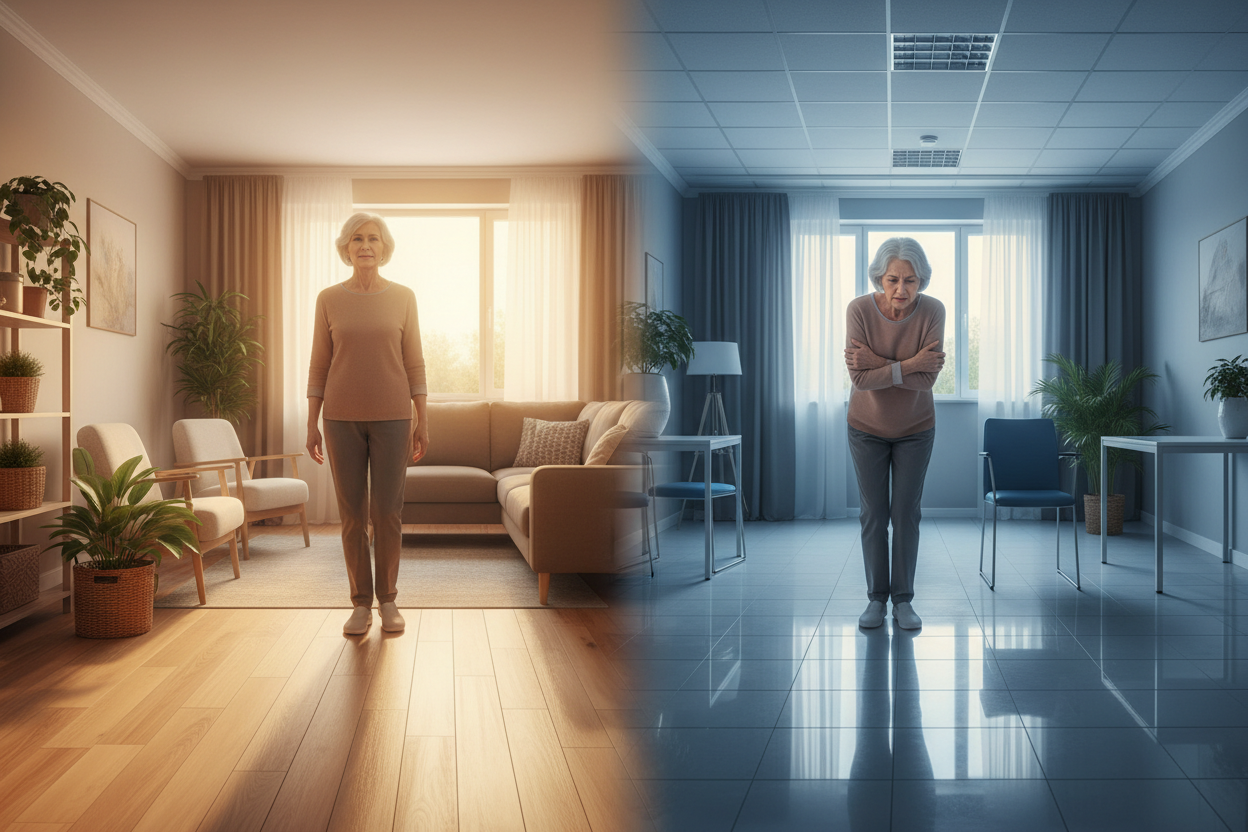
Research shows that the visual and tactile properties of flooring can trigger emotional responses and memories. A warm, wood-grain floor might evoke feelings of home and comfort, while cold, institutional-looking surfaces can create feelings of isolation or clinical detachment. The texture, color, and pattern of flooring materials send subtle but powerful messages to our subconscious mind.
Moreover, seniors often experience changes in vision, balance, and mobility that make them more acutely aware of floor surfaces. What might seem like a minor design choice to younger individuals can significantly impact a senior’s confidence, independence, and emotional well-being.
Warm vs. Cool Flooring Materials: Creating Emotional Temperature 🌡️
The temperature—both literal and perceived—of flooring materials plays a crucial role in setting the emotional tone of a space. Warm materials like wood, cork, and certain luxury vinyl planks create an inviting, homey atmosphere that can reduce stress and promote relaxation.
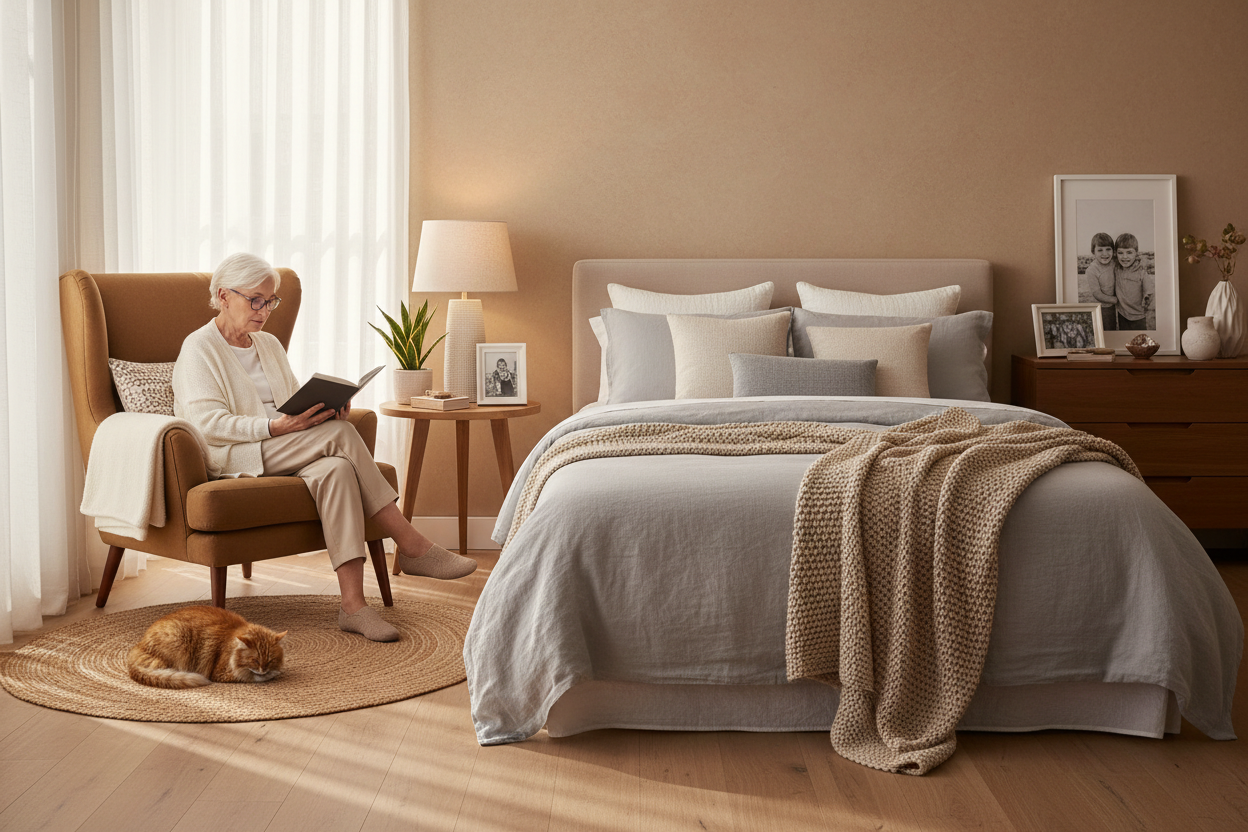
Hardwood flooring, particularly in warmer tones like oak, cherry, or walnut, brings natural beauty indoors and creates a connection to nature that many seniors find comforting. The organic patterns and grain variations in wood can be visually stimulating without being overwhelming, providing gentle interest for the eye and mind.
On the other hand, cooler materials like stone, tile, or polished concrete can create a more modern, clean aesthetic but may feel institutional or unwelcoming if not balanced with warmer elements. However, when used thoughtfully—perhaps in common areas where a sense of openness and cleanliness is desired—these materials can create an uplifting, spa-like environment.
The key is understanding the intended use of each space and choosing flooring that supports the desired emotional outcome. A dining area might benefit from the warmth and elegance of hardwood, while a fitness center could use the clean, energizing feel of polished concrete or rubber flooring.
Color Psychology in Senior Living Floor Design 🎨
Color has an immediate and powerful impact on mood, and flooring color choices can set the emotional foundation for an entire room. Understanding color psychology is essential when selecting flooring for senior living spaces.
Neutral tones like beige, light gray, and soft browns create a calming, stable environment that doesn’t overwhelm the senses. These colors work particularly well in bedrooms and quiet areas where relaxation is the goal. They also provide an excellent backdrop for personal belongings and furniture, helping seniors feel more at home.
Warmer colors like honey, amber, and rich browns can energize a space while maintaining comfort. These tones work beautifully in social areas, dining rooms, and activity spaces where you want to encourage interaction and engagement. The psychological warmth of these colors can help combat feelings of loneliness or depression.
Cooler colors like soft blues and greens can create a sense of tranquility and openness, making them ideal for meditation rooms, libraries, or healthcare areas. However, it’s important to avoid colors that are too cool or stark, as they can feel institutional and unwelcoming.
Darker colors should be used carefully in senior living spaces. While they can create sophistication and hide wear, they can also make spaces feel smaller and may present navigation challenges for seniors with vision issues.
Texture and Comfort: The Tactile Experience 👣
The tactile quality of flooring is particularly important for seniors, who may spend significant time walking barefoot or in soft slippers. The feel of flooring underfoot can influence comfort levels, confidence in movement, and overall satisfaction with living spaces.
Smooth surfaces like polished hardwood or luxury vinyl can feel clean and modern but may be slippery and uncomfortable for extended standing. Adding area rugs or choosing textured versions of these materials can provide the best of both worlds—visual appeal with improved comfort and safety.
Carpet remains popular in senior living spaces for good reason. The soft, cushioned feel underfoot provides comfort for joints and can help prevent injuries from falls. Modern carpets designed for senior living often feature low pile heights and stain-resistant treatments that maintain the comfort benefits while addressing practical concerns.
Cork flooring offers a unique combination of warmth, comfort, and natural antimicrobial properties. Its slightly cushioned feel can be easier on joints while providing a distinctive, natural appearance that many seniors find appealing.
Rubber flooring, particularly in fitness or therapy areas, provides excellent cushioning and slip resistance while being easy to maintain. Modern rubber flooring comes in various colors and patterns that can create energizing, positive environments for physical activity.
Natural Light Interaction and Flooring Choices ☀️
The way flooring materials interact with natural light can dramatically affect the mood and atmosphere of senior living spaces. Understanding this relationship helps create environments that feel bright, open, and uplifting throughout the day.
Light-colored flooring reflects more natural light, making spaces feel larger and brighter. This can be particularly beneficial in areas where seniors spend time reading, crafting, or socializing. The increased brightness can help combat seasonal depression and maintain circadian rhythms.
Glossy finishes enhance light reflection but can create glare that may be uncomfortable or disorienting for seniors with vision sensitivities. Satin or matte finishes often provide the perfect balance, reflecting enough light to brighten spaces without creating problematic glare.
Wood flooring with natural grain patterns creates interesting light and shadow play throughout the day, providing visual stimulation that can be both calming and engaging. The way sunlight moves across wood grain can create a dynamic, living quality in the space that connects residents to the natural world outside.
In areas with limited natural light, choosing flooring with lighter tones or subtle patterns can help maximize the available light and prevent spaces from feeling dark or depressing.
Safety Considerations That Impact Emotional Well-being 🛡️
While safety might seem separate from mood and emotional well-being, the two are intimately connected in senior living environments. Flooring that promotes confidence in movement and reduces fall risk contributes significantly to residents’ emotional comfort and independence.
Non-slip surfaces are essential, but they don’t have to look institutional or unattractive. Modern flooring technologies allow for beautiful designs with excellent traction properties. When seniors feel confident about their footing, they’re more likely to remain active and engaged, which directly impacts their mood and social interaction.
Clear visual contrast between different flooring areas helps seniors navigate spaces confidently. This might mean using different colors or materials to distinguish between walking areas and seating areas, or between different rooms. Visual clarity reduces anxiety and promotes independence.
Smooth transitions between different flooring types prevent tripping hazards while maintaining design continuity. When seniors don’t have to worry about navigating difficult transitions, they can focus on enjoying their activities and social interactions.
Proper cushioning in fall-prone areas can provide peace of mind for both residents and their families. Knowing that the environment is designed with their safety in mind allows seniors to relax and enjoy their living spaces more fully.
Creating Zones with Strategic Flooring Design 🎯
Thoughtful use of different flooring materials can help create distinct zones within senior living spaces, each designed to support specific activities and moods. This zoning approach helps residents understand and navigate their environment while promoting appropriate behaviors and feelings in each area.
Social areas might feature warm, inviting materials like wood or wood-look luxury vinyl that encourage gathering and conversation. The visual warmth of these materials helps create an atmosphere where residents feel comfortable interacting with others.
Quiet zones like libraries or meditation spaces might use soft carpet or cork flooring to absorb sound and create a sense of intimacy and calm. The acoustic properties of these materials support the intended use while the tactile comfort encourages relaxation.
Activity areas could incorporate more durable, easy-to-clean surfaces like luxury vinyl or rubber flooring in energizing colors that promote engagement and movement. These materials can handle the wear and tear of active use while contributing to an upbeat, dynamic atmosphere.
Dining areas benefit from materials that are both elegant and practical. Luxury vinyl planks in wood tones can provide the warmth and sophistication of hardwood while offering the easy maintenance needed in food service areas.
Maintenance and Longevity: Preserving Positive Environments 🔧
The long-term appearance and condition of flooring directly impact the mood and atmosphere of senior living spaces. Choosing materials that maintain their beauty over time helps preserve the positive emotional benefits of thoughtful design.
High-quality luxury vinyl planks offer excellent durability while maintaining the appearance of natural materials. Their resistance to scratches, stains, and moisture means they’ll continue to look beautiful for years, preserving the positive atmosphere they help create.
Proper maintenance protocols ensure that flooring continues to support the intended mood and atmosphere. Regular cleaning and care not only preserve the materials but also demonstrate respect for residents and their living environment.
Planning for eventual replacement or refinishing helps maintain consistent quality over time. Understanding the lifecycle of different flooring materials allows for proactive maintenance that prevents deterioration from negatively impacting the living environment.
Conclusion: Stepping Toward Better Senior Living Environments 🌈
The flooring beneath our feet might seem like a simple practical consideration, but as we’ve explored, it plays a profound role in shaping mood, comfort, and overall well-being in senior living spaces. From the warmth of natural wood to the comfort of modern carpet, from the energy of vibrant colors to the calm of neutral tones, every flooring choice sends a message and creates an emotional response.
Creating positive, mood-enhancing environments for seniors requires thoughtful consideration of how flooring materials look, feel, and function within the broader context of daily life. By understanding the psychological and practical impacts of different flooring choices, we can design spaces that truly support the happiness, health, and independence of senior residents.
Whether you’re designing a new senior living facility, renovating an existing space, or helping a loved one create a comfortable aging-in-place environment, remember that the ground beneath your feet is the foundation for everything else. Choose wisely, and step confidently toward creating spaces where seniors can thrive emotionally, physically, and socially. 💫
Call Us Now!