 Skip to content

The Role of Flooring in Enhancing Resident Safety During Emergencies
When we think about emergency preparedness in residential buildings, our minds often jump to smoke detectors, fire extinguishers, and exit routes. But there’s one crucial element that literally lies beneath our feet – flooring. The type of flooring installed in your home or apartment building can make the difference between a safe evacuation and a tragic accident during an emergency situation. 🏠
As someone who has witnessed firsthand how quickly situations can escalate during emergencies, I can’t stress enough how important it is to consider every aspect of your living environment. From the materials used to the maintenance practices employed, flooring plays a surprisingly significant role in keeping residents safe when every second counts.
Understanding Emergency Scenarios and Flooring Challenges
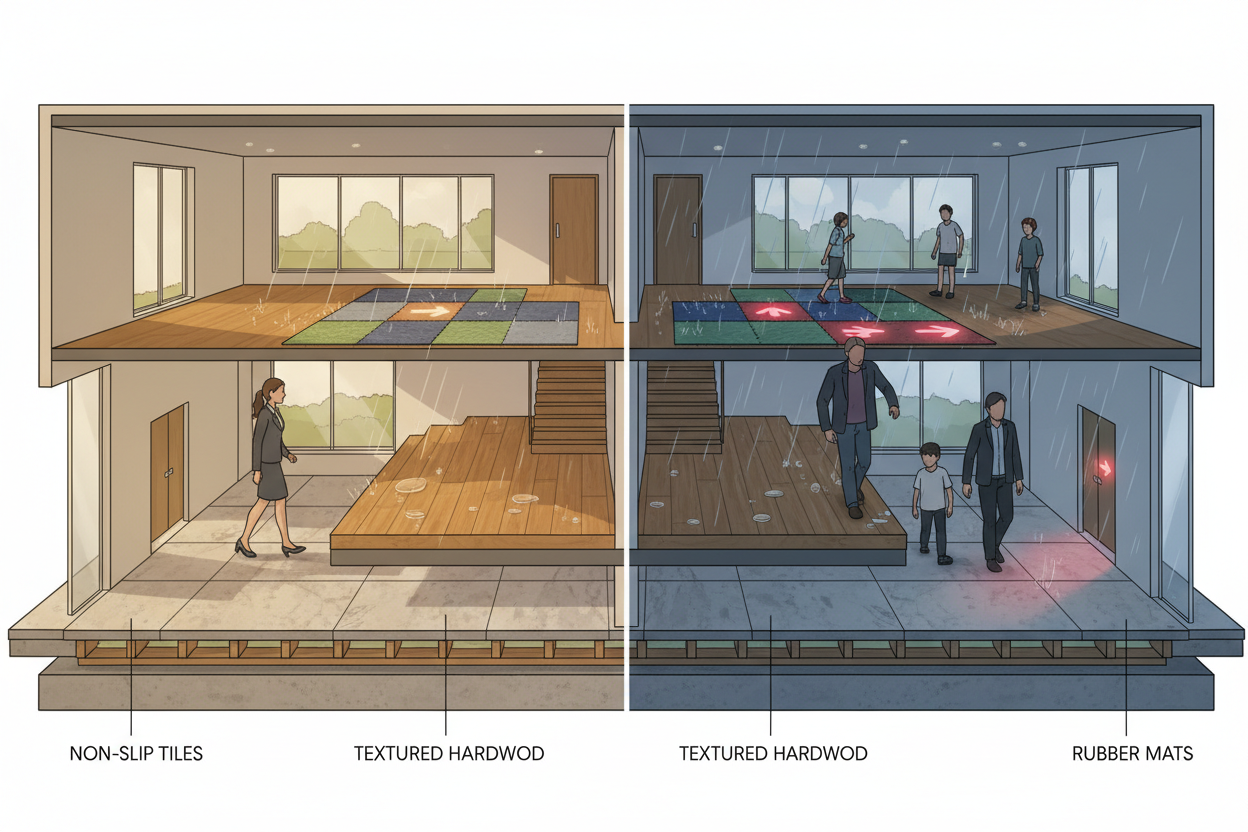
During emergencies, residents face unique challenges that can be exacerbated by poor flooring choices. Fire emergencies often involve water from sprinkler systems or firefighting efforts, creating slippery surfaces that can lead to falls and injuries. Medical emergencies require quick access for paramedics and smooth surfaces for stretcher movement. Natural disasters like floods or earthquakes present their own set of flooring-related safety concerns.
I remember speaking with a fire chief who told me about a residential fire where residents struggled to evacuate because the hardwood floors became incredibly slippery when wet from the sprinkler system. This real-world example highlights why we need to think beyond aesthetics when choosing flooring materials. 🚨
The statistics are sobering – falls account for a significant percentage of injuries during emergency evacuations. When you combine the stress and panic of an emergency with compromised flooring conditions, the risk multiplies exponentially.
Slip-Resistant Flooring Solutions for Emergency Preparedness
Not all flooring materials are created equal when it comes to emergency safety. Slip-resistant flooring has become a game-changer in residential safety planning. These specialized surfaces maintain their grip even when wet, providing residents with stable footing during critical moments.
Textured vinyl flooring, for instance, offers excellent slip resistance while being easy to clean and maintain. Many modern vinyl products feature micro-textured surfaces that provide traction without compromising comfort for daily use. Rubber flooring, commonly seen in commercial settings, is making its way into residential applications, particularly in high-traffic areas and emergency routes.
Ceramic and porcelain tiles with slip-resistant ratings have also evolved significantly. Look for tiles with a coefficient of friction (COF) rating of 0.42 or higher for dry conditions and 0.42 for wet conditions. These numbers might seem technical, but they represent the difference between a safe evacuation and a dangerous fall. 💡
Choosing the Right Materials for High-Traffic Emergency Routes
Emergency evacuation routes deserve special attention when it comes to flooring selection. Hallways, stairwells, and main exits experience intense foot traffic during emergencies, often while people are moving quickly and potentially in panic.
For these critical areas, durability meets safety in materials like commercial-grade luxury vinyl tile (LVT) or specialized safety flooring. These materials can withstand heavy foot traffic while maintaining their slip-resistant properties. In stairwells, consider adding contrasting colors or textures at step edges to improve visibility during low-light emergency conditions.
One property manager I spoke with shared how they upgraded their apartment building’s hallway flooring to a high-performance safety vinyl after a minor evacuation incident. The difference was immediately noticeable – residents felt more confident moving through the corridors, even during routine maintenance when floors might be damp from cleaning.
Maintenance Practices That Enhance Emergency Safety
Even the best safety flooring can become a hazard without proper maintenance. Regular cleaning schedules, immediate spill cleanup, and periodic deep cleaning all contribute to maintaining optimal safety conditions. During emergency situations, there’s no time to deal with accumulated dirt, debris, or slippery substances on floors.
Establishing clear maintenance protocols is essential. This includes using appropriate cleaning products that don’t leave residues, ensuring proper drainage in areas prone to water accumulation, and conducting regular safety inspections. Property managers and homeowners should document these practices and train relevant personnel on emergency-specific maintenance procedures. 🧹
Consider seasonal factors too. Winter months might require additional attention to prevent ice formation near entrances, while summer humidity could affect certain flooring materials’ slip resistance. A proactive approach to maintenance can prevent small issues from becoming major safety hazards during emergencies.
Technology Integration: Smart Flooring for Emergency Response
The future of emergency safety flooring is here, and it’s smarter than ever. Innovative technologies are being integrated into flooring systems to enhance emergency response capabilities. LED-embedded flooring can provide emergency lighting and directional guidance when traditional lighting fails. These systems can be programmed to illuminate evacuation routes automatically when emergency alarms are triggered.
Sensor-equipped flooring can detect falls or unusual movement patterns, automatically alerting emergency services or building management. While these technologies are still emerging in residential applications, early adopters are already seeing the benefits in high-end apartment complexes and senior living facilities.
Smart flooring systems can also monitor environmental conditions like temperature and humidity, providing early warnings about potential hazards before they become emergency situations. As these technologies become more affordable, we can expect to see wider adoption in residential settings. 🔮
Special Considerations for Vulnerable Populations
When planning flooring for emergency safety, we must consider the needs of vulnerable populations, including elderly residents, individuals with mobility challenges, and families with young children. These groups face additional risks during emergencies and require specialized flooring considerations.
For elderly residents, flooring with enhanced cushioning can reduce injury severity if falls do occur. Anti-fatigue properties help reduce leg and back strain during potentially lengthy evacuation procedures. Contrast borders and visual cues in flooring design can assist those with vision impairments in navigating safely during emergencies.
Families with young children benefit from flooring that provides good traction for small feet while being gentle enough to minimize injury from inevitable falls. The key is finding materials that balance safety, comfort, and durability while considering the diverse needs of all residents. 👨👩👧👦
Cost-Benefit Analysis of Safety Flooring Investments
Investing in emergency-safe flooring might seem like an additional expense, but the cost-benefit analysis strongly favors safety-focused choices. The potential costs of accidents during emergencies – including medical expenses, legal liabilities, and property damage – far exceed the initial investment in quality safety flooring.
Insurance companies are beginning to recognize the value of safety flooring installations, with some offering reduced premiums for properties that meet certain safety standards. Property values also benefit from safety upgrades, as informed buyers increasingly prioritize emergency preparedness features.
When calculating costs, consider the long-term benefits including reduced maintenance expenses, lower liability risks, and improved resident satisfaction. Many safety flooring options also offer excellent durability, potentially lasting longer than traditional materials and providing better overall value. 💰
Conclusion
The role of flooring in emergency safety extends far beyond what meets the eye. From slip-resistant materials that prevent falls during wet conditions to smart technologies that guide evacuations, flooring choices can literally save lives. As we’ve explored throughout this post, the investment in emergency-safe flooring pays dividends in resident safety, property value, and peace of mind.
Whether you’re a homeowner planning a renovation, a property manager overseeing residential buildings, or simply someone interested in emergency preparedness, remember that safety starts from the ground up. The flooring beneath your feet should be an ally, not a hazard, when emergency strikes. By choosing appropriate materials, maintaining them properly, and staying informed about new safety technologies, we can create living environments that protect residents when they need it most.
Take a moment to evaluate the flooring in your current living space. Does it meet emergency safety standards? Could improvements be made to better protect you and your loved ones? The time to act is now – because in an emergency, every step counts. 🏃♀️
Call Us Now!