 Skip to content

The Role of Flooring in Facilitating Resident-Family Visits: Creating Welcoming Healthcare Environments
When we think about what makes a healthcare facility feel welcoming, flooring might not be the first thing that comes to mind. Yet, beneath our feet lies one of the most crucial elements that can either enhance or hinder the precious moments families spend with their loved ones in care facilities. The flooring choices made in nursing homes, assisted living centers, and hospitals play a surprisingly significant role in creating environments that encourage meaningful visits and emotional connections. 🏥
From the moment family members step through the entrance to the time they spend in common areas and private rooms, every surface they walk on sends a message. Is this a sterile, institutional environment, or is it a warm, homelike space where relationships can flourish? The answer often lies in the thoughtful selection and implementation of appropriate flooring solutions that prioritize both functionality and emotional well-being.
Understanding the Psychology of Flooring in Healthcare Settings
The psychological impact of flooring extends far beyond mere aesthetics. When families enter a care facility to visit their loved ones, they’re often dealing with complex emotions – worry, sadness, hope, and love all intermingled. The environment around them, including the flooring, can either amplify these concerns or provide comfort and reassurance.
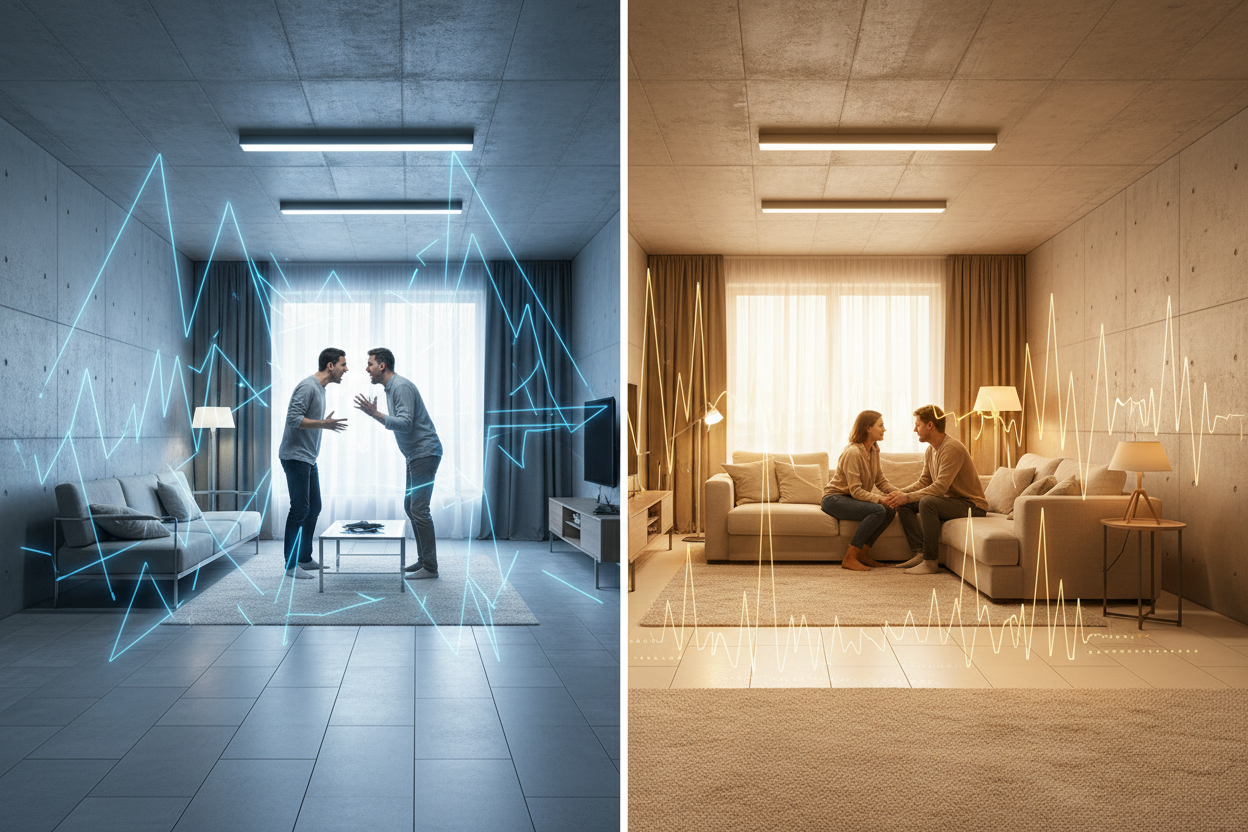
Cold, hard surfaces like polished concrete or basic vinyl tiles can create an echo-filled, institutional atmosphere that feels unwelcoming and sterile. In contrast, warmer flooring options such as luxury vinyl planks that mimic hardwood or carpet tiles can create a more residential feel that puts visitors at ease. This psychological comfort is crucial because when families feel more relaxed and welcome, they’re likely to visit more frequently and stay longer, which directly benefits the residents’ emotional and mental health. 💝
Research in environmental psychology has consistently shown that people respond positively to environments that feel familiar and homelike. When flooring choices reflect residential settings rather than clinical ones, visitors unconsciously feel more comfortable, leading to more natural interactions and meaningful conversations with their loved ones.
Safety Considerations That Impact Visit Quality
Safety isn’t just about preventing accidents – it’s about creating confidence that allows families to focus on what really matters: spending quality time together. When visitors feel secure walking through hallways and common areas, they can direct their full attention to their loved ones rather than worrying about potential hazards.
Slip-resistant flooring surfaces are absolutely essential, especially in areas where spills might occur or where elderly visitors might be walking with mobility aids. Modern flooring solutions offer excellent slip resistance without sacrificing visual appeal. For instance, textured luxury vinyl tiles can provide superior traction while maintaining an attractive, wood-like appearance that feels warm and inviting.
The transition between different flooring types also plays a crucial role in safety and accessibility. Smooth, level transitions prevent tripping hazards for visitors using wheelchairs, walkers, or those who might have mobility challenges themselves. When family members can navigate the facility confidently, they’re more likely to explore different areas with their loved ones, perhaps enjoying the garden room or participating in common area activities. 🚶♀️
Noise Reduction for Better Communication
One of the most overlooked aspects of flooring in healthcare facilities is its impact on acoustics. Hard surfaces can create an echo chamber effect, making it difficult for families to have intimate conversations with residents who may already be dealing with hearing challenges. This acoustic barrier can significantly impact the quality of visits and the emotional connections that families are trying to maintain.
Carpet tiles and cushioned vinyl flooring options can dramatically reduce noise levels, creating quieter environments where conversations can flow more naturally. Imagine the difference between trying to have a heartfelt conversation in a space where every footstep echoes versus one where sound is absorbed and muffled. The latter allows for whispered words of love, shared memories, and meaningful dialogue that might otherwise be lost in the ambient noise.
Sound absorption becomes particularly important in common areas where multiple families might be visiting simultaneously. When flooring choices help manage noise levels, each family can enjoy more private, intimate moments without feeling like they’re performing for an audience or struggling to hear over the din of institutional sounds.
Creating Distinct Zones for Different Types of Interactions
Thoughtful flooring design can help create distinct areas within a facility that serve different purposes for resident-family interactions. Just as homes have different rooms for different activities, care facilities can use flooring to subtly define spaces and guide behavior in ways that enhance visit experiences.
For example, warmer, more residential flooring in quiet seating areas signals that these spaces are meant for intimate conversations and relaxation. Meanwhile, more durable, easy-to-clean surfaces in dining areas accommodate meal sharing and larger group gatherings. Activity rooms might feature specialized flooring that’s comfortable for sitting on the floor while playing games with grandchildren or engaging in craft activities together. 🎨
These visual and tactile cues help families understand how to best use different spaces, naturally encouraging them to engage in various types of activities with their loved ones. When the environment supports diverse interaction styles – from quiet conversation to active play – visits become richer and more fulfilling for everyone involved.
Maintenance and Hygiene Without Compromising Warmth
The reality of healthcare environments is that cleanliness and infection control are paramount concerns. However, this doesn’t mean that flooring choices must sacrifice warmth and comfort for sterility. Modern flooring technologies have evolved to provide solutions that meet the highest hygiene standards while still creating welcoming environments for families.
Luxury vinyl planks and tiles now offer antimicrobial properties and can withstand rigorous cleaning protocols without losing their residential appearance. These materials can be thoroughly disinfected between visits while maintaining the warm, wood-like or stone-like aesthetics that make spaces feel more like home than hospital.
The key is selecting flooring that doesn’t show every scuff mark or require constant maintenance attention. When flooring looks consistently clean and well-maintained without appearing sterile, it contributes to an overall impression of quality care that gives families confidence in the facility’s standards. This peace of mind allows them to focus on enjoying their time with residents rather than worrying about the quality of care being provided. ✨
Color and Pattern Choices That Enhance Emotional Well-being
The colors and patterns chosen for flooring can significantly impact the emotional tone of visit experiences. Warm, neutral colors tend to create calming environments that feel more residential and less clinical. Earth tones, soft grays, and muted blues can create a sense of tranquility that helps both residents and visitors feel more relaxed and open to emotional connection.
Patterns should be chosen carefully to avoid creating visual confusion, particularly for residents or visitors who might be dealing with cognitive challenges. Simple, subtle patterns that add visual interest without being overwhelming work best. For instance, a gentle wood grain pattern can add warmth and texture without creating the busy visual noise that bold geometric patterns might produce.
Natural-looking flooring options can also help connect indoor spaces with outdoor environments, which is particularly beneficial for residents who may have limited access to nature. When flooring choices echo natural materials like wood or stone, they can help create a sense of connection to the outside world that enhances overall well-being for both residents and visitors.
Budget-Friendly Solutions That Don’t Compromise Quality
Creating welcoming environments through thoughtful flooring choices doesn’t necessarily require enormous budget investments. Many modern flooring solutions offer excellent value by combining durability, aesthetics, and functionality at reasonable price points. The key is understanding which features are most important for specific areas and making strategic choices accordingly.
For high-traffic areas like main corridors, investing in extremely durable materials makes sense from both a cost and maintenance perspective. In more intimate spaces like family visiting rooms, the focus might shift toward comfort and aesthetics, where slightly different material choices could be more appropriate.
It’s also worth considering the long-term costs associated with different flooring choices. While some options might have higher upfront costs, their durability and lower maintenance requirements can make them more economical over time. Additionally, flooring that enhances the facility’s reputation and encourages more family visits contributes to resident satisfaction and potentially better outcomes, which has value that extends beyond simple material costs. 💰
Future Trends in Healthcare Flooring Design
The healthcare industry continues to evolve toward more person-centered care approaches, and flooring design is evolving along with it. We’re seeing increased interest in biophilic design elements that incorporate natural patterns and textures to create more healing environments. Smart flooring technologies are also emerging that can provide additional safety features, such as embedded sensors that can detect falls or monitor foot traffic patterns.
Sustainability is becoming increasingly important, with many facilities seeking flooring options that are environmentally responsible without compromising performance. Recycled content materials and flooring designed for easy replacement and recycling at end-of-life are gaining popularity among forward-thinking healthcare administrators.
The trend toward creating more homelike environments is likely to continue, with flooring playing an increasingly important role in supporting the emotional and psychological well-being of both residents and their families. As our understanding of environmental psychology in healthcare settings grows, we can expect even more sophisticated approaches to flooring design that support meaningful human connections.
Conclusion: Walking Toward Better Family Connections
The flooring beneath our feet might seem like a minor detail in the grand scheme of healthcare design, but its impact on resident-family visits is both profound and measurable. From creating psychological comfort and ensuring physical safety to facilitating better communication and defining functional spaces, thoughtful flooring choices can transform sterile institutional environments into warm, welcoming spaces where relationships can flourish.
When families feel comfortable and welcome in care facilities, they visit more often and stay longer. These extended, more frequent visits directly benefit residents’ emotional and mental health, creating a positive cycle that enhances quality of life for everyone involved. The investment in appropriate flooring isn’t just about materials and maintenance – it’s an investment in human connection and the fundamental dignity of care. 🌟
As we continue to recognize the importance of family involvement in healthcare outcomes, every element of facility design, including flooring, should be evaluated for its potential to support and enhance these crucial relationships. After all, the path to healing often begins with the simple act of walking through the door to spend time with someone we love.
Call Us Now!