 Skip to content

How to Choose Flooring that Supports Healthy Aging: Your Complete Guide to Safe, Comfortable Home Surfaces 🏠
As we age, our homes should evolve with us, becoming sanctuaries that support our changing needs rather than obstacles we navigate daily. One of the most impactful yet often overlooked aspects of creating an age-friendly home is choosing the right flooring. The surfaces beneath our feet play a crucial role in preventing falls, reducing joint stress, and maintaining independence throughout our golden years.
Falls are the leading cause of injury among adults over 65, with many occurring right in our own homes. But here’s the empowering truth: the right flooring choices can dramatically reduce these risks while enhancing comfort and quality of life. Whether you’re planning ahead for your own future or helping a loved one create a safer living environment, this comprehensive guide will walk you through everything you need to know about selecting flooring that truly supports healthy aging. 💪
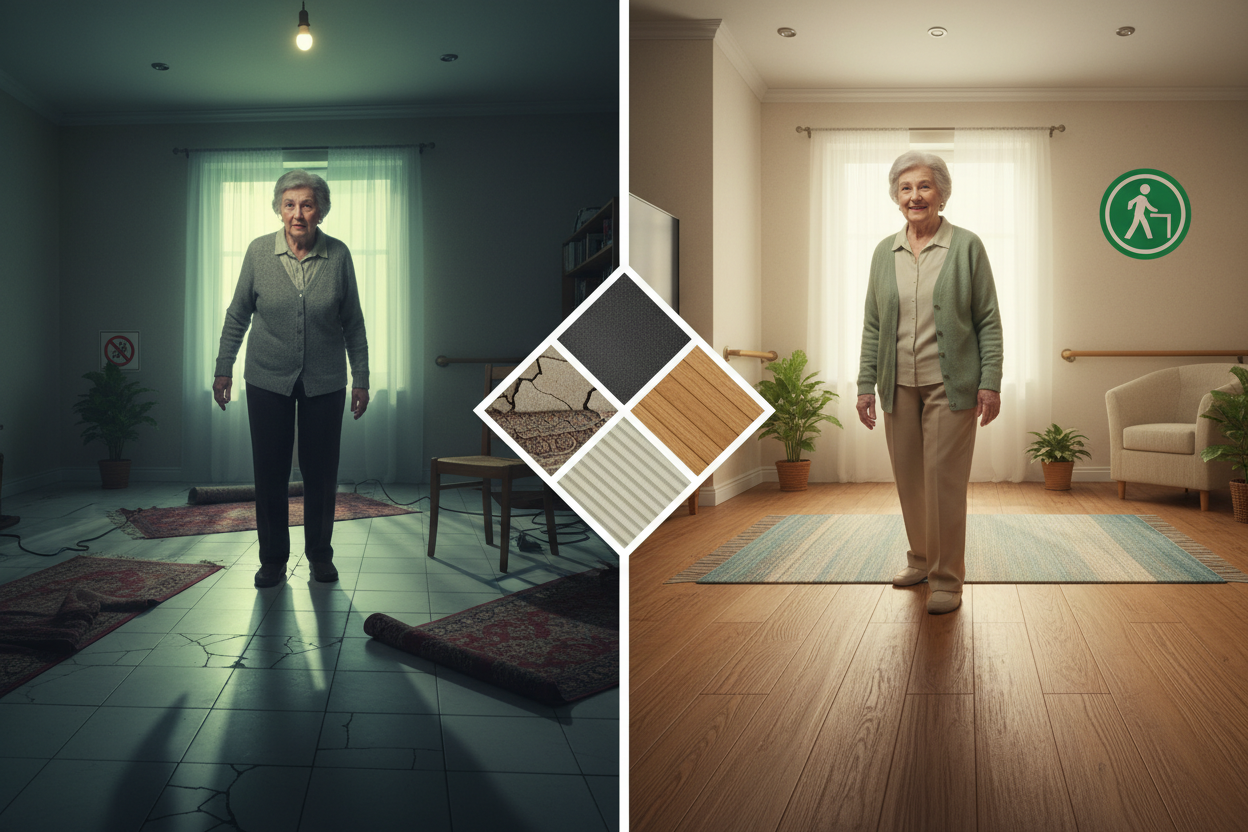
Understanding the Connection Between Flooring and Healthy Aging
When we think about aging gracefully, we often focus on diet, exercise, and medical care. However, our living environment—particularly our flooring—deserves equal attention. As we age, several physical changes occur that make flooring selection more critical than ever.
Our balance naturally declines with age, making slip-resistant surfaces essential. Joint health often deteriorates, making cushioned flooring more comfortable for daily activities. Vision changes can affect depth perception, making high-contrast flooring transitions potentially hazardous. Additionally, mobility aids like walkers, wheelchairs, or canes require specific flooring considerations for optimal function.
The good news? Today’s flooring market offers numerous options that combine safety, comfort, and style. You don’t have to sacrifice aesthetics for functionality when choosing age-friendly flooring solutions.
Essential Safety Features to Prioritize in Age-Friendly Flooring
Safety should be your primary concern when selecting flooring for healthy aging. Several key features can significantly reduce fall risks and enhance daily comfort.
Slip resistance tops the list of safety considerations. Look for flooring with textured surfaces or materials that naturally provide good traction, even when wet. The Americans with Disabilities Act recommends a coefficient of friction of at least 0.6 for level surfaces and 0.8 for ramps.
Cushioning and shock absorption become increasingly important as joints become more sensitive. Flooring that provides some give underfoot can reduce impact stress on knees, hips, and backs during daily activities. This feature is particularly beneficial in areas where you spend extended periods standing, such as kitchens.
Smooth transitions between rooms eliminate tripping hazards. Avoid flooring combinations that create significant height differences or use transition strips that could catch feet or mobility aids. Seamless flooring throughout main living areas is ideal for wheelchair or walker users.
Easy maintenance ensures that cleaning doesn’t become a safety hazard itself. Choose flooring that can be cleaned without requiring you to get on hands and knees or use harsh chemicals that might create slippery residues. 🧽
Best Flooring Materials for Seniors: Pros and Cons
Understanding the benefits and drawbacks of different flooring materials helps you make informed decisions based on your specific needs and circumstances.
Luxury vinyl plank (LVP) and luxury vinyl tile (LVT) have emerged as top choices for age-friendly homes. These materials offer excellent slip resistance, are completely waterproof, provide moderate cushioning, and come in countless designs that mimic wood, stone, or tile. They’re also easy to maintain and relatively affordable. The main drawback is that they may not add as much home value as natural materials.
Cork flooring deserves serious consideration for its exceptional comfort and safety features. This natural material provides excellent cushioning, is naturally antimicrobial, and offers good slip resistance. Cork is also renewable and environmentally friendly. However, it can be damaged by heavy furniture and may require periodic sealing.
Rubber flooring, while not traditionally considered for residential use, offers unparalleled safety benefits. It provides maximum slip resistance and cushioning, making it ideal for exercise areas or bathrooms. Modern rubber flooring comes in attractive designs, but it may not suit all décor preferences and can be more expensive initially.
Carpet remains popular for bedrooms and living areas due to its softness and warmth. It provides excellent cushioning and can help prevent injury if falls do occur. However, carpet can harbor allergens, may create mobility challenges for wheelchairs or walkers, and can become slippery when wet.
Engineered hardwood offers the beauty of natural wood with better stability and often better slip resistance than traditional hardwood. It’s easier to maintain than solid wood and can work well with radiant heating systems. The downside is the potential for water damage and the hard surface that provides minimal cushioning.
Room-Specific Flooring Recommendations for Optimal Safety
Different areas of your home have unique requirements, and your flooring choices should reflect these varying needs for maximum safety and functionality.
In bathrooms, waterproof flooring with excellent slip resistance is non-negotiable. Luxury vinyl tile with textured surfaces, rubber flooring, or specially designed slip-resistant ceramic tiles work well. Avoid traditional ceramic or porcelain tiles unless they have slip-resistant treatments. Consider heated floors to prevent condensation and improve comfort during nighttime visits. 🚿
Kitchens benefit from waterproof, stain-resistant flooring that’s comfortable for extended standing. Luxury vinyl plank, cork, or rubber flooring are excellent choices. If you prefer the look of tile, choose larger tiles to minimize grout lines and select slip-resistant varieties. Avoid high-gloss finishes that can become slippery when wet.
Bedrooms call for comfortable, quiet flooring that’s easy to navigate during nighttime trips. Carpet, cork, or luxury vinyl with padding underneath can provide comfort while maintaining safety. Ensure adequate lighting and avoid throw rugs that could create tripping hazards.
Living areas need durable flooring that accommodates various activities while supporting mobility aids if needed. Luxury vinyl plank, engineered hardwood with slip-resistant finishes, or low-pile carpet work well. Maintain consistent flooring throughout connected spaces to eliminate transition hazards.
Entryways require flooring that handles moisture and debris while providing stable footing. Textured luxury vinyl, rubber, or slip-resistant tile are ideal. Include adequate space for removing wet shoes and consider built-in mats rather than loose rugs.
Installation Considerations and Professional vs. DIY
Proper installation is crucial for flooring safety and longevity, especially when aging-in-place considerations are involved. Several factors should influence your installation decisions.
Professional installation often provides better results for complex projects or when accessibility modifications are needed. Professionals can ensure proper subfloor preparation, accurate measurements, and seamless transitions. They’re also familiar with ADA guidelines and can incorporate features like ramps or threshold modifications.
However, some flooring types are suitable for confident DIYers. Click-lock luxury vinyl planks, for example, can be installed without adhesives and are relatively forgiving for beginners. If you choose DIY installation, take extra care with transition strips and ensure all edges are secure to prevent tripping hazards.
Consider future accessibility needs during installation. Plan for potential wheelchair access by ensuring doorway widths meet ADA standards and avoiding raised thresholds. If you might need grab bars or other safety features later, discuss wall reinforcement during installation.
Timing your installation strategically can minimize disruption. Consider seasonal factors—some materials perform better when installed during specific humidity conditions. Plan installation when you can temporarily relocate to another area of your home if needed. 🔨
Budget-Friendly Options That Don’t Compromise Safety
Creating an age-friendly home doesn’t require breaking the bank. Several affordable flooring options provide excellent safety features without premium price tags.
Sheet vinyl has evolved significantly and now offers many of the benefits of luxury vinyl at a lower cost. Modern sheet vinyl provides good slip resistance, is completely waterproof, and offers moderate cushioning. While it may not have the premium look of plank vinyl, it’s an excellent budget-friendly option for bathrooms and kitchens.
Laminate flooring with attached padding can provide comfort and style at moderate prices. Look for laminate with textured surfaces for better slip resistance, and choose products with good warranties. While not waterproof like vinyl, quality laminate can work well in dry areas.
Area rugs can transform existing flooring into safer, more comfortable surfaces when chosen carefully. Select rugs with non-slip backing, low profiles, and secure edges. However, ensure they don’t create tripping hazards and can be easily cleaned or replaced.
Phased installation allows you to upgrade flooring gradually, focusing first on high-priority areas like bathrooms and main walkways. This approach spreads costs over time while immediately improving safety in critical areas.
Maintenance Tips for Long-Term Safety and Durability
Proper maintenance ensures your age-friendly flooring continues to provide safety benefits for years to come. Different materials require specific care approaches to maintain their protective qualities.
Regular cleaning prevents buildup of substances that could create slip hazards. Use appropriate cleaning products for your specific flooring type—harsh chemicals can damage surfaces or leave slippery residues. Microfiber mops work well for most hard surfaces and are easier to use than traditional mops.
Address spills immediately to prevent staining and slip hazards. Keep cleaning supplies easily accessible in each area of your home to encourage prompt cleanup. Consider having multiple sets of cleaning tools to avoid carrying supplies between floors or distant rooms.
Inspect flooring regularly for wear, damage, or loose sections that could create tripping hazards. Pay special attention to high-traffic areas and transitions between rooms. Address issues promptly—small problems can quickly become safety hazards if ignored.
Maintain proper humidity levels to prevent flooring expansion, contraction, or warping that could create uneven surfaces. Use humidifiers or dehumidifiers as needed, and ensure good ventilation in moisture-prone areas. 🌡️
Creating a Safe, Comfortable Home for Years to Come
Choosing flooring that supports healthy aging is an investment in your long-term independence and quality of life. The right flooring decisions today can prevent injuries, reduce daily discomfort, and help you maintain confidence in your mobility for years to come.
Remember that the best flooring choice varies based on your specific needs, budget, and style preferences. Take time to evaluate each area of your home individually, considering factors like moisture exposure, traffic patterns, and your current and potential future mobility needs.
Don’t hesitate to consult with flooring professionals who understand aging-in-place requirements. Many retailers now offer specialized services for creating age-friendly homes and can provide valuable insights based on your specific situation.
Most importantly, view this flooring selection process as an empowering step toward creating a home that truly supports your well-being. With careful planning and informed choices, you can create beautiful, safe spaces that enhance rather than hinder your daily life. Your future self will thank you for the thoughtful consideration you put into these important decisions today. ✨
Call Us Now!