 Skip to content

How to Support Resident Autonomy with Smart Flooring Solutions 🏠
Imagine walking into a care facility where residents move freely and confidently, where technology seamlessly supports their independence without feeling intrusive. This isn’t a futuristic dream—it’s happening right now through innovative smart flooring solutions that are revolutionizing how we approach resident autonomy in healthcare and senior living environments.
As someone who’s witnessed the transformative power of assistive technology firsthand, I can tell you that smart flooring represents one of the most exciting developments in maintaining dignity and independence for residents while ensuring their safety. These intelligent surfaces are changing the game by providing discrete monitoring, fall prevention, and mobility support—all while allowing residents to maintain their sense of freedom and control over their daily lives.
Understanding Smart Flooring Technology and Its Impact on Independence 🤖
Smart flooring systems are sophisticated networks of sensors embedded directly into the floor surface, creating an invisible safety net that monitors movement patterns, detects falls, and can even predict potential hazards before they occur. Unlike traditional monitoring systems that rely on wearable devices or cameras, smart floors work passively in the background, never requiring residents to remember to wear a device or feel like they’re being watched.
The beauty of this technology lies in its subtlety. Residents go about their daily routines completely naturally, while the flooring system quietly collects data about gait patterns, balance issues, and movement frequency. This information becomes invaluable for care teams who can identify changes in mobility or health status early, allowing for proactive interventions rather than reactive responses to emergencies.
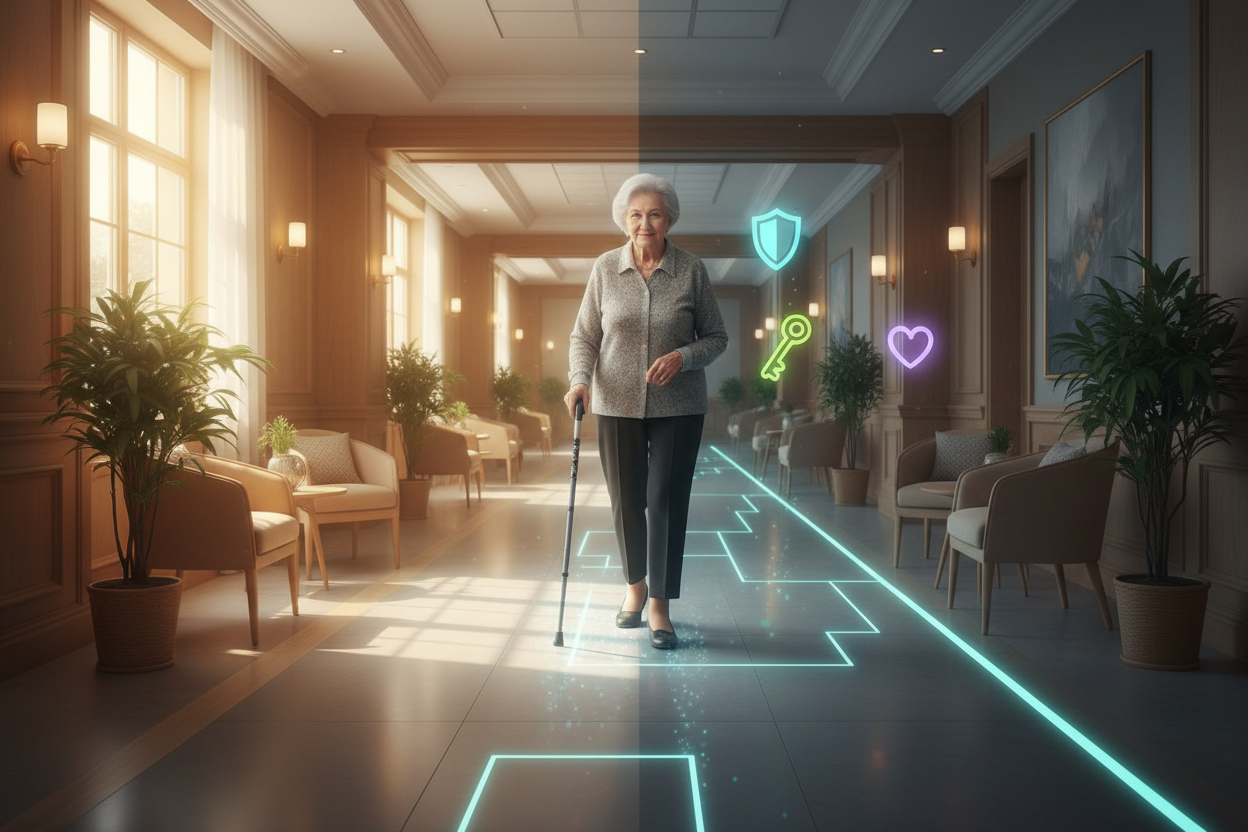
What makes smart flooring particularly powerful for supporting autonomy is its ability to provide just enough assistance without being overbearing. The system can distinguish between normal activities and potential emergencies, ensuring that residents aren’t unnecessarily interrupted during their daily routines while still maintaining a crucial safety backup when needed.
Key Benefits of Smart Flooring for Resident Autonomy 💪
The advantages of implementing smart flooring solutions extend far beyond simple fall detection. These systems create a comprehensive support structure that empowers residents to maintain their independence while providing peace of mind for both residents and their families.
Enhanced mobility confidence stands out as perhaps the most significant benefit. When residents know that the floor beneath their feet is actively monitoring their safety, they often feel more confident moving around independently. This increased confidence translates into more physical activity, better social engagement, and improved overall quality of life.
Privacy preservation is another crucial advantage that traditional monitoring systems often struggle to provide. Smart floors eliminate the need for cameras in private spaces or constant human supervision, allowing residents to maintain their dignity and personal space while still receiving necessary safety monitoring.
The predictive capabilities of smart flooring systems also contribute significantly to autonomy by identifying potential issues before they become serious problems. For example, if the system detects subtle changes in a resident’s walking pattern that might indicate developing balance issues, care teams can implement preventive measures or physical therapy interventions before a fall occurs.
Implementing Smart Flooring in Care Environments 🏥
Successfully implementing smart flooring requires careful planning and consideration of the specific needs of your resident population. The installation process typically involves replacing existing flooring with sensor-embedded alternatives, though some systems can be retrofitted into existing floors with minimal disruption.
The key to successful implementation lies in involving residents in the process from the beginning. Explaining how the technology works, what data is collected, and how it will be used helps build trust and acceptance. Many residents are initially skeptical of new technology, but when they understand that smart flooring actually increases their freedom rather than restricting it, acceptance rates improve dramatically.
Staff training plays an equally important role in implementation success. Care teams need to understand how to interpret the data provided by smart flooring systems and how to respond appropriately to different types of alerts. The goal is to enhance human care, not replace it, so staff must learn to use the technology as a tool that supports their professional judgment rather than overriding it.
Integration with existing care management systems is also crucial for maximizing the benefits of smart flooring. When movement data can be combined with medical records, medication schedules, and care plans, it creates a comprehensive picture that supports more personalized and effective care delivery.
Addressing Privacy and Ethical Considerations 🔒
While smart flooring offers tremendous benefits for resident autonomy, it’s essential to address the privacy and ethical considerations that come with any monitoring technology. Transparency about data collection, storage, and usage is absolutely critical for maintaining trust and ensuring that residents feel comfortable with the system.
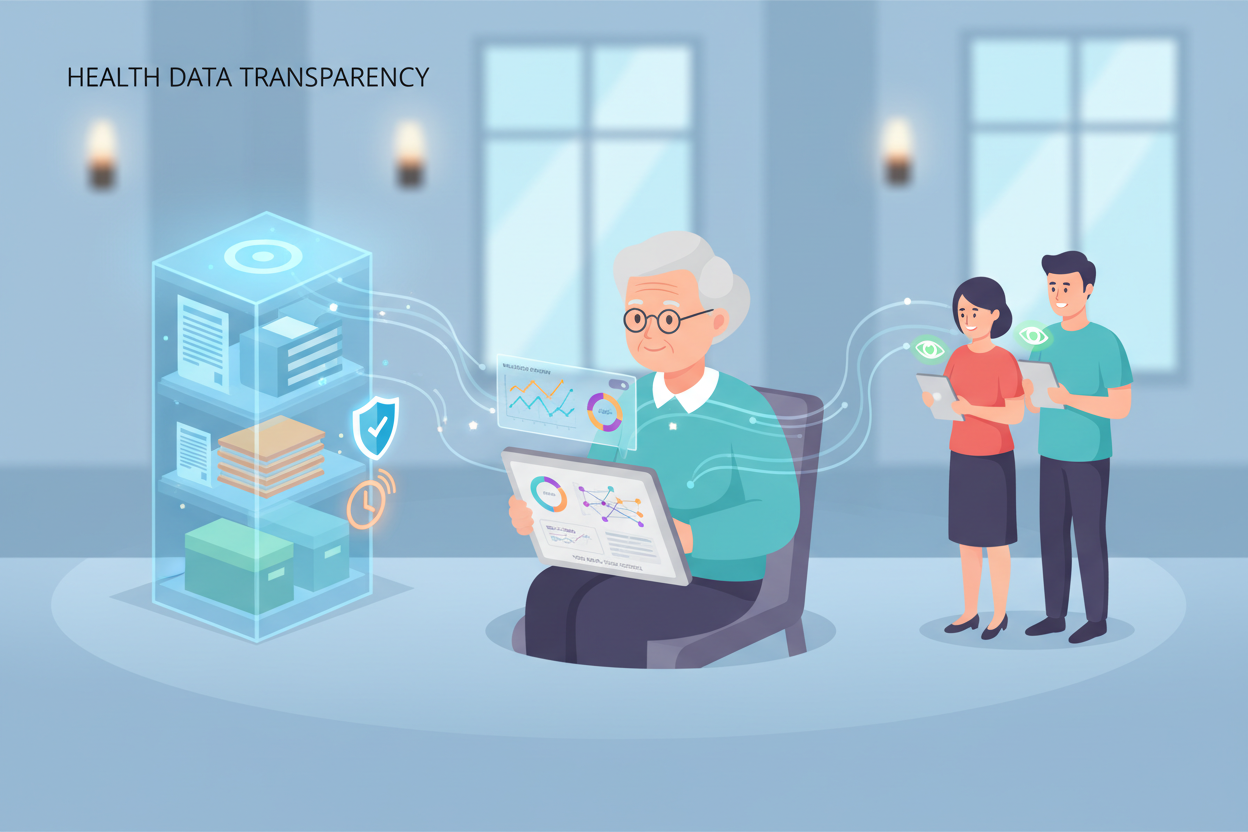
Clear policies should outline exactly what information is collected, who has access to it, and how long it’s retained. Residents and their families should have the right to review their data and understand how it’s being used to support their care. Some facilities have found success in providing residents with access to their own movement data, allowing them to track their own progress and take an active role in their health management.
Consent processes must be thorough and ongoing, not just a one-time signature on an admission form. Residents should understand that they can withdraw consent at any time and that doing so won’t affect the quality of their care in other areas. This level of transparency actually tends to increase acceptance rather than decrease it, as residents appreciate being treated as partners in their care rather than passive recipients.
Data security measures must be robust, with encryption, access controls, and regular security audits to protect sensitive information. The consequences of a data breach in a healthcare environment can be devastating, so investing in proper security infrastructure is not optional—it’s essential.
Real-World Success Stories and Case Studies 📈
The theoretical benefits of smart flooring become much more compelling when you see real-world results. At Sunset Manor, a 150-bed assisted living facility in Oregon, the implementation of smart flooring led to a 40% reduction in fall-related injuries within the first year. More importantly, resident satisfaction scores increased significantly, with many residents reporting that they felt more confident moving around independently.
One particularly touching success story involves Margaret, an 82-year-old resident who had become increasingly isolated after a fall left her afraid to walk alone. The smart flooring system allowed staff to gradually build her confidence by providing real-time feedback about her stability and gait. Over six months, Margaret progressed from using a walker constantly to taking independent walks around the facility, dramatically improving her quality of life and social engagement.
At Riverside Care Center in Florida, smart flooring helped identify early signs of cognitive decline in several residents by detecting changes in their movement patterns and navigation abilities. This early detection allowed for timely interventions and care plan adjustments that helped maintain resident independence for longer periods than might otherwise have been possible.
These success stories highlight a crucial point: smart flooring isn’t just about preventing falls or detecting emergencies. It’s about providing the support and confidence that residents need to maintain their autonomy and continue living their lives on their own terms for as long as possible.
Future Developments and Emerging Technologies 🚀
The field of smart flooring is evolving rapidly, with new developments promising even greater support for resident autonomy. Artificial intelligence integration is becoming more sophisticated, allowing systems to learn individual movement patterns and provide increasingly personalized support and recommendations.
Integration with other smart home technologies is creating comprehensive environments that respond to residents’ needs automatically. Imagine floors that can communicate with lighting systems to automatically brighten pathways when someone gets up at night, or that can adjust room temperature based on activity levels and movement patterns.
Predictive analytics are becoming more accurate, potentially allowing care teams to identify health issues days or weeks before they become apparent through traditional assessment methods. This level of early detection could revolutionize preventive care and help residents maintain their independence for significantly longer periods.
Voice integration and feedback systems are also being developed, allowing residents to interact directly with their flooring systems to request assistance, report concerns, or access information about their movement patterns and health trends.
Making the Investment: Cost Considerations and ROI 💰
While smart flooring systems represent a significant initial investment, the long-term benefits often justify the costs through reduced liability, improved resident outcomes, and enhanced facility reputation. The average cost of a fall-related injury in a care facility can exceed $30,000 when you factor in medical treatment, potential litigation, and regulatory compliance issues.
Smart flooring systems typically pay for themselves within 2-3 years through reduced insurance costs, fewer injury-related expenses, and improved operational efficiency. Many facilities also find that they can reduce staffing costs in some areas while improving care quality, as the technology allows staff to focus their attention where it’s most needed rather than providing constant supervision for all residents.
Grant funding and technology adoption incentives are increasingly available for facilities looking to implement smart flooring solutions. Many state and federal programs recognize the value of technology that supports aging in place and resident autonomy, making financial assistance more accessible than ever before.
The return on investment extends beyond financial considerations to include improved resident satisfaction, family confidence, and staff morale. These intangible benefits can be just as valuable as the measurable cost savings, contributing to a facility’s overall success and reputation in the community.
Conclusion: Empowering Independence Through Innovation ✨
Smart flooring solutions represent a paradigm shift in how we approach resident care and autonomy. By providing invisible, comprehensive monitoring that supports rather than restricts independence, these systems are helping residents maintain their dignity and freedom while ensuring their safety and well-being.
The key to success lies in implementing these technologies thoughtfully, with full transparency and resident involvement throughout the process. When done correctly, smart flooring becomes an empowering tool that enhances quality of life rather than a monitoring system that feels invasive or restrictive.
As we look toward the future of senior care and assisted living, smart flooring solutions will undoubtedly play an increasingly important role in supporting resident autonomy. The technology is here, the benefits are proven, and the potential for improving lives is enormous. For facilities ready to embrace innovation in service of their residents’ independence, smart flooring offers a pathway to a future where safety and autonomy can coexist beautifully.
The journey toward implementing smart flooring may seem daunting, but the destination—a care environment where residents feel confident, safe, and truly independent—makes every step worthwhile. After all, isn’t that what quality care is really about? 🌟
Call Us Now!