 Skip to content

The Role of Flooring in Resident Engagement and Well-Being: Creating Spaces That Inspire Connection 🏠
Have you ever walked into a space and immediately felt either energized or drained? That’s the power of thoughtful design at work, and flooring plays a much bigger role in this phenomenon than most people realize. When we think about resident engagement and well-being in community spaces, apartments, or care facilities, we often focus on furniture, lighting, or activities. But beneath our feet lies one of the most influential design elements that can either foster connection or create barriers to meaningful interaction.
The flooring beneath us does more than simply provide a surface to walk on—it sets the tone for how residents move through, interact with, and feel about their living environment. From the warm embrace of natural wood that encourages gathering to the clean functionality of modern vinyl that promotes active use, every flooring choice sends subtle signals about how a space is meant to be experienced. Let’s explore how this often-overlooked element can transform resident engagement and contribute to overall well-being in profound ways.
The Psychology Behind Flooring Choices 🧠
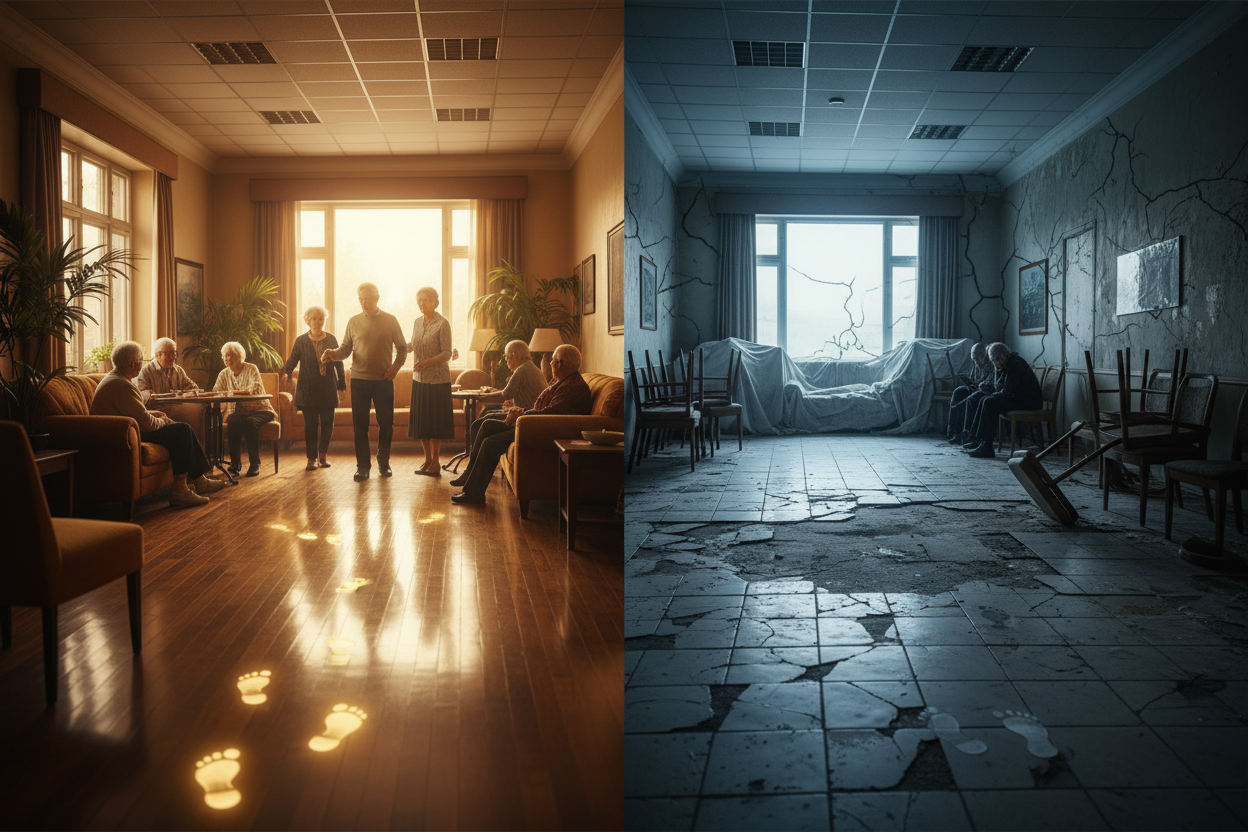
Our brains are constantly processing environmental cues, and flooring materials trigger both conscious and subconscious responses that influence behavior. Research in environmental psychology shows that different textures, colors, and materials can affect everything from stress levels to social interaction patterns. Hard surfaces like polished concrete might signal efficiency and modernity, encouraging quick movement through transitional spaces, while softer materials like carpet create a sense of comfort that naturally slows people down and invites lingering conversations.
The acoustic properties of flooring also play a crucial role in psychological comfort. Residents in spaces with hard flooring often report feeling more anxious due to increased noise levels from footsteps, dropped objects, and general activity. This constant background noise can create a sense of chaos that inhibits relaxation and meaningful connection. Conversely, sound-absorbing materials help create the calm environment necessary for residents to feel comfortable engaging with their neighbors and participating in community activities.
Color psychology extends to flooring as well, with warmer tones like honey oak or rich mahogany creating feelings of security and belonging, while cooler tones like gray stone can feel more formal and potentially isolating. The key is understanding your resident population and choosing flooring that aligns with the emotional atmosphere you want to cultivate.
How Flooring Materials Impact Social Interaction 🤝
Different flooring materials naturally encourage or discourage various types of social activities. Carpet, for instance, creates natural gathering spots where residents feel comfortable sitting on the floor for informal conversations, game nights, or community meetings. The softness underfoot signals that the space is designed for comfort and extended stays, which is essential for building the kind of relationships that enhance resident satisfaction and retention.
Hardwood flooring strikes an interesting balance—it’s durable enough for high-traffic areas and easy to clean for community events, yet warm enough to feel inviting. Many successful community spaces use hardwood in areas where they want to encourage both movement and gathering, such as lobbies or multipurpose rooms. The natural variations in wood grain also add visual interest that gives residents something to talk about, serving as an unexpected conversation starter.
Luxury vinyl plank (LVP) has emerged as a popular choice for modern residential communities because it combines the visual appeal of hardwood with practical benefits like water resistance and easy maintenance. This allows communities to create beautiful, wood-look spaces in areas that might traditionally require more utilitarian flooring, expanding opportunities for resident engagement throughout the property.
The transition between different flooring materials also affects social flow. Thoughtful transitions can create natural gathering points where different areas meet, while abrupt changes in flooring can feel jarring and discourage movement between spaces. Successful community designs use flooring transitions to guide residents naturally from private spaces to more social areas.
Safety and Accessibility: Foundations of Well-Being 🛡️
Before residents can engage meaningfully with their community, they need to feel safe and confident moving through their environment. Flooring plays a critical role in both actual safety and perceived safety, which can significantly impact a resident’s willingness to participate in activities or explore common areas.
Slip resistance is paramount, especially in areas prone to moisture like entryways, kitchens, or near pools. However, safety doesn’t have to come at the expense of aesthetics. Modern flooring technologies offer beautiful options with excellent traction, allowing communities to maintain their design vision while protecting residents. Textured luxury vinyl, for example, can provide the look of natural stone with superior slip resistance.
For communities serving older adults or residents with mobility challenges, flooring choices become even more critical. Smooth, level surfaces without raised edges or dramatic texture changes allow for easier navigation with mobility aids. Yet these practical considerations don’t mean sacrificing visual appeal—many accessible flooring options now come in sophisticated designs that enhance rather than detract from a space’s aesthetic.
Proper lighting interaction with flooring is another safety consideration that affects well-being. Glossy surfaces can create glare that makes navigation difficult, while matte finishes provide better visibility. The interplay between natural light, artificial lighting, and flooring reflectivity should be carefully considered to create environments where residents feel confident and comfortable moving around at all times of day.
Creating Zones for Different Activities Through Flooring 🎯
Strategic flooring choices can help define different areas within open-concept spaces, creating natural zones that encourage specific types of engagement without requiring walls or other physical barriers. This concept, known as “wayfinding through design,” helps residents intuitively understand how different spaces are meant to be used.
In community centers or clubhouses, you might see carpet defining quiet conversation areas, while polished concrete or tile marks active zones for fitness or dancing. These visual cues help residents navigate social situations more comfortably—introverts can gravitate toward the quieter, carpeted areas, while more social residents might prefer the energy of harder-surface gathering spaces.
The scale and pattern of flooring can also influence behavior. Large-format tiles or wide-plank flooring tends to make spaces feel more expansive and formal, encouraging movement and larger gatherings. Smaller-scale patterns create more intimate feelings that work well for smaller group interactions or quiet activities like reading or crafting.
Outdoor flooring extends these principles to exterior spaces, with materials like permeable pavers or composite decking creating comfortable outdoor rooms that expand opportunities for resident engagement beyond interior walls. These spaces often become some of the most beloved areas in residential communities because they offer the psychological benefits of outdoor living with the comfort and functionality of thoughtfully designed flooring.
Maintenance and Longevity: Supporting Long-Term Engagement 🔧
The most beautiful flooring in the world won’t support resident engagement if it quickly becomes stained, worn, or damaged. Choosing appropriate flooring for each space’s intended use ensures that community areas remain inviting and functional over time, which is essential for sustained resident satisfaction.
High-traffic areas require flooring that can withstand constant use while maintaining its appearance. Commercial-grade luxury vinyl, polished concrete with proper sealers, or engineered hardwood with durable finishes can handle the demands of busy community spaces while aging gracefully. When flooring looks fresh and well-maintained, it sends a message that the community values its residents and takes pride in providing quality living experiences.
Easy maintenance also means that community staff can focus more time and resources on programming and resident services rather than constant floor care. This indirect benefit of smart flooring choices ultimately supports better resident engagement by freeing up resources for activities and amenities that directly enhance community life.
Sustainability considerations are increasingly important to many residents, and flooring choices that reflect environmental consciousness can actually boost engagement by aligning with residents’ values. Bamboo, cork, reclaimed wood, and recycled content luxury vinyl all offer ways to create beautiful spaces while demonstrating community commitment to responsible practices.
The Economic Impact of Thoughtful Flooring Decisions 💰
While the upfront cost of quality flooring might seem significant, the long-term economic benefits of choosing the right materials for resident engagement are substantial. Properties with well-designed, comfortable common areas typically see higher resident satisfaction scores, which translate directly to better retention rates and reduced turnover costs.
The hidden costs of poor flooring choices extend beyond replacement expenses. Floors that are difficult to clean, prone to damage, or uncomfortable to use can lead to decreased utilization of community spaces, essentially wasting the investment in those areas. Residents who don’t use community amenities are less likely to renew leases and more likely to view their housing as merely functional rather than as a true home.
Insurance considerations also play a role, as safer flooring choices can help reduce liability risks and potentially lower insurance premiums. More importantly, preventing slip-and-fall incidents protects residents and maintains the positive community atmosphere essential for engagement.
Energy efficiency represents another economic benefit of thoughtful flooring choices. Materials with good insulation properties can help reduce heating and cooling costs, while light-colored surfaces can improve natural lighting and reduce electricity needs. These savings can be reinvested in community programming and amenities that directly enhance resident experiences.
Conclusion: Building Community from the Ground Up 🌟
The flooring beneath our feet might seem like a simple, practical consideration, but as we’ve explored, it’s actually a powerful tool for shaping resident engagement and well-being. From the psychological comfort of walking on warm hardwood to the practical safety of slip-resistant surfaces, every flooring decision ripples through the community experience in ways both obvious and subtle.
The most successful residential communities understand that creating spaces where people truly want to spend time requires attention to every detail, including the foundation beneath their feet. When residents feel comfortable, safe, and inspired by their physical environment, they’re naturally more inclined to engage with their neighbors, participate in activities, and view their residence as a true home rather than just a place to sleep.
As we continue to learn more about the connections between our physical environments and our mental health, the importance of thoughtful design choices like flooring will only grow. Communities that invest in creating beautiful, functional, and engaging spaces through careful attention to elements like flooring will find themselves with happier residents, stronger communities, and more sustainable business models.
Whether you’re designing a new community, renovating existing spaces, or simply trying to understand why certain areas in your property are more popular than others, remember to look down. The answers might be right beneath your feet, waiting to unlock new possibilities for resident engagement and well-being. After all, every great community story starts with a solid foundation—and that foundation begins with the flooring that supports every step of the resident journey. ✨
Call Us Now!