 Skip to content

The Benefits of Sound-Absorbing Flooring in Elderly Care: Creating Peaceful Environments for Better Health 🏥
When my grandmother moved into an assisted living facility last year, I noticed something immediately during my first visit – the constant echo of footsteps, rolling carts, and conversations that seemed to bounce off every surface. The noise was overwhelming, and I could see how it affected not just her, but all the residents trying to rest, recover, or simply enjoy a peaceful moment. This experience opened my eyes to something I’d never considered before: the profound impact that flooring choices can have on the well-being of elderly individuals in care facilities.
Sound-absorbing flooring isn’t just a luxury amenity – it’s becoming an essential component of quality elderly care environments. As our population ages and more families seek the best possible care solutions for their loved ones, understanding how acoustic flooring can transform living spaces becomes increasingly important. Let’s explore why this seemingly simple upgrade can make such a dramatic difference in the daily lives of elderly residents and their caregivers.
Understanding the Acoustic Challenges in Elderly Care Facilities 🔊
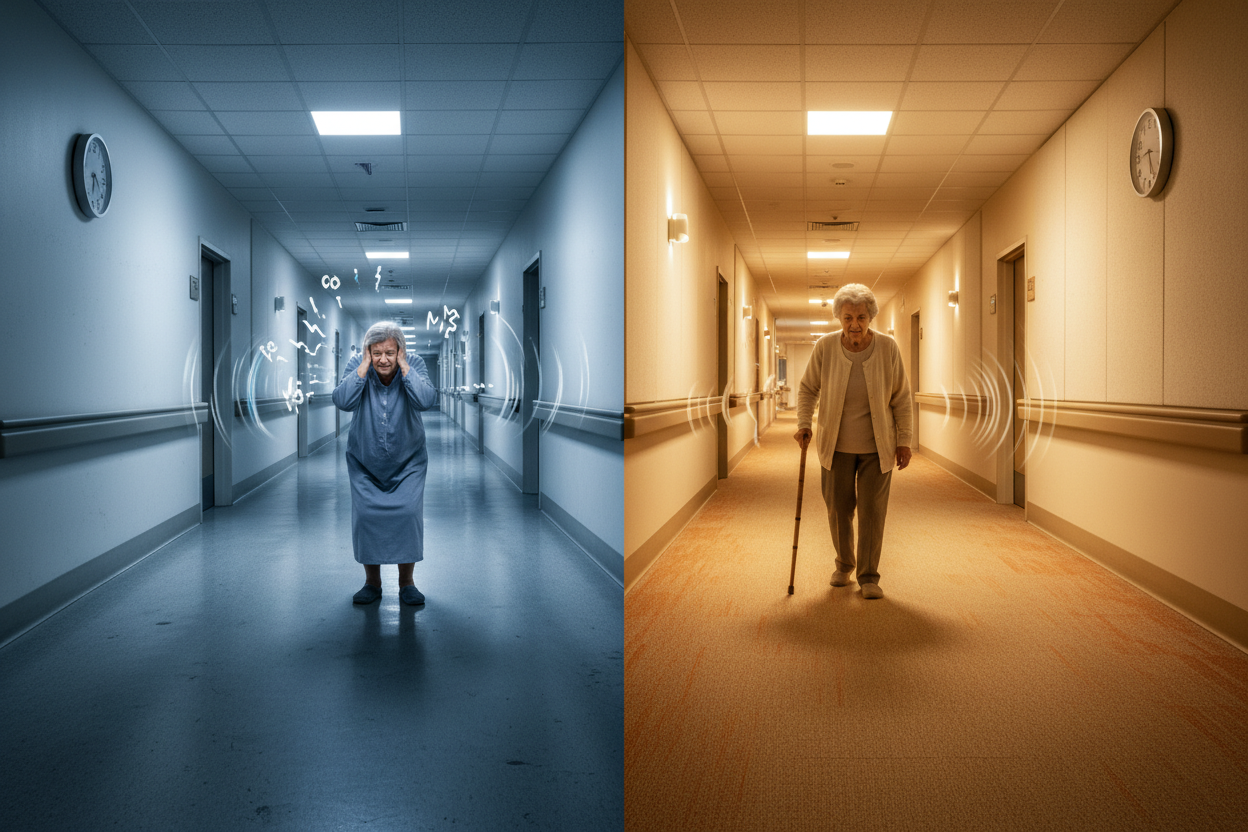
Traditional care facilities often feature hard surfaces like vinyl, linoleum, or ceramic tiles – materials chosen primarily for their ease of cleaning and durability. While these practical considerations are important, they create what acoustics experts call “hard surface reverberation.” Every sound bounces around the space, creating an echo chamber effect that can be particularly distressing for elderly individuals.
Consider the typical sounds in a care facility: wheelchairs rolling down hallways, medical equipment being moved, staff conversations, television programs, and the general bustle of daily activities. On hard flooring surfaces, these sounds don’t just stay where they originate – they travel, amplify, and create a constant background noise that can reach levels of 60-70 decibels or higher. That’s equivalent to the noise level of a busy restaurant during peak hours!
For elderly residents, many of whom may already be dealing with hearing difficulties, cognitive challenges, or heightened sensitivity to environmental stimuli, this acoustic chaos can be more than just annoying – it can be genuinely harmful to their physical and mental health.
The Science Behind Sound Absorption and Senior Health 🧠
Research in environmental psychology has consistently shown that excessive noise levels can trigger stress responses in the human body, regardless of age. However, elderly individuals are particularly vulnerable to these effects. Dr. Sarah Mitchell, a geriatric specialist I spoke with recently, explained that prolonged exposure to high noise levels can lead to elevated cortisol production, disrupted sleep patterns, and increased anxiety levels in seniors.
Sound-absorbing flooring works by incorporating materials and structures that capture sound waves rather than reflecting them. These specialized floors contain layers of acoustic materials – often foam, rubber, or fiber-based compounds – that convert sound energy into small amounts of heat, effectively “absorbing” the noise before it can bounce around the room.
The result is measurable: facilities that have installed acoustic flooring typically see noise level reductions of 15-25 decibels, which represents a significant improvement in the acoustic environment. To put this in perspective, a reduction of just 10 decibels is perceived by the human ear as roughly a 50% decrease in loudness.
Improved Sleep Quality and Rest Patterns 😴
Perhaps nowhere is the benefit of sound-absorbing flooring more apparent than in its impact on sleep quality. Many elderly individuals already struggle with sleep disorders, medication-related sleep disruptions, or natural changes in sleep patterns that come with aging. The last thing they need is environmental noise preventing them from getting the restorative sleep their bodies require.
In traditional care facilities with hard flooring, nighttime can be particularly challenging. The sound of staff making rounds, emergency responses, or even other residents moving about can easily wake light sleepers. With sound-absorbing flooring, these inevitable nighttime activities create significantly less disturbance.
I remember visiting my grandmother one evening after her facility had installed new acoustic flooring in the residential wings. The difference was remarkable – conversations at the nurses’ station were barely audible from her room just down the hall, and the constant “click-clack” of footsteps that had previously marked every shift change was virtually eliminated. She reported sleeping better than she had in months, and her overall mood and energy levels improved noticeably.
Enhanced Communication and Social Interaction 💬
One of the most overlooked benefits of acoustic flooring in elderly care is its positive impact on communication. When background noise levels are high, people naturally speak louder to be heard, which creates even more noise – a vicious cycle that can make normal conversation nearly impossible.
Sound-absorbing flooring breaks this cycle by creating quieter baseline conditions. This is particularly important for elderly individuals who may already be dealing with hearing loss or cognitive challenges that make processing speech more difficult. In a quieter environment, conversations can happen at normal volume levels, making social interaction more natural and enjoyable.
Activities like group therapy sessions, family visits, and social gatherings become more meaningful when participants don’t have to shout over ambient noise. This improved communication environment can significantly impact residents’ social engagement and overall quality of life.
Stress Reduction and Mental Well-being Benefits 🌱
The psychological benefits of a quieter living environment cannot be overstated, especially for elderly individuals who may already be coping with the stress of health challenges, loss of independence, or adjustment to a new living situation. Chronic noise exposure has been linked to increased levels of anxiety, depression, and cognitive decline in seniors.
Sound-absorbing flooring creates what environmental psychologists call a “restorative environment” – a space that allows the nervous system to relax and recover from daily stressors. This is particularly important in care facilities, where residents may spend the majority of their time indoors.
Many facilities that have implemented acoustic flooring report improvements in what they call “sundowning” behaviors – the increased agitation and confusion that some dementia patients experience in the late afternoon and evening. While the exact causes of sundowning are complex, reducing environmental stressors like excessive noise appears to help some individuals maintain calmer, more stable moods throughout the day.
Safety and Fall Prevention Advantages 🛡️
While the acoustic benefits of sound-absorbing flooring are significant, these specialized floor systems often provide additional safety advantages that are particularly relevant in elderly care settings. Many acoustic flooring options incorporate slip-resistant surfaces and cushioning properties that can help reduce the severity of injuries if falls do occur.
The cushioning effect of acoustic flooring can be especially beneficial for elderly individuals who may be at higher risk for fractures due to osteoporosis or other bone density issues. While no flooring system can prevent all fall-related injuries, the additional cushioning provided by many acoustic floor systems can help reduce the impact force of falls.
Additionally, the improved acoustic environment created by sound-absorbing flooring can indirectly contribute to safety by reducing confusion and disorientation that can result from excessive noise levels. When residents can better hear and process their environment, they may be more aware of potential hazards and better able to navigate their surroundings safely.
Staff Benefits and Improved Care Quality 👩⚕️
The benefits of sound-absorbing flooring extend beyond residents to the dedicated staff members who provide care. Healthcare workers in noisy environments often experience higher levels of job-related stress and fatigue, which can impact both job satisfaction and the quality of care they’re able to provide.
In quieter environments created by acoustic flooring, staff members report feeling less mentally fatigued at the end of their shifts. They can communicate more effectively with residents and colleagues, and they’re better able to hear important sounds like call bells or changes in residents’ breathing patterns that might indicate medical concerns.
Reduced noise levels also make it easier for staff to concentrate on complex tasks like medication administration or documentation, potentially reducing errors and improving overall care quality. Many facilities find that staff turnover rates improve after implementing acoustic improvements, as the work environment becomes more pleasant and less stressful.
Choosing the Right Sound-Absorbing Flooring Solution 🏗️
Not all acoustic flooring solutions are created equal, and selecting the right option for an elderly care facility requires careful consideration of multiple factors. The ideal flooring system should balance acoustic performance with practical considerations like durability, cleanability, and maintenance requirements.
Modern acoustic flooring options include luxury vinyl tiles with acoustic backing, carpet tiles with sound-absorbing properties, rubber flooring systems, and specialized acoustic underlayments that can be used with various surface materials. Each option has its own advantages and considerations in terms of installation, maintenance, and long-term performance.
When evaluating options, it’s important to look for flooring systems that have been specifically tested for acoustic performance and that meet relevant industry standards for healthcare environments. Many manufacturers now provide detailed acoustic testing data, including Impact Insulation Class (IIC) and Sound Transmission Class (STC) ratings that can help facility managers make informed decisions.
The Future of Acoustic Design in Senior Care 🚀
As our understanding of the relationship between environmental factors and health outcomes continues to evolve, acoustic design is becoming an increasingly important consideration in senior care facility planning. Forward-thinking facilities are moving beyond basic noise reduction to embrace comprehensive acoustic design strategies that consider everything from ceiling treatments to furniture selection.
Emerging technologies are also creating new possibilities for acoustic management in care environments. Smart building systems can now monitor noise levels in real-time and automatically adjust environmental factors like HVAC systems to maintain optimal acoustic conditions throughout the day.
The growing body of research supporting the health benefits of acoustic design is also driving changes in industry standards and regulations. We’re likely to see more specific acoustic requirements incorporated into care facility design guidelines and accreditation standards in the coming years.
Conclusion: Creating Healing Environments Through Better Acoustics 🌟
The journey toward better elderly care isn’t just about medical advances or staffing improvements – it’s also about creating environments that support healing, comfort, and dignity. Sound-absorbing flooring represents a simple yet powerful tool for transforming care facilities into truly therapeutic spaces.
From improved sleep quality and enhanced communication to reduced stress levels and better safety outcomes, the benefits of acoustic flooring extend far beyond simple noise reduction. For families choosing care facilities for their loved ones, acoustic design should be an important consideration alongside more traditional factors like medical services and staff qualifications.
As we continue to learn more about the profound impact that environmental factors can have on health and well-being, investments in acoustic improvements like sound-absorbing flooring represent not just facility upgrades, but genuine improvements in care quality. Every elderly individual deserves to live in an environment that supports their health, comfort, and peace of mind – and sometimes, that peace begins with the floor beneath their feet.
The next time you visit an elderly care facility, take a moment to listen. Is it a place where you would want to spend your golden years? If the answer involves concerns about noise and chaos, perhaps it’s time to advocate for the simple yet transformative power of sound-absorbing flooring. After all, creating spaces where our elders can thrive isn’t just good business – it’s the right thing to do. 💙
Call Us Now!