 Skip to content

How to Adapt Flooring for Seasonal Changes in Senior Living: A Complete Guide to Year-Round Safety and Comfort
When my grandmother moved into her assisted living facility three years ago, I never imagined that something as simple as flooring could make such a dramatic difference in her daily life. It wasn’t until she slipped on a wet entrance mat during a rainy October day that I truly understood how seasonal changes can transform even the most carefully designed senior living spaces into potential hazards. 🏠
As our loved ones age, their mobility, balance, and overall safety become increasingly dependent on their environment. The flooring beneath their feet serves as the foundation for every step they take, every transfer they make, and every moment of independence they cherish. When seasons change, so do the challenges that flooring presents in senior living communities.

This comprehensive guide will walk you through the essential strategies for adapting flooring to meet the unique demands of each season, ensuring that senior residents can navigate their living spaces safely and confidently throughout the year.
Understanding the Unique Flooring Challenges in Senior Living
Senior living communities face a perfect storm of flooring challenges that intensify with seasonal changes. Unlike typical residential or commercial spaces, these facilities must accommodate residents with varying degrees of mobility, from those who walk independently to others using wheelchairs, walkers, or canes.
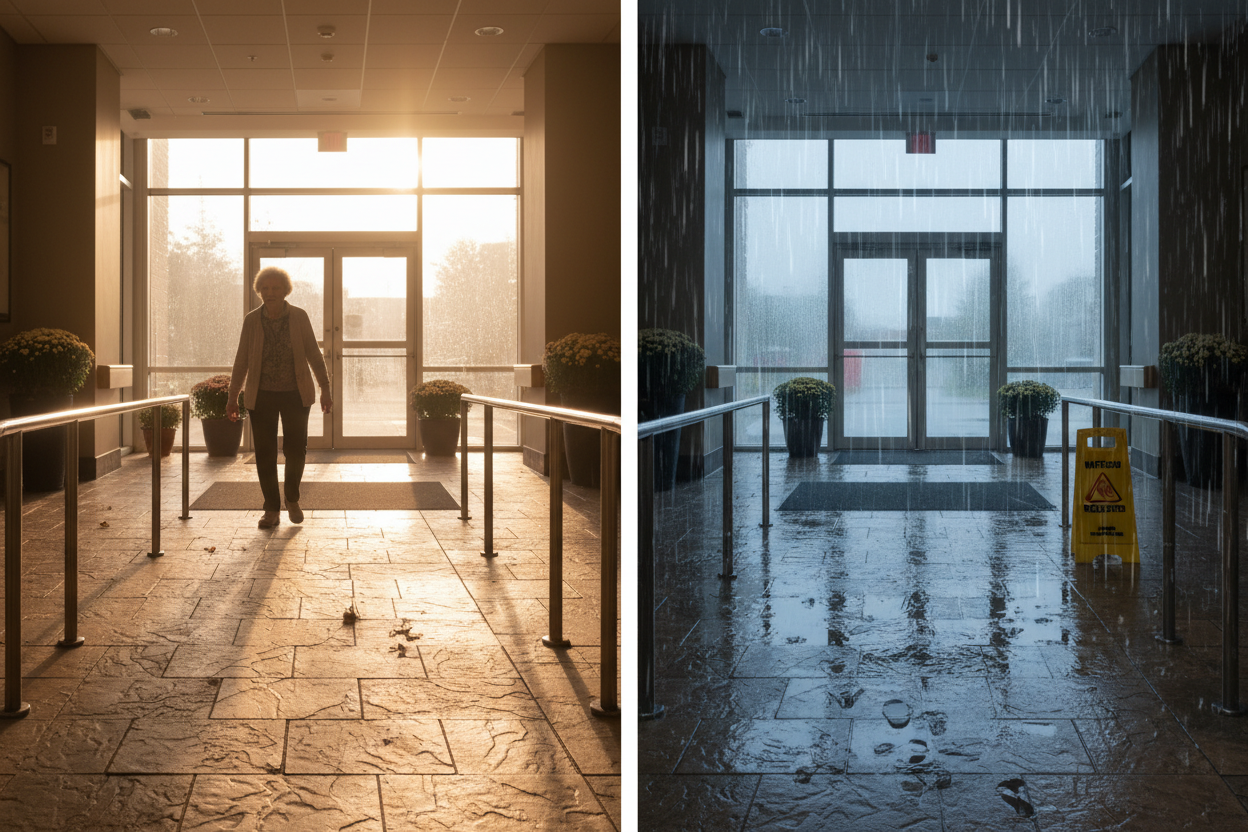
The statistics paint a sobering picture: according to the CDC, one in four adults aged 65 and older falls each year, with many of these incidents occurring due to environmental factors like slippery or uneven surfaces. When you factor in seasonal elements like wet shoes, salt residue, and fluctuating humidity levels, the challenge becomes even more complex.
What makes senior living flooring particularly challenging is the need to balance multiple priorities simultaneously. The flooring must be slip-resistant yet easy to clean, comfortable for extended standing yet durable enough to withstand heavy foot traffic, and aesthetically pleasing while maintaining practical functionality. ✨
Spring Flooring Adaptations: Managing Moisture and Renewal
Spring brings a sense of renewal to senior living communities, but it also introduces unique flooring challenges that require proactive management. As winter gives way to warmer weather, facilities must navigate increased moisture levels, more frequent cleaning needs, and the transition from heavy winter footwear to lighter spring shoes.
The primary concern during spring months is moisture management. April showers don’t just bring May flowers – they bring wet shoes, dripping umbrellas, and increased humidity that can create treacherous conditions on smooth flooring surfaces. Smart facility managers begin their spring preparations by installing high-quality entrance matting systems that extend well beyond the doorway.
Consider implementing a three-zone entrance system: an outdoor scraper mat to remove heavy debris, an indoor absorption mat to capture moisture, and a final drying zone with slip-resistant properties. This layered approach significantly reduces the amount of water and debris that reaches the main living areas.
Spring is also an ideal time for deep cleaning and maintenance. The harsh winter months often leave floors looking dull and worn, making this season perfect for professional deep cleaning, resealing, and minor repairs. Many facilities schedule their annual floor maintenance during late spring when weather conditions are most favorable for proper drying and curing of floor treatments.
Summer Strategies: Heat, Humidity, and High Traffic
Summer presents its own set of flooring challenges in senior living environments. Higher temperatures and increased humidity can cause certain flooring materials to expand, creating potential trip hazards or gaps. Additionally, summer often brings more visitors, outdoor activities, and increased foot traffic throughout the facility.
Temperature control becomes crucial during summer months. Facilities with large windows or poor insulation may experience significant temperature fluctuations that affect flooring materials differently. Luxury vinyl tile (LVT) and laminate flooring can expand and contract with temperature changes, potentially creating gaps or buckling if not properly installed with adequate expansion space.
Humidity management is equally important. High humidity levels can make floors feel sticky or slippery, particularly in areas with smooth surfaces like lobbies or dining rooms. Installing proper ventilation and maintaining consistent indoor climate control helps prevent these issues while keeping residents comfortable.
Summer is also peak season for maintenance projects that were postponed during winter months. Many facilities use this time to address any flooring issues that developed during the colder months, taking advantage of longer daylight hours and better weather conditions for projects requiring ventilation or outdoor access. 🌞
Fall Preparations: Transitioning to Indoor Living
Fall represents a critical transition period in senior living facilities. As residents spend more time indoors and outdoor activities decrease, the focus shifts to creating warm, comfortable interior spaces while preparing for the challenges that winter will bring.
Leaf season creates unique challenges for entrance areas. Wet leaves can be incredibly slippery and are often tracked inside on shoes and mobility devices. Implementing aggressive entrance maintenance during fall months is essential. This includes more frequent mat cleaning, increased attention to outdoor walkway maintenance, and consideration of temporary additional matting during peak leaf-fall periods.
Fall is also the ideal time to conduct comprehensive flooring assessments. Facility managers should walk through all areas with maintenance staff, noting any wear patterns, loose tiles, or areas where additional slip-resistant treatments might be needed before winter arrives. Small issues identified and addressed in fall can prevent major problems during the more challenging winter months.
Consider the psychological aspects of fall flooring choices as well. As daylight hours decrease and outdoor views become less vibrant, flooring can play a role in maintaining a bright, cheerful indoor environment. This might involve strategic use of lighter colors in common areas or ensuring that flooring finishes reflect available light effectively.
Winter Weatherproofing: Salt, Snow, and Safety
Winter presents the most challenging conditions for senior living flooring. Snow, ice, salt, and sand create a constant battle against slip hazards, while heating systems can create dry conditions that affect certain flooring materials.
Salt management becomes a primary concern during winter months. While salt is essential for outdoor safety, it can be incredibly damaging to flooring materials and create slip hazards when it dries and leaves a residue. Facilities need robust entrance systems that can handle salt removal, including specialized mats designed to capture salt crystals and regular cleaning protocols that address salt buildup.
The key to winter flooring success lies in creating multiple barriers between outdoor conditions and interior living spaces. This might include heated entrance areas that allow snow to melt and be captured before residents move into carpeted or smooth flooring areas. Some facilities install temporary protective coverings over expensive flooring in high-traffic areas during the worst winter weather.
Winter also requires increased attention to indoor air quality and humidity control. Heating systems can create very dry conditions that may cause some flooring materials to shrink or crack. Maintaining proper humidity levels (typically between 30-50%) helps preserve flooring integrity while keeping residents comfortable. ❄️
Material-Specific Seasonal Considerations
Different flooring materials respond uniquely to seasonal changes, and understanding these characteristics is crucial for effective facility management. Each material has its strengths and vulnerabilities that become more pronounced during certain seasons.
Carpet, while comfortable and slip-resistant, requires intensive management during wet seasons. Spring and fall present particular challenges as moisture can lead to mold and mildew issues if not properly addressed. However, carpet provides excellent cushioning for falls and creates a warm, homelike environment that many seniors prefer.
Hard surface flooring like luxury vinyl tile (LVT) offers excellent durability and easy cleaning, making it ideal for high-traffic areas and spaces where spills are common. However, these surfaces can become slippery when wet and may feel cold underfoot during winter months. Strategic use of area rugs and runners can address these concerns while maintaining the practical benefits of hard surfaces.
Natural materials like hardwood require special attention to humidity changes throughout the year. These materials can expand and contract significantly with seasonal humidity fluctuations, potentially creating gaps or buckling. Proper climate control and regular maintenance are essential for preserving natural flooring materials in senior living environments.
Maintenance Protocols That Change with the Seasons
Effective seasonal flooring management requires maintenance protocols that adapt to changing conditions throughout the year. What works perfectly in summer may be inadequate during winter months, and flexibility in maintenance approaches is essential for success.
Cleaning frequency and methods must adjust seasonally. Winter months typically require more frequent entrance cleaning and salt removal, while summer may demand increased attention to humidity-related issues. Spring cleaning should include deep maintenance that addresses winter damage, and fall preparations should focus on preventive measures.
Staff training is crucial for seasonal success. Maintenance teams need to understand how different seasons affect flooring materials and adjust their approaches accordingly. This includes everything from choosing appropriate cleaning products for different weather conditions to recognizing early signs of seasonal damage.
Documentation and tracking of seasonal issues helps facilities improve their approaches over time. Keeping records of when and where problems occur, what solutions were most effective, and how different materials performed throughout the year creates valuable data for future planning and budgeting decisions. 📋
Creating a Year-Round Flooring Management Plan
The most successful senior living facilities approach seasonal flooring management as an integrated, year-round strategy rather than a series of reactive responses to changing conditions. This proactive approach begins with comprehensive planning that anticipates seasonal challenges and prepares solutions in advance.
A comprehensive flooring management plan should include seasonal calendars that outline when specific maintenance tasks should be performed, what materials and supplies need to be ordered in advance, and how staff schedules should be adjusted to accommodate increased maintenance needs during challenging seasons.
Budget planning must also account for seasonal variations in maintenance costs. Winter months typically require higher spending on entrance maintenance and salt damage repair, while spring and fall may involve larger projects like deep cleaning or material replacement. Planning for these variations helps avoid budget surprises and ensures that necessary maintenance can be performed when needed.
Regular assessment and adjustment of flooring management strategies ensures continuous improvement. What worked well last winter might need modification based on new materials, changed traffic patterns, or lessons learned from previous seasons. The best facilities treat their flooring management plans as living documents that evolve with experience and changing needs.
Conclusion: Stepping Forward with Confidence
Adapting flooring for seasonal changes in senior living isn’t just about maintaining surfaces – it’s about preserving independence, preventing injuries, and creating environments where residents can thrive throughout the year. The investment in proper seasonal flooring management pays dividends in resident safety, satisfaction, and overall quality of life.
As I watch my grandmother navigate her living space with confidence, knowing that every step she takes is on flooring that has been thoughtfully prepared for the season’s challenges, I’m reminded of why this attention to detail matters so much. It’s not just about preventing falls or maintaining appearances – it’s about honoring the dignity and independence of those who have given so much to their communities and families.
The key to success lies in understanding that seasonal flooring management is an ongoing process that requires planning, flexibility, and commitment. By implementing the strategies outlined in this guide, senior living facilities can create environments that support resident safety and comfort throughout the year, regardless of what Mother Nature brings to their doorstep. 🌈
Remember, the best flooring management plan is one that evolves with experience and changing needs. Start with these foundational strategies, but don’t hesitate to adapt and refine your approach based on your facility’s unique challenges and the feedback from those who matter most – the residents who call your facility home.
Call Us Now!