 Skip to content
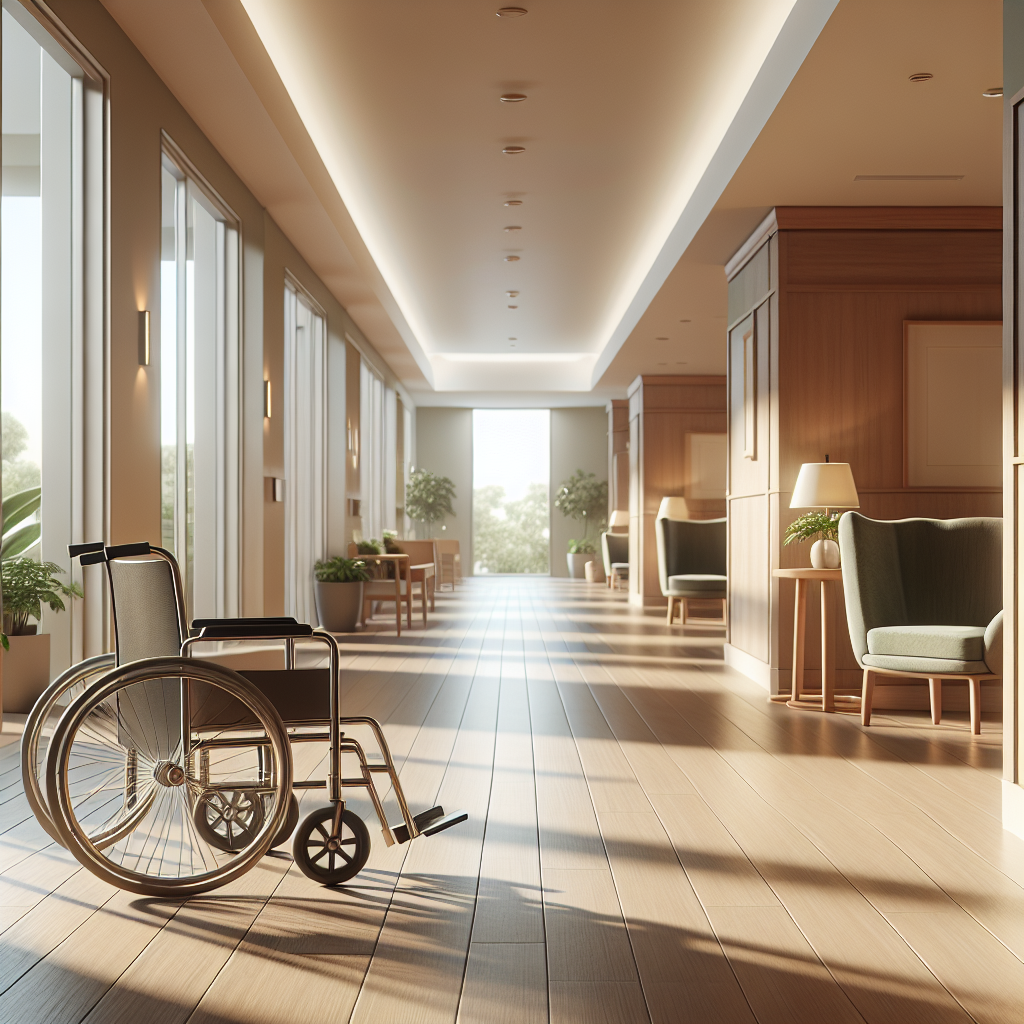
The Best Flooring for Wheelchair Accessibility in Nursing Homes
Choosing the right flooring for nursing homes is crucial, especially when considering the needs of residents who use wheelchairs. The flooring must not only be durable and easy to maintain but also ensure safety and comfort. In this blog post, we’ll explore the best flooring options for wheelchair accessibility in nursing homes, focusing on functionality, aesthetics, and safety. Let’s dive in! 🚀
Why Flooring Choice Matters in Nursing Homes
The environment in nursing homes plays a significant role in the well-being of residents. The right flooring can enhance mobility, reduce the risk of falls, and make daily activities more manageable for both residents and caregivers. With a growing focus on creating inclusive spaces, selecting the optimal flooring for wheelchair users is more important than ever.
Top Flooring Options for Wheelchair Accessibility
1. Vinyl Flooring
Vinyl flooring is a popular choice in nursing homes due to its versatility and durability. It offers a smooth surface, reducing rolling resistance for wheelchairs, and is available in a wide range of designs and colors. Moreover, vinyl is water-resistant, making it easy to clean and maintain—essential qualities in a busy nursing home environment.
2. Rubber Flooring
Rubber flooring provides excellent traction, significantly minimizing the risk of slips and falls. Its cushioned surface offers comfort for wheelchair users and can reduce fatigue for both residents and staff who spend long hours on their feet. Additionally, rubber flooring is known for its sound-absorbing properties, fostering a quieter and more serene atmosphere in bustling common areas. 🎶
3. Low-Pile Carpet
While traditional carpeting can be challenging for wheelchairs, low-pile carpet is a compromise that offers the warmth and comfort of carpet without the resistance. It provides a softer surface that’s gentle on falls without hindering the movement of wheelchairs. Plus, low-pile carpet often comes in various colors and patterns, allowing for design flexibility that can brighten up living spaces.
4. Laminate Flooring
Laminate flooring is another excellent option, offering the appearance of natural wood or stone without the associated costs. It’s durable and easy to clean, making it practical for high-traffic areas. The smooth surface of laminate flooring allows for seamless wheelchair movement, ensuring residents can navigate their environment comfortably and confidently. 😊
Factors to Consider When Choosing Flooring
Durability and Maintenance
In a nursing home setting, flooring must withstand constant use while remaining easy to clean. Consider options that offer longevity and resist wear and tear, ensuring they maintain their aesthetic appeal over time.
Safety Features
Safety is paramount. The flooring should provide adequate slip resistance, especially in areas prone to spills, such as dining rooms and bathrooms. Additionally, transitions between different flooring materials should be smooth to prevent tripping hazards.
Comfort and Aesthetics
While functionality is essential, the comfort and visual appeal of the flooring shouldn’t be overlooked. The right flooring can create a warm, welcoming environment that promotes a sense of home and comfort for residents. Consider colors and textures that contribute to a soothing atmosphere. 🏡
Conclusion
In summary, selecting the best flooring for wheelchair accessibility in nursing homes involves balancing durability, safety, and aesthetics. Vinyl, rubber, low-pile carpet, and laminate are all excellent options that cater to the specific needs of wheelchair users while enhancing the overall environment. By choosing the right flooring, nursing homes can create a supportive, comfortable, and inclusive space for all residents.
Ultimately, the goal is to ensure that the floors in nursing homes are a solid foundation for a caring community, where every resident feels safe, comfortable, and valued. With thoughtful consideration, this goal is entirely achievable. 🌟
Call Us Now!