 Skip to content
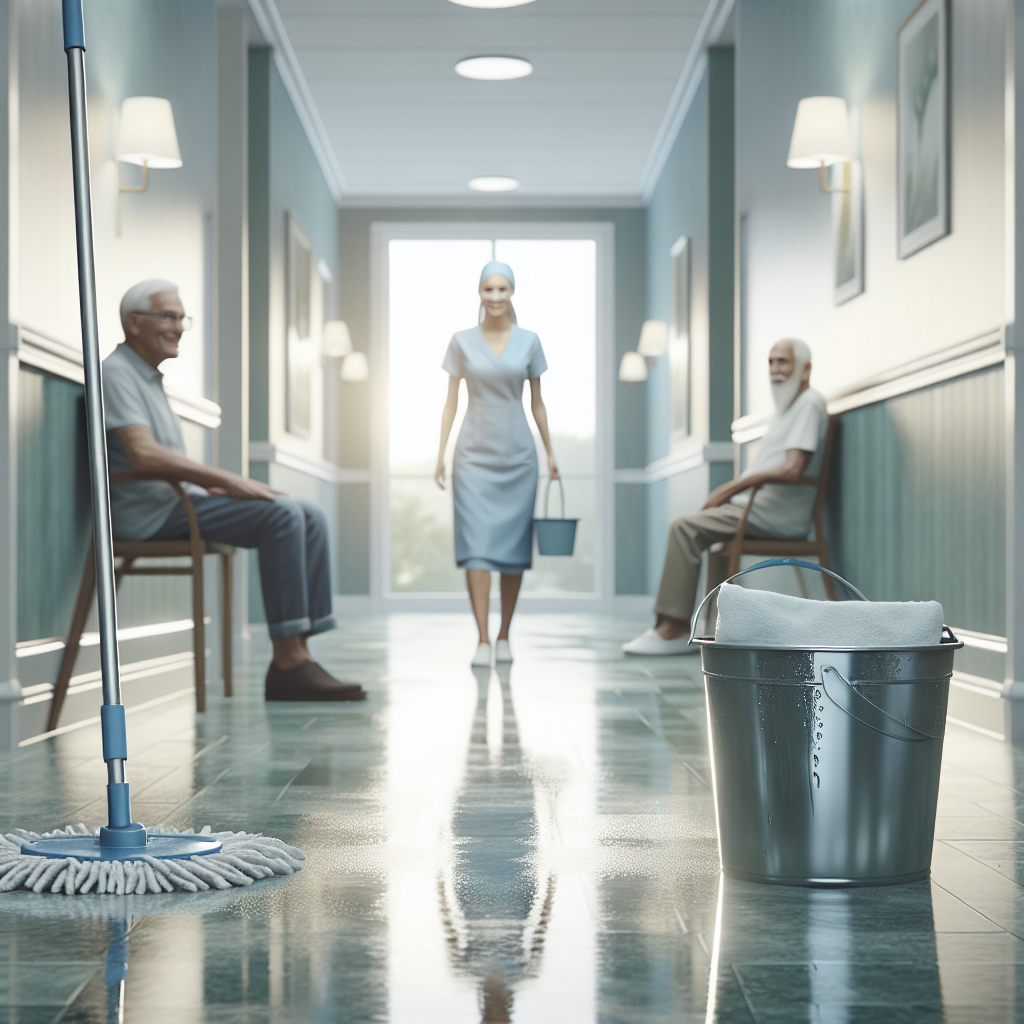
How to Maintain Clean and Hygienic Floors in Nursing Homes
Maintaining clean and hygienic floors in nursing homes is not just about aesthetics; it’s crucial for the health and safety of the residents. Nursing homes serve as a safe haven for the elderly, and ensuring a clean environment is paramount in preventing the spread of infections and providing a comfortable living space. In this blog post, we’ll explore effective strategies for keeping nursing home floors spotless and germ-free. 🧹✨
Understanding the Importance of Clean Floors in Nursing Homes
Before diving into the how-tos, let’s understand why clean floors are so vital in nursing homes. Floors in these facilities endure heavy foot traffic, and this constant use can lead to the accumulation of dirt, germs, and allergens. For elderly residents, who may have compromised immune systems, this can pose serious health risks. Therefore, maintaining clean floors is not just about cleanliness but also about safeguarding residents’ health and enhancing their quality of life.
Choosing the Right Cleaning Products
One of the first steps in maintaining clean floors is selecting the appropriate cleaning products. It’s essential to use non-toxic, eco-friendly products that are safe for both the residents and the environment. Look for disinfectants that are effective against a broad spectrum of bacteria and viruses. Avoid harsh chemicals that can leave residues and potentially cause respiratory issues for residents.
Daily Cleaning Routine
Consistency is key when it comes to floor maintenance. Establishing a daily cleaning routine helps ensure that dirt and germs do not accumulate. This routine should include sweeping and vacuuming to remove loose dirt and debris. For hard floors, mopping with a suitable disinfectant is vital. Pay special attention to high-traffic areas such as hallways, dining rooms, and communal spaces.
Deep Cleaning and Disinfection
While daily cleaning is essential, regular deep cleaning sessions are equally important. Schedule deep cleaning sessions weekly or bi-weekly, depending on the facility’s needs. During these sessions, focus on scrubbing floors with a more intensive cleaning solution and using steam cleaners for thorough disinfection. Deep cleaning helps eliminate stubborn stains and ensures a higher level of hygiene.
Handling Spills and Accidents Promptly
In a nursing home setting, spills and accidents are inevitable. Promptly addressing these incidents is crucial in preventing slips and falls, as well as avoiding unpleasant odors. Train staff to immediately clean up spills using appropriate cleaning agents and to sanitize the affected area to prevent any potential bacterial growth.
Investing in Quality Flooring
Choosing the right flooring material can significantly impact cleanliness and hygiene. Opt for flooring that is easy to clean and maintain, such as vinyl or laminate. These materials are durable, resistant to moisture, and can withstand frequent cleaning. Carpeted areas should be minimized, as they can harbor dust and allergens.
Implementing a No-Shoes Policy
One simple yet effective strategy is to implement a no-shoes policy within the facility. This can greatly reduce the amount of outdoor dirt and germs brought into the nursing home. Encourage the use of indoor slippers or shoe covers for staff and visitors to maintain a cleaner environment.
Training and Educating Staff
The role of the staff is crucial in maintaining clean floors. Ensure that all staff members are trained in proper cleaning techniques and understand the importance of maintaining hygiene standards. Regular training sessions and workshops can keep the staff updated on the best practices and new cleaning technologies.
Utilizing Technological Advancements
Technology has revolutionized cleaning processes, making them more efficient and effective. Consider investing in automated cleaning equipment, such as robotic vacuums or floor scrubbers. These devices can handle routine cleaning tasks with minimal supervision, allowing staff to focus on other essential duties.
Monitoring and Evaluation
Regularly assess the effectiveness of your cleaning protocols. Conduct routine inspections to ensure that standards are being met and make adjustments as needed. Encourage feedback from staff and residents to identify areas for improvement and to ensure that the cleaning practices remain effective and efficient.
Conclusion
Maintaining clean and hygienic floors in nursing homes is a multifaceted task that requires diligence, proper planning, and the right resources. By prioritizing cleanliness, you not only protect the health of the residents but also create a welcoming and pleasant environment that enhances their overall well-being. Remember, a clean floor is the foundation of a healthy home. Let’s strive to keep it that way! 🏡❤️
Call Us Now!