 Skip to content
The Impact of Flooring on Resident Mobility in Senior Communities
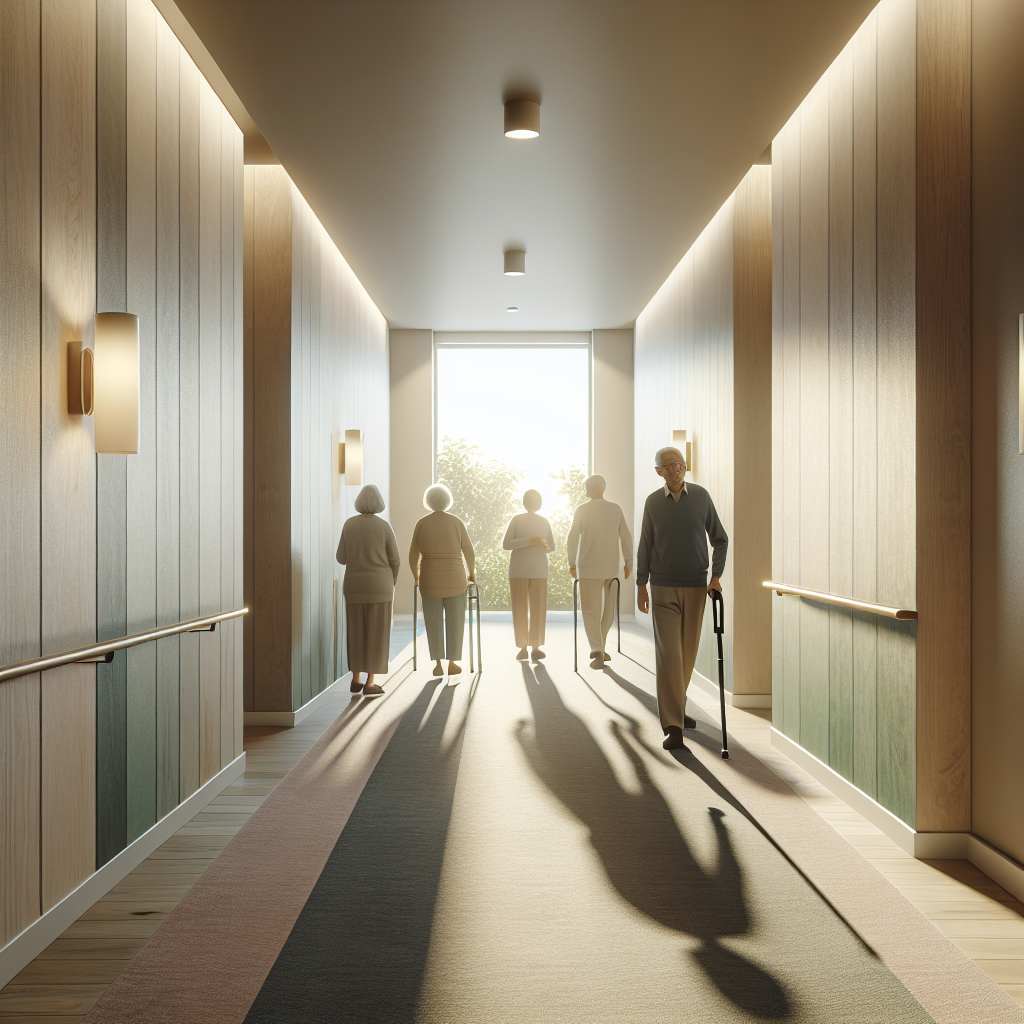
When it comes to designing senior communities, every detail matters, especially the flooring. The right flooring choice can significantly enhance resident mobility and safety, while the wrong one can lead to increased risks of falls and discomfort. In this blog post, we’ll explore how different flooring options impact the mobility of seniors, offering insights into making the most informed decisions for these crucial spaces. 🏡
Understanding the Needs of Seniors
As we age, our physical abilities change. Seniors often face challenges such as reduced balance, decreased muscle strength, and joint issues. These factors necessitate a supportive environment that facilitates safe and easy movement. Flooring plays a pivotal role in creating such an environment, where the primary focus should be on minimizing hazards and promoting ease of movement.

Key Flooring Considerations
When selecting flooring for senior communities, several key considerations should guide the decision-making process:
Slip Resistance
Slip resistance is arguably the most critical factor in flooring for senior communities. Falls are a leading cause of injury among seniors, with slippery floors being a common culprit. Opting for non-slip flooring materials, such as textured vinyl or rubber, can help prevent accidents and promote confidence in mobility.
Cushioning and Comfort
Comfort is another essential consideration. Floors with some level of cushioning, such as cork or rubber, can reduce joint strain and provide a more comfortable walking experience. These materials absorb shock, which is beneficial for seniors with arthritis or other joint issues.
Ease of Maintenance
Low-maintenance flooring is ideal in senior communities, where cleanliness and hygiene are paramount. Materials like linoleum and vinyl are not only easy to clean but also resistant to stains and moisture, making them practical choices for high-traffic areas.
Acoustic Properties
The acoustic properties of flooring can affect the overall environment of a senior community. Carpet, for example, can reduce noise levels, creating a quieter and more peaceful atmosphere. However, it also poses the risk of tripping and may not be the best choice for areas with wheeled traffic, like wheelchairs or walkers.
Popular Flooring Options in Senior Communities
Let’s delve into some popular flooring options commonly used in senior communities, evaluating their pros and cons in terms of mobility and safety.
Vinyl Flooring
Vinyl flooring is a popular choice due to its durability, slip resistance, and ease of maintenance. It is available in various textures and finishes, which can mimic the look of wood or stone while providing a safer surface for walking. Vinyl is also water-resistant, making it suitable for areas like kitchens and bathrooms.
Cork Flooring
Cork is an eco-friendly option that offers excellent cushioning and sound absorption. Its soft surface is gentle on the joints, making it a comfortable choice for seniors. However, cork can be susceptible to moisture damage, so it requires proper sealing and maintenance.
Rubber Flooring
Rubber flooring is highly durable and provides excellent slip resistance, even when wet. Its cushioned surface reduces the impact on joints, making it ideal for exercise rooms or communal areas where seniors engage in physical activities. However, it can be more expensive than other options.
Carpet Tiles
While wall-to-wall carpet may not be the best choice, carpet tiles offer a versatile solution. They provide warmth and comfort underfoot and can be easily replaced if damaged. Choosing low-pile, tightly woven carpet tiles can mitigate the risk of tripping and facilitate wheelchair movement.
Innovative Solutions and Future Trends
Innovation in flooring technology continues to evolve, offering new solutions that enhance safety and mobility for seniors. Some emerging trends include:
Smart Flooring
Smart flooring integrates sensors that detect falls and alert caregivers, providing an additional layer of safety. These systems can be particularly beneficial in senior communities, where prompt assistance is crucial.
Anti-Microbial Flooring
With heightened awareness of hygiene, anti-microbial flooring is gaining popularity. These surfaces inhibit the growth of bacteria and fungi, contributing to a healthier living environment for residents.
Conclusion
Choosing the right flooring for senior communities is a decision that requires careful consideration of safety, comfort, and practicality. By prioritizing slip resistance, cushioning, and ease of maintenance, community planners can create environments that enhance mobility and quality of life for seniors. As technology advances, we can look forward to even more innovative solutions that ensure our loved ones move safely and comfortably in their living spaces. 🌟
Ultimately, the goal is to create an environment where seniors feel safe, supported, and empowered to maintain their independence and enjoy a high quality of life. Whether you are a caregiver, a family member, or a community planner, understanding the impact of flooring on mobility is an essential step in achieving this goal.
Call Us Now!