 Skip to content
Why Flooring Maintenance Matters in Nursing Homes
Proper flooring maintenance is of utmost importance in nursing homes for several reasons. Firstly, it contributes to the overall cleanliness and hygiene of the facility, reducing the risk of infections and diseases. Secondly, well-maintained floors enhance the aesthetic appeal of the nursing home, creating a positive and welcoming environment for residents, staff, and visitors. Lastly, ensuring the safety of residents is paramount, and properly maintained floors help prevent accidents such as slips and falls.
Assessing the Condition of the Flooring
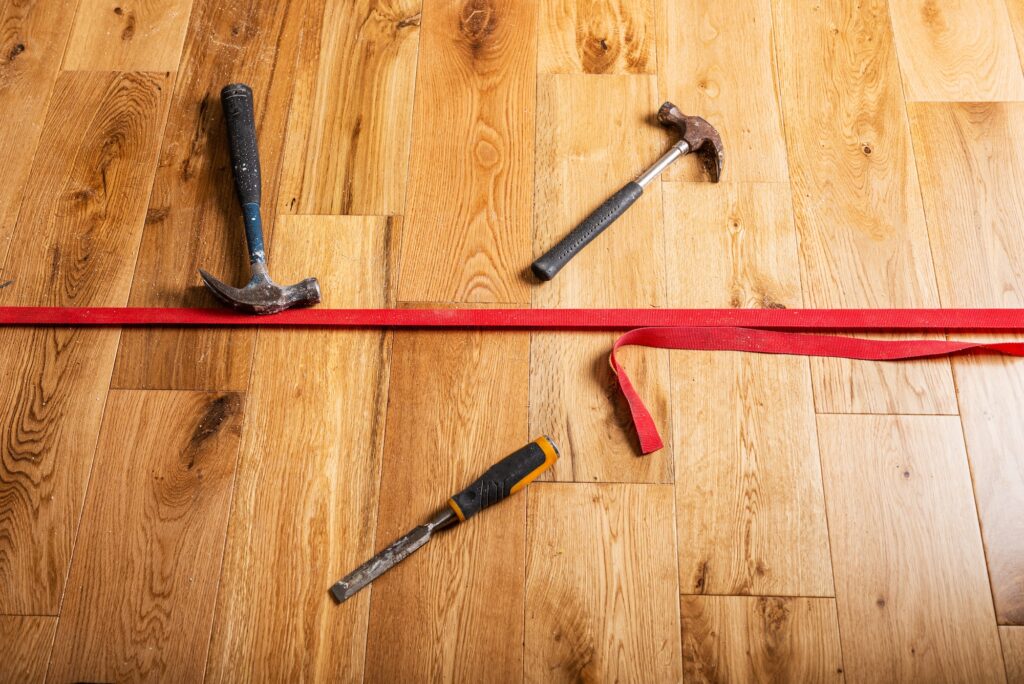
Before implementing any maintenance strategies, it’s crucial to assess the condition of the flooring in the nursing home. This assessment helps identify areas that require immediate attention and prioritize maintenance tasks accordingly. Look for signs of wear and tear, such as cracks, loose tiles, or worn-out areas. By understanding the current state of the flooring, nursing homes can plan and budget for maintenance effectively.
Regular Cleaning and Maintenance Practices
Regular cleaning and maintenance practices play a significant role in preserving the longevity of nursing home floors. Sweeping and mopping the floors daily removes dirt, dust, and debris, preventing them from causing scratches or damage. It’s important to use appropriate cleaning products suitable for the specific flooring material to avoid any potential harm. Additionally, developing a maintenance schedule for tasks like polishing, buffing, and waxing can further protect the floors and maintain their appearance.
Effective Use of Floor Mats and Rugs
Floor mats and rugs are essential elements in nursing homes as they help protect the flooring from excessive wear and tear. Placing entrance mats at the main entrances prevents dirt and moisture from being tracked indoors. Similarly, strategically placing rugs in high-traffic areas and near residents’ beds can minimize the impact on the floor. Regular cleaning and replacing of floor mats and rugs are necessary to maintain their functionality and ensure they continue to protect the flooring effectively.
Implementing Preventive Measures
Prevention is always better than cure when it comes to flooring maintenance. Implementing preventive measures can significantly reduce the need for extensive repairs and replacements. For instance, using furniture pads under chairs and tables prevents scratches and dents. Installing proper signage and barriers around wet areas alerts residents and staff to potential hazards, reducing the likelihood of slips and falls. By being proactive and addressing potential issues promptly, nursing homes can save on long-term maintenance costs.
Choosing Durable and Cost-Effective Flooring Materials
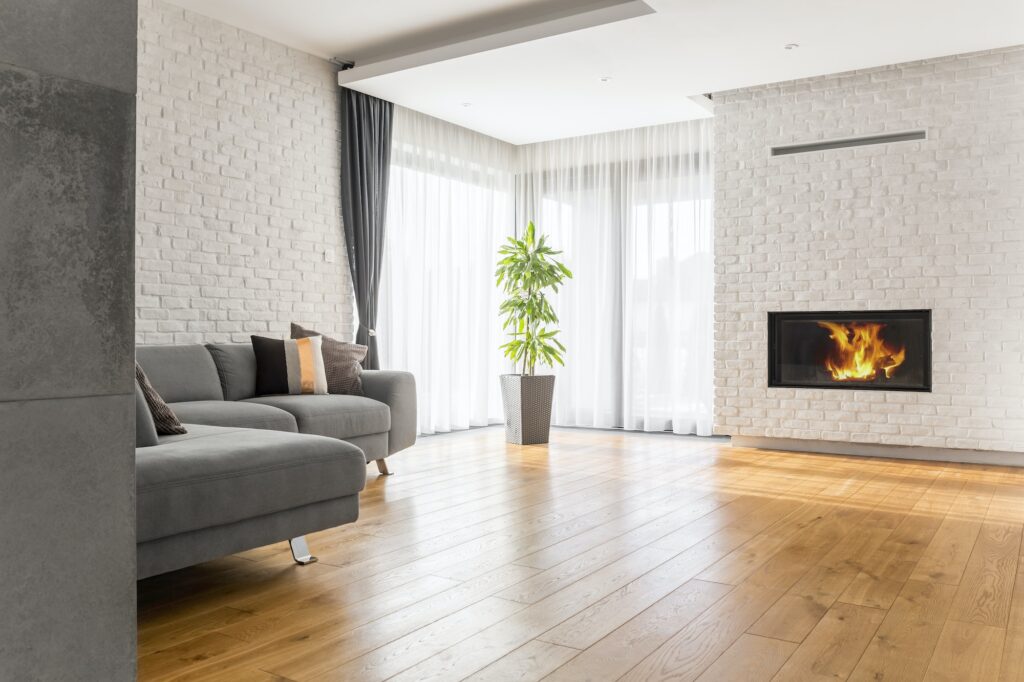
When selecting flooring materials for nursing homes, it’s crucial to choose options that are both durable and cost-effective. Vinyl and laminate flooring are popular choices due to their affordability, easy maintenance, and durability. These materials can withstand heavy foot traffic, resist stains, and require minimal upkeep. Additionally, carpet tiles offer versatility, as individual tiles can be replaced if damaged, avoiding the need for complete carpet replacement. Considering the long-term costs and benefits of different flooring options is essential for nursing homes with limited budgets.
Proper Handling of Spills and Stains
Spills and stains are common occurrences in nursing homes and can potentially damage the flooring if not addressed promptly. Staff should be trained to respond quickly to spills, using appropriate cleaning methods and products. It’s important to avoid using harsh chemicals that may cause discoloration or damage to the flooring material. Regular inspections and immediate treatment of stains can help maintain the flooring’s appearance and integrity.
Regular Floor Inspections and Repairs
Regular inspections of the flooring are essential to identify and address issues before they worsen. Staff should be trained to identify signs of damage, such as cracks, chipped tiles, or loose floorboards. Prompt repairs and replacements can prevent further deterioration and ensure the safety of residents and staff. Engaging a professional flooring inspector periodically can provide an unbiased assessment and help nursing homes prioritize maintenance tasks effectively.
Professional Floor Maintenance Services
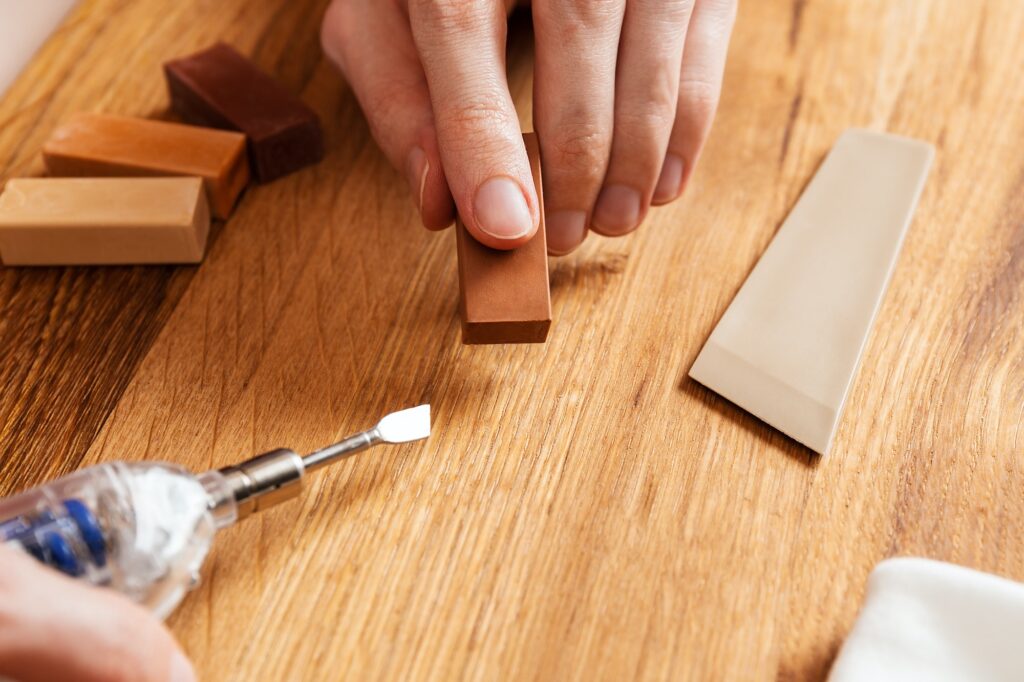
While nursing homes aim to be budget-friendly, there are instances where professional floor maintenance services become necessary. Engaging professional services can be cost-effective in the long run, as they possess the expertise and equipment to handle specialized floor treatments and repairs. By outsourcing specific tasks, nursing homes can ensure that their flooring receives the professional care it requires, extending its lifespan and minimizing the need for extensive replacements.
Engaging Staff in Floor Care
Involving nursing home staff in floor care activities fosters a sense of ownership and responsibility. By training staff members on proper cleaning techniques, they can contribute to the overall maintenance efforts. Staff should be educated on the appropriate use of cleaning products, equipment, and safety protocols. This engagement not only reduces the workload but also ensures that flooring maintenance becomes an integral part of the nursing home’s daily operations.
The Importance of Proper Training
Proper training is essential for nursing home staff to effectively maintain the flooring. Staff members should be educated about the various flooring materials, their specific cleaning requirements, and maintenance techniques. Training should cover topics such as identifying signs of damage, responding to spills, and conducting routine inspections. By empowering staff with knowledge and skills, nursing homes can enhance the overall maintenance practices and reduce costs associated with outsourcing.
FAQs
FAQ 1: What are the common flooring materials used in nursing homes?
Common flooring materials used in nursing homes include vinyl, laminate, carpet tiles, and linoleum. These materials are durable, cost-effective, and easy to maintain.
FAQ 2: How often should floor mats and rugs be cleaned or replaced?
Floor mats and rugs should be cleaned regularly, ideally on a weekly basis, to remove dirt and debris. Depending on their condition, they may need replacement every 1-2 years.
FAQ 3: Can nursing home staff be trained to handle basic floor repairs?
Yes, nursing home staff can be trained to handle basic floor repairs such as replacing damaged tiles or addressing minor cracks. However, more extensive repairs should be handled by professionals.
FAQ 4: Are there any specific safety guidelines for floor maintenance in nursing homes?
Yes, there are specific safety guidelines for floor maintenance in nursing homes. These include proper signage, barriers around wet areas, and prompt response to spills or hazards.
FAQ 5: How can nursing homes reduce flooring maintenance costs without compromising quality?
Nursing homes can reduce flooring maintenance costs by implementing preventive measures, training staff in proper maintenance techniques, and engaging professional services when necessary. Choosing cost-effective flooring materials and handling spills promptly also contribute to cost reduction.